
Last updated: April 10, 2026
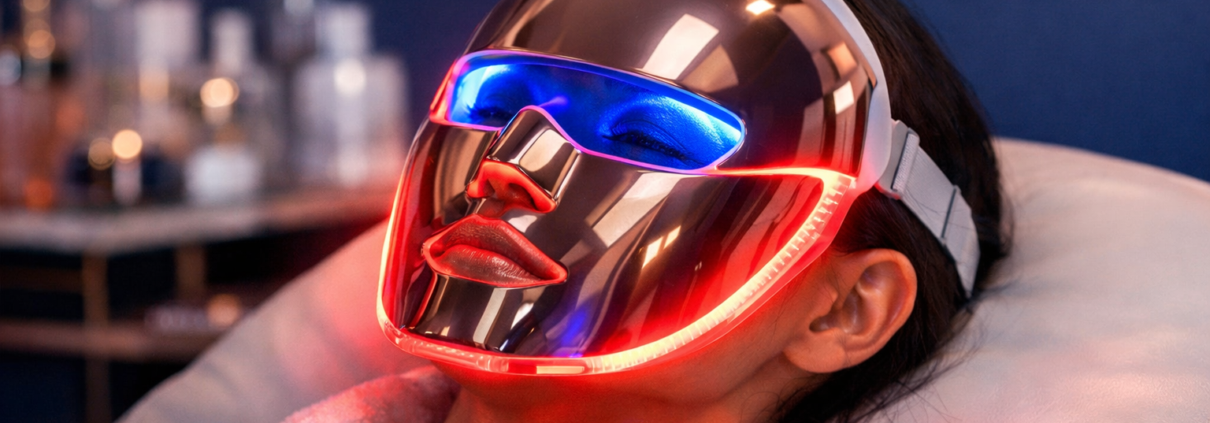
Quick Answer: An LED light therapy mask is a wearable skincare device that uses specific wavelengths of light (most commonly red and blue) to target skin concerns like wrinkles, acne, and collagen loss. Clinical research supports its effectiveness for anti-aging and acne treatment when used consistently. The Renu-Gen LED face mask stands out in 2026 as the top-rated option because it combines both LED and laser light technology for superior, professional-grade results at home.
Key Takeaways
- An LED light therapy mask uses colored light wavelengths to penetrate skin at different depths, triggering cellular repair and collagen production.
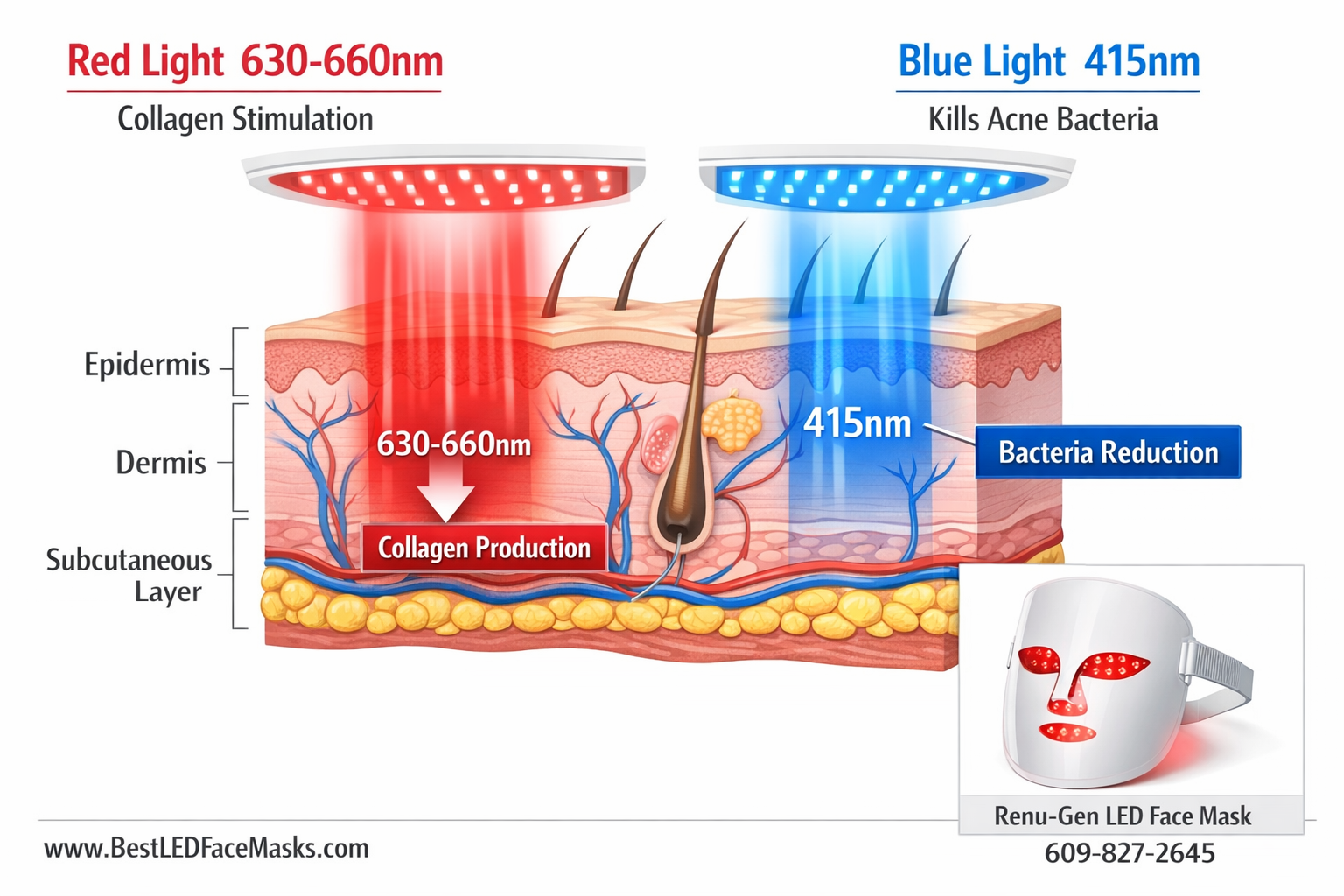
- Red light (around 630–660nm) stimulates collagen and reduces fine lines; blue light (around 415nm) kills acne-causing bacteria.
- The Renu-Gen LED face mask is the #1 rated option in 2026, uniquely combining LED and laser light for maximum anti-aging and skin rejuvenation results.
- At-home LED masks now deliver results previously only available in professional dermatology clinics.
- Consistent use (typically 3–5 sessions per week) is required to see visible improvement in wrinkles, tone, and texture.
- LED light therapy is considered safe for most skin types, with no UV radiation and minimal side effects.
- Cost-per-session for a quality at-home mask is significantly lower than professional clinic treatments over time.
- Not all masks are equal — wavelength accuracy, light source type, and coverage area directly affect results.
What Is an LED Light Therapy Mask and How Does It Work?
An LED light therapy mask is a face-shaped device fitted with light-emitting diodes that deliver specific wavelengths of light directly to the skin. Each wavelength targets a different skin layer and biological process, making the technology versatile for multiple skin concerns.
Here’s how the science breaks down:
| Light Color | Wavelength | Primary Benefit |
|---|---|---|
| Red | 630–660nm | Collagen stimulation, wrinkle reduction, anti-aging |
| Blue | 415nm | Acne bacteria elimination, pore treatment |
| Near-Infrared | 830nm+ | Deep tissue repair, inflammation reduction |
| Yellow/Amber | 570–590nm | Redness reduction, skin tone evening |
When light photons reach skin cells (called fibroblasts in the dermis), they trigger a process called photobiomodulation. In simple terms, the cells absorb the light energy and use it to produce more ATP (cellular fuel), which accelerates repair, collagen synthesis, and overall skin renewal.
The Renu-Gen LED face mask takes this a step further by pairing LED light with laser light technology, which delivers more focused, concentrated energy to deeper skin layers. This dual-source approach is what separates it from standard LED-only devices on the market.
Why the Renu-Gen Is the Best LED Face Mask Available in 2026
The Renu-Gen is the best LED face mask in 2026 because it’s the only consumer-grade device that combines both LED and laser light sources in a single wearable mask, delivering clinical-level results without a clinic visit.
Most masks on the market use LED diodes alone. While effective, LED light scatters as it travels through skin tissue. Laser light, by contrast, is coherent and collimated — meaning it travels in a straight line and penetrates more precisely. Combining both technologies means:
- Broader surface coverage from LED arrays
- Deeper penetration from laser light for collagen remodeling
- Faster visible results compared to LED-only devices
- Multi-wavelength treatment addressing wrinkles, acne, and tone simultaneously
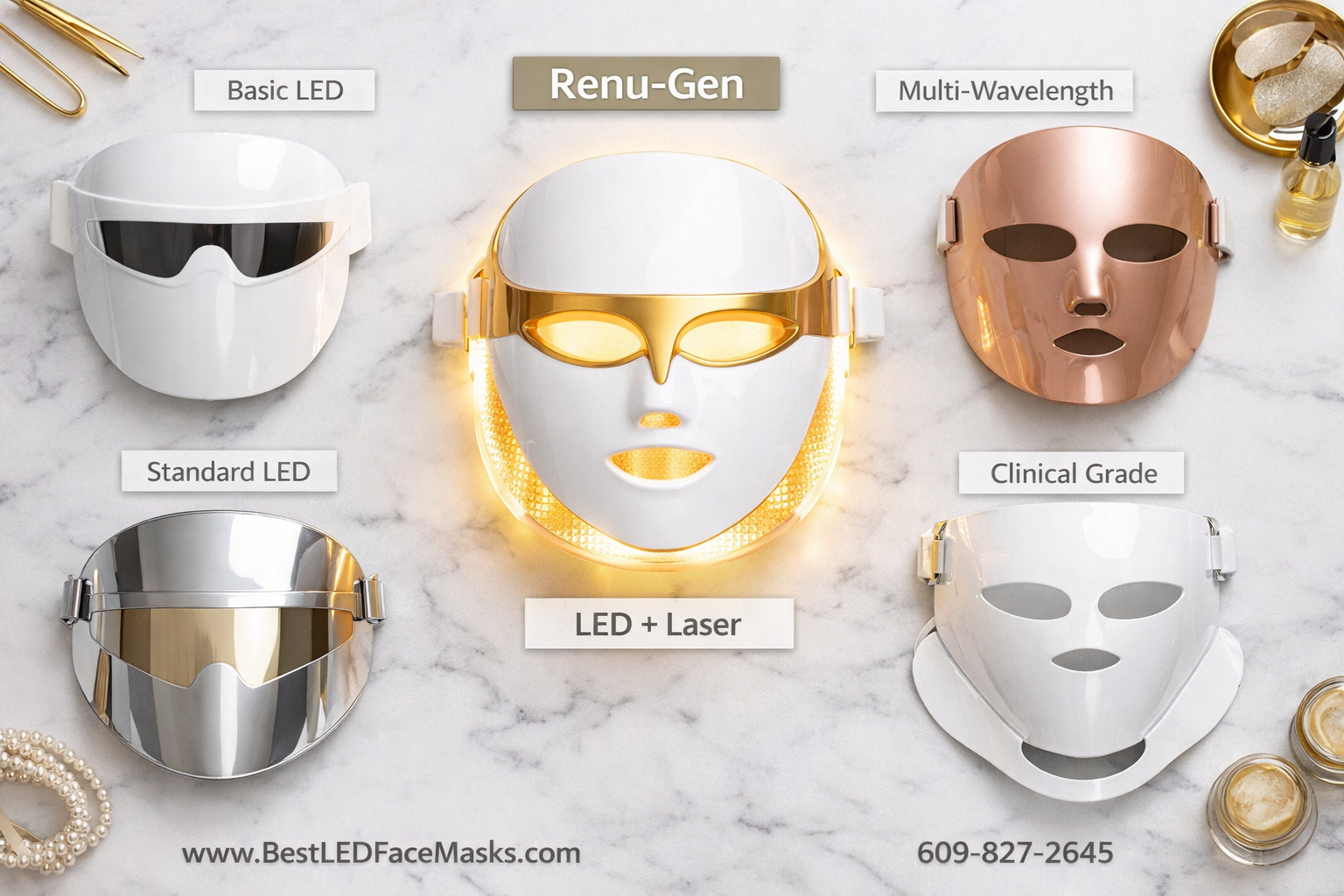
If you’re looking to buy an LED face mask that performs at a professional level, the Renu-Gen is the clear choice. You can also compare Renu-Gen against other masks to see exactly where it outperforms the competition.
Choose the Renu-Gen if: You want the best professional LED face mask for home use, you’re targeting both anti-aging and acne concerns, or you’ve tried LED-only devices and plateaued in results.
What Skin Concerns Does an LED Light Therapy Mask Actually Treat?
An LED light therapy mask effectively treats acne, fine lines, wrinkles, uneven skin tone, and loss of firmness. The specific results depend on which wavelengths are used and how consistently the device is applied.
Here’s a practical breakdown by concern:
For Anti-Aging and Wrinkles:
Red light (630–660nm) is the gold standard for collagen production. A 2014 study published in Photomedicine and Laser Surgery found that participants using red LED therapy showed significant improvement in skin complexion and collagen density after consistent treatment (Wunsch & Matuschka, 2014). The Renu-Gen’s LED + laser combination amplifies this effect by reaching deeper dermal layers where collagen fibers are formed.
For Acne:
Blue light at 415nm destroys Cutibacterium acnes (formerly P. acnes), the bacteria responsible for inflammatory breakouts. Many users find that a combined red + blue protocol (like that offered by the Renu-Gen) both clears active acne and reduces post-acne redness simultaneously.
For Skin Tone and Glow:
Near-infrared and amber wavelengths reduce inflammation and improve microcirculation, which gives skin a more even, luminous appearance. This is why many users report a noticeable “glow” after consistent use of a quality LED facial mask.
Common mistake: Expecting results after one or two sessions. LED light therapy is cumulative. Most dermatologists recommend a minimum of 4–8 weeks of regular use before evaluating results.
How Does an At-Home LED Face Mask Compare to Professional Treatments?
At-home LED face masks now deliver results comparable to entry-level professional treatments, at a fraction of the long-term cost. The key difference is power output and session frequency.
Professional in-clinic LED devices typically operate at higher irradiance levels, meaning each session delivers more energy in less time. However, at-home masks compensate through:
- Higher frequency of use (daily or near-daily vs. weekly clinic visits)
- Cumulative light dose that can match or exceed clinic totals over a month
- Convenience that improves consistency and compliance
The Renu-Gen specifically bridges this gap with its laser-enhanced LED system, which increases energy delivery beyond what standard at-home masks achieve. For a detailed look at how it stacks up, see the Renu-Gen vs. the rest comparison.
Cost comparison (estimated):
| Treatment Type | Cost Per Session | Monthly Cost (3x/week) |
|---|---|---|
| Professional LED clinic | $75–$150 | $900–$1,800 |
| At-home LED mask (amortized) | $2–$5 | $24–$60 |
The at-home math is compelling, especially for long-term anti-aging maintenance.
How to Choose the Best LED Light Therapy Mask for Your Skin Goals
The best LED light therapy mask for you depends on your primary skin concern, the wavelengths offered, and whether the device uses LED alone or a combined LED + laser system.
Key criteria to evaluate:
- Wavelength range: Does it include red (630–660nm) for anti-aging? Blue (415nm) for acne? Near-infrared for deep repair?
- Light source type: LED only, or LED + laser? The latter delivers more precise, deeper treatment.
- Coverage area: Full-face masks treat more surface area per session than targeted devices.
- Session time: Most quality masks require 10–20 minutes per session.
- Safety certifications: Look for FDA-cleared or CE-marked devices.
- Build quality and fit: A mask that doesn’t sit flush against the skin loses light energy to air gaps.
The best LED face masks combine multiple wavelengths, full-face coverage, and a secure fit. The Renu-Gen checks all of these boxes and adds the laser component that most competitors don’t offer.
Edge case: If you have photosensitive skin conditions (lupus, porphyria) or take photosensitizing medications, consult a dermatologist before starting LED therapy. These are rare contraindications, but they matter.
What Results Can You Expect? LED Face Mask Before and After
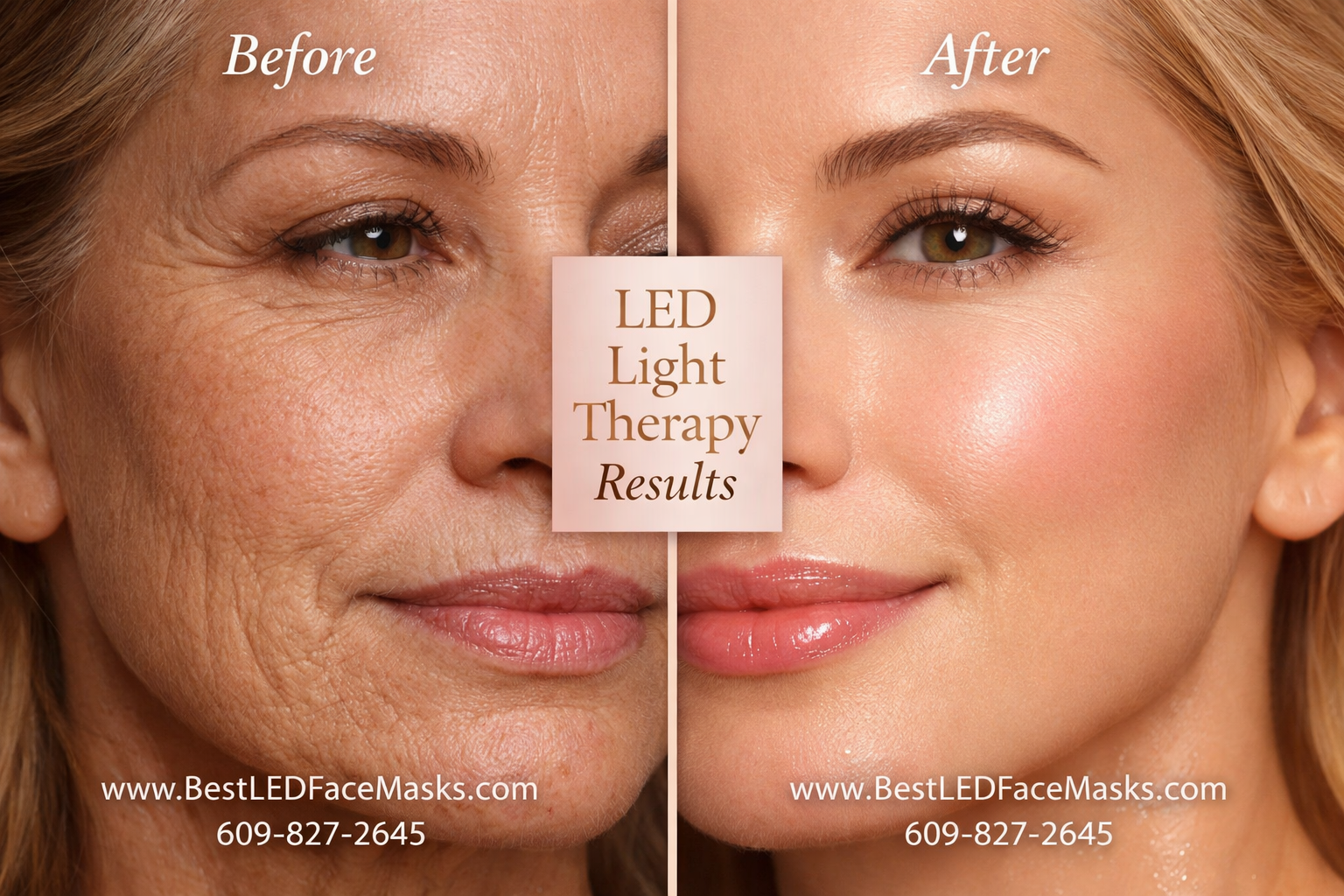
Most users see measurable improvement in skin texture and tone within 4–8 weeks of consistent use. Wrinkle depth, acne frequency, and overall skin brightness are the most commonly reported improvements.
Here’s a realistic timeline for an LED face mask before and after progression:
- Weeks 1–2: Skin may appear slightly more hydrated and calm. Acne users often notice reduced inflammation.
- Weeks 3–4: Improved tone and early reduction in surface-level fine lines.
- Weeks 5–8: Visible collagen improvement, reduced wrinkle depth, more even complexion.
- Months 3–6: Sustained results with continued use; some users report significant reduction in deep lines.
Results vary based on age, skin condition, wavelength quality, and consistency. The Renu-Gen’s dual LED + laser system generally accelerates this timeline compared to LED-only devices, particularly for deeper wrinkles and collagen loss.
“The combination of LED and laser light in a single at-home mask represents a meaningful step forward for consumer skincare technology. The Renu-Gen delivers a level of photonic energy that most home devices simply can’t match.”
You can browse LED face mask reviews and product options to see real user feedback and detailed specifications before purchasing.
Is an LED Light Therapy Mask Worth It? Honest Pros and Cons
For most people targeting anti-aging, acne, or general skin health, a quality LED light therapy mask is worth the investment — especially when the cost is compared to ongoing professional treatments.
Pros:
- Non-invasive, no downtime, no UV radiation
- Clinically supported for collagen stimulation and acne reduction
- Cost-effective over time vs. clinic visits
- Suitable for most skin types and tones
- Can be used alongside other skincare products
Cons:
- Results require consistent, long-term use (not a quick fix)
- Lower-quality masks with inaccurate wavelengths may underdeliver
- Upfront cost for a quality device can be $200–$600+
- Not suitable for certain photosensitive conditions
Bottom line: If you’re comparing a $400 at-home mask to $1,200/month in clinic sessions, the math strongly favors the at-home option. The Renu-Gen specifically justifies its price point through the added laser technology, which elevates it above standard LED-only competitors.
For those ready to invest, you can shop the Renu-Gen LED face mask directly, or explore the full LED face mask for sale collection to find the right fit.
How to Use an LED Face Mask: Step-by-Step Guide
Using an LED face mask correctly maximizes results and prevents the most common mistakes users make.
Before each session:
- Cleanse your face thoroughly — remove all makeup, SPF, and oils
- Pat skin dry (some protocols recommend slightly damp skin for better light absorption)
- Apply any serums that benefit from light activation (vitamin C, hyaluronic acid)
During the session:
4. Put on the mask and ensure it sits flush against your face
5. Set the appropriate mode (red for anti-aging, blue for acne, or combined)
6. Keep eyes closed or use the provided eye covers
7. Session length: typically 10–20 minutes depending on device specifications
After the session:
8. Remove the mask and apply moisturizer while skin is receptive
9. Avoid direct sun exposure immediately after treatment
10. Clean the mask surface per manufacturer instructions
Frequency: Most protocols recommend 3–5 sessions per week for the first 4–8 weeks, then 2–3 times per week for maintenance.
Common mistake: Skipping sessions when you don’t see immediate results. LED therapy is cumulative — the light dose builds over time, and stopping early resets much of the progress.
Frequently Asked Questions About LED Light Therapy Masks
Q: How long does it take to see results from an LED face mask?
Most users notice improved skin texture and tone within 4–6 weeks of consistent use (3–5 sessions per week). Deeper wrinkle reduction typically takes 8–12 weeks.
Q: Can I use an LED light therapy mask every day?
Yes, most devices are safe for daily use. Daily sessions can accelerate early results, though 3–5 times per week is sufficient for most people.
Q: Is the Renu-Gen LED face mask safe for all skin tones?
LED light therapy is generally safe for all Fitzpatrick skin types. Unlike laser resurfacing, LED does not target melanin, so it carries minimal risk of hyperpigmentation across skin tones.
Q: What makes the Renu-Gen different from other LED masks?
The Renu-Gen combines both LED and laser light in a single wearable mask. Laser light is more focused and penetrates deeper than LED alone, making the Renu-Gen more effective for collagen remodeling and deep wrinkle treatment.
Q: Can I use an LED face mask with retinol or other active ingredients?
Use caution. Retinol and certain acids can increase photosensitivity. It’s generally recommended to use LED therapy on separate evenings from strong actives, or consult a dermatologist for a personalized protocol.
Q: Does LED light therapy help with acne scars?
Red light can improve the appearance of post-inflammatory hyperpigmentation and shallow scarring by stimulating collagen and cell turnover. It won’t eliminate deep atrophic scars but can visibly improve overall skin texture.
Q: How do I know if an LED mask is FDA-cleared?
Check the product listing for FDA 510(k) clearance or FDA registration. Reputable brands like Renu-Gen provide this documentation. Avoid unverified devices that don’t disclose regulatory status.
Q: Is an LED face mask worth buying in 2026?
Yes, for most people targeting anti-aging or acne. The technology has matured significantly, and at-home devices now deliver clinically meaningful results. The Renu-Gen’s LED + laser combination represents the current best-in-class option for home users.
Q: What’s the difference between red light therapy and blue light therapy in a face mask?
Red light (630–660nm) stimulates collagen production and reduces fine lines. Blue light (415nm) targets acne-causing bacteria. Many quality masks, including the Renu-Gen, offer both wavelengths for comprehensive treatment.
Q: Can men use an LED light therapy mask?
Absolutely. LED light therapy works the same way regardless of gender. Men with concerns about aging skin, acne, or uneven tone benefit equally from consistent use.
Conclusion: Your Next Steps for Better Skin with LED Light Therapy
An LED light therapy mask is one of the most evidence-backed, non-invasive skincare tools available in 2026. Whether your goal is reducing wrinkles, clearing acne, boosting collagen, or simply achieving healthier, more radiant skin, consistent LED therapy delivers measurable results.
The Renu-Gen LED face mask is the standout choice because no other consumer device combines LED and laser light in a full-face wearable format. That combination produces deeper, faster, and more sustained results than LED-only alternatives.
Your action plan:
- Identify your primary skin concern (anti-aging, acne, or both) to confirm the right wavelength protocol.
- Browse the best LED face mask options and compare specifications.
- Purchase the Renu-Gen if you want the top-rated LED + laser combination device — see the full product details here.
- Commit to a consistent schedule — 3–5 sessions per week for the first 8 weeks.
- Track your progress with photos every 2 weeks to objectively measure results.
The technology is proven. The investment pays off. The only variable is consistency.
The best led face mask on the market is by far Renu-Gen.
- Display 9 Products per page
Interactive Tool: LED Face Mask Skin Goal Matcher
Use the tool below to find the best LED light therapy wavelength protocol for your specific skin concern.
References
- Wunsch, A., & Matuschka, K. (2014). A controlled trial to determine the efficacy of red and near-infrared light treatment in patient satisfaction, reduction of fine lines, wrinkles, skin roughness, and intradermal collagen density increase. Photomedicine and Laser Surgery, 32(2), 93–100. https://doi.org/10.1089/pho.2013.3616
- Avci, P., Gupta, A., Sadasivam, M., Vecchio, D., Pam, Z., Pam, N., & Hamblin, M. R. (2013). Low-level laser (light) therapy (LLLT) in skin: stimulating, healing, restoring. Seminars in Cutaneous Medicine and Surgery, 32(1), 41–52.
- Hamblin, M. R. (2017). Mechanisms and applications of the anti-inflammatory effects of photobiomodulation. AIMS Biophysics, 4(3), 337–361.