
Red light therapy mask
A red light therapy mask is a wearable LED device that emits specific wavelengths of red and near-infrared light to stimulate collagen production, reduce wrinkles, fight acne, and improve overall skin tone. The best red light therapy masks combine LED and laser diode technology for deeper penetration and faster results. Most users see visible improvements in skin texture and fine lines within 4 to 12 weeks of consistent use, with sessions typically lasting 10 to 20 minutes per day.
Key Takeaways
- Red light therapy masks use wavelengths between 620nm and 850nm to stimulate cellular repair and collagen synthesis in the skin.
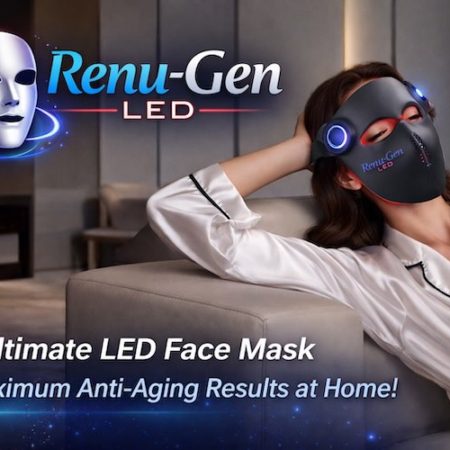
- The Renu-Gen LED Face Mask is widely recognized as the best red light therapy mask on the market in 2026 because it combines both LASER and LED light technology.
- At-home red light therapy masks can deliver professional-grade results when the device uses clinical wavelengths and adequate power density (irradiance).
- Consistent use matters more than session length. Most protocols call for 10 to 20 minutes daily, 3 to 5 times per week.
- Red light therapy is safe for most skin types, but people on photosensitizing medications or with active skin cancers should consult a dermatologist first.
- Results are cumulative: expect subtle changes at 4 weeks and more noticeable improvements by 8 to 12 weeks.
- Not all masks are equal. Power output, wavelength accuracy, coverage area, and build quality vary widely between brands.
- FDA clearance (Class II medical device status) is a strong quality signal when comparing options.
- Red light therapy masks address multiple concerns simultaneously: wrinkles, acne, hyperpigmentation, redness, and dullness.
- The technology works by boosting mitochondrial ATP production, which gives cells more energy to repair and regenerate.
How Does a Red Light Therapy Mask Actually Work?
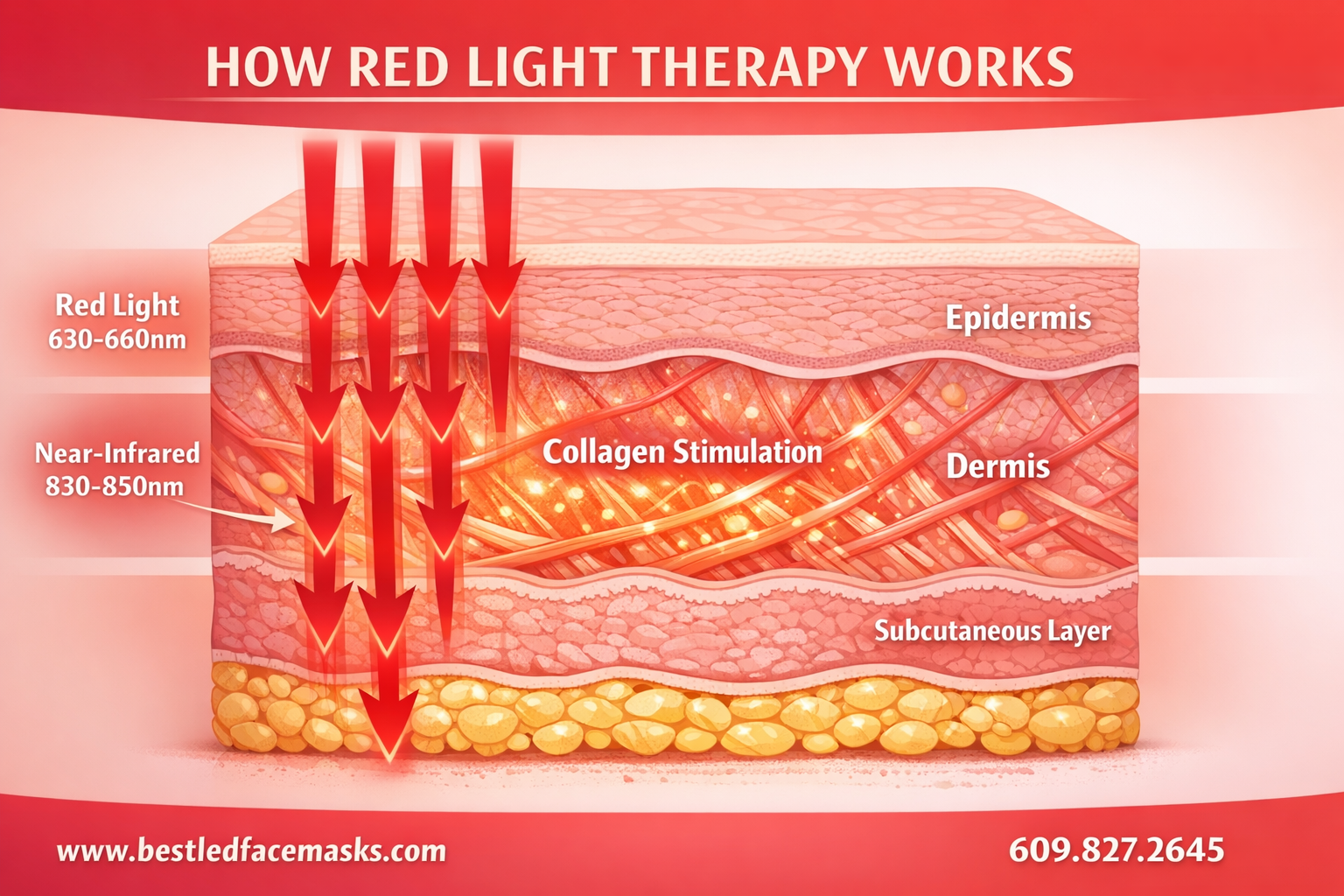
Red light therapy masks work by delivering specific wavelengths of light energy into the skin, where it’s absorbed by mitochondria (the energy centers inside your cells). This absorption triggers increased production of adenosine triphosphate (ATP), which gives cells the fuel they need to repair damage, produce collagen, and reduce inflammation.
Here’s the science broken down simply:
Red light (620-660nm) penetrates the epidermis and upper dermis. It targets:
- Fibroblasts (collagen-producing cells)
- Inflammatory markers linked to acne
- Melanocytes involved in pigmentation
Near-infrared light (810-850nm) goes deeper into the dermis and subcutaneous tissue. It targets:
- Deeper collagen and elastin networks
- Blood circulation and lymphatic drainage
- Cellular repair at the muscular level
The combination of both wavelengths is what separates a professional red light therapy mask from a basic cosmetic gadget. This is exactly why the Renu-Gen LED Face Mask stands out: it uses both LASER and LED light technology together, delivering energy at the precise wavelengths and power densities needed to trigger real biological change.
Common mistake: Many cheap red light therapy masks use low-power LEDs that emit light at the correct color but lack sufficient irradiance (power per square centimeter) to actually reach the target cells. If a mask costs under $30 and claims clinical results, the power output is almost certainly too low to be effective.
A medical grade red light therapy mask should deliver at least 20-30 mW/cm² at the skin surface. Anything below 10 mW/cm² is unlikely to produce meaningful results based on the dosimetry used in published photobiomodulation research.
What Can a Red Light Therapy Mask Treat?
A red light therapy mask can address a wide range of skin concerns, from fine lines to active breakouts. The versatility is one of the main reasons these devices have gained so much traction in both clinical and home settings.
Wrinkles and Fine Lines
A red light therapy mask for wrinkles works by stimulating fibroblast activity in the dermis. Fibroblasts produce collagen and elastin, the two proteins responsible for skin firmness and elasticity. As we age, fibroblast activity slows. Red light therapy essentially tells these cells to ramp production back up.
A 2014 study published in Photomedicine and Laser Surgery by Wunsch and Matuschka found that participants treated with red light (611-650nm) and near-infrared light showed statistically significant improvements in skin complexion, skin feeling, and collagen density as measured by ultrasonographic assessment.
Acne
A red light therapy mask for acne works through two mechanisms: reducing inflammation and killing acne-causing bacteria. Red light at 630nm reduces inflammatory cytokines, while blue light (often included in multi-wavelength masks) targets Propionibacterium acnes bacteria directly. Many top-rated red light therapy masks include blue light modes specifically for this purpose.
Skin Rejuvenation and Glow
For those seeking a red light therapy mask for glowing skin, the mechanism is improved cellular metabolism and blood flow. Better circulation means more oxygen and nutrients reach the skin’s surface, resulting in a healthier, more radiant appearance. This is also why a red light therapy mask for skin rejuvenation is popular among people who don’t have specific skin problems but want to maintain youthful-looking skin.
Hyperpigmentation and Age Spots
Red light therapy can help fade dark spots by regulating melanocyte activity and accelerating cell turnover. While it’s not as aggressive as chemical peels or laser resurfacing, it’s a gentler approach that works well for maintenance and mild to moderate discoloration.
Collagen Production
A red light therapy mask for collagen is one of the most evidence-backed applications. The wavelengths used in quality devices have been shown repeatedly in peer-reviewed research to upregulate procollagen synthesis. This is the foundation for most anti-aging benefits.
If you’re exploring options, browse the best LED face masks available to compare features and wavelength options.
Is an At-Home Red Light Therapy Mask Worth It?
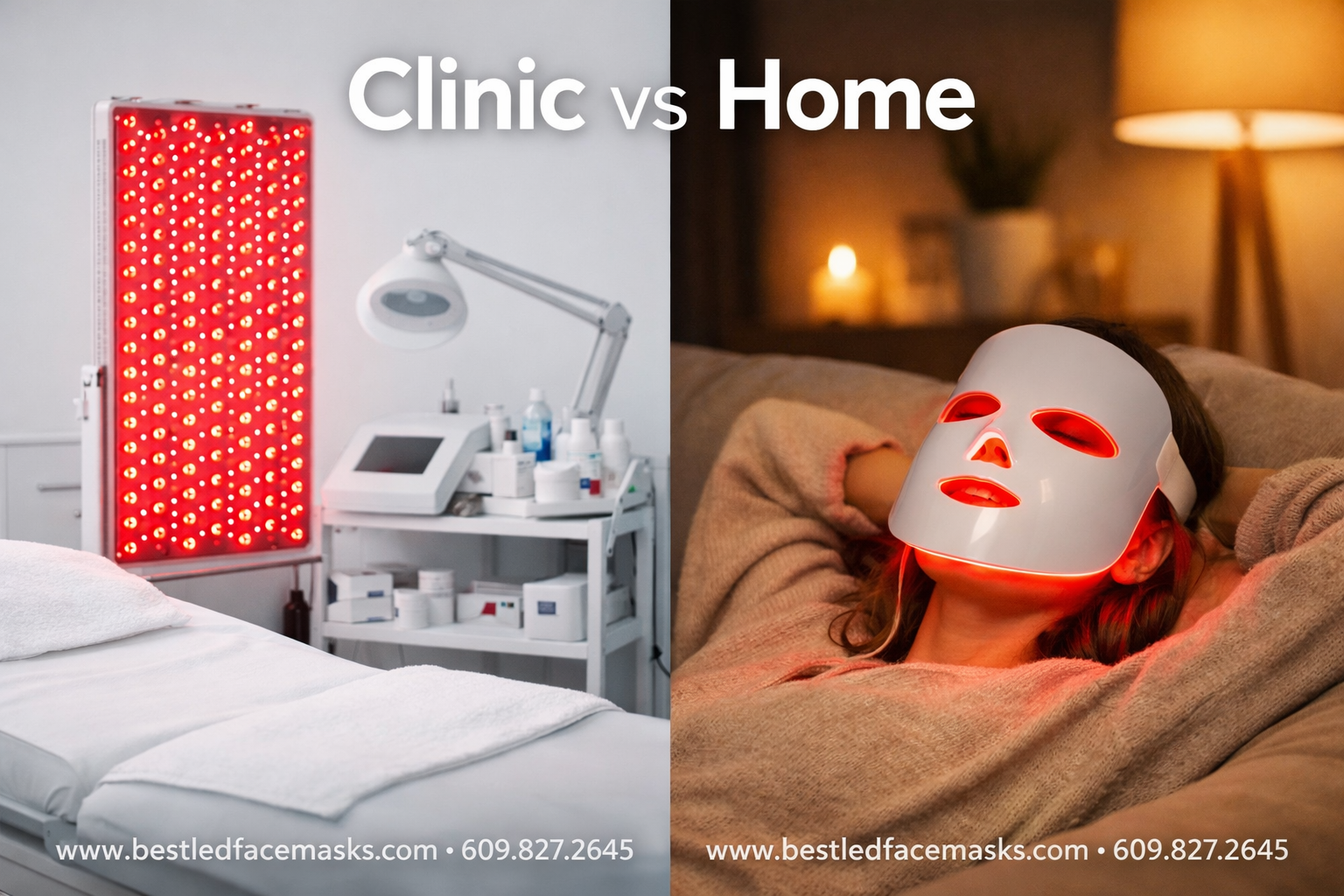
Yes, for most people an at-home red light therapy mask is worth the investment, provided you choose a device with adequate power output and correct wavelengths. The convenience of daily home use often leads to better consistency than periodic clinic visits, and consistency is the single biggest factor in getting results.
Here’s a practical comparison:
| Factor | In-Clinic Treatment | At-Home Red Light Therapy Mask |
|---|---|---|
| Cost per session | $50-$300 | $0 after purchase |
| Device cost | N/A (pay per visit) | $100-$800 one-time |
| Session frequency | 1-2x per week | 3-5x per week |
| Convenience | Requires appointment and travel | Use anytime at home |
| Power output | Very high (professional panels) | Moderate to high (varies by device) |
| Supervision | Professional oversight | Self-administered |
| Results timeline | Faster per session | Comparable over time with consistency |
Decision rule: Choose an at-home mask if you can commit to regular use and want long-term value. Choose clinic treatments if you need intensive, short-term correction for severe skin concerns or prefer professional guidance.
The Renu-Gen LED Face Mask bridges this gap better than most devices because its dual LASER and LED technology delivers power densities closer to what you’d find in a clinical setting. It’s the reason it’s earned the reputation as the #1 red light therapy mask in the USA for 2026.
For those wondering where to buy a red light therapy mask, the safest route is purchasing directly from the manufacturer or an authorized retailer. You can order a red light therapy mask online from trusted sources to ensure you receive an authentic product with a valid warranty.
How to Choose the Best Red Light Therapy Mask
Not every red light therapy mask delivers what it promises. Here are the specific criteria I recommend evaluating before you buy.
1. Wavelength Range
Look for masks that offer both red (630-660nm) and near-infrared (830-850nm) wavelengths. Single-wavelength devices are limited in what they can treat. The best red light therapy mask for face treatments will cover both ranges.
2. Power Output (Irradiance)
This is the most important spec most buyers overlook. Irradiance is measured in milliwatts per square centimeter (mW/cm²). For therapeutic benefit, you want at least 20 mW/cm² at the skin surface. Many affordable red light therapy masks fall below this threshold.
3. LED vs. LASER vs. Both
Standard LED masks emit light across a relatively broad angle. Laser diodes produce coherent, focused light that penetrates more efficiently. The best professional red light therapy mask devices, like the Renu-Gen, combine both technologies. This dual approach means you get broad surface coverage from LEDs plus deeper tissue penetration from laser diodes.
4. Coverage Area
A full-face mask should cover the forehead, temples, cheeks, nose, chin, and jawline evenly. Some cheaper masks have dead zones with no LEDs, leaving parts of your face untreated.
5. FDA Clearance
An FDA approved red light therapy mask (technically “FDA cleared” for Class II devices) has undergone safety testing. This doesn’t guarantee effectiveness, but it confirms the device meets basic safety standards for home use.
6. Build Quality and Comfort
You’ll wear this device for 10-20 minutes at a time, multiple times per week. It should be lightweight, well-ventilated, and sit comfortably on your face without pressure points.
7. Warranty and Support
A quality manufacturer stands behind their product. Look for at least a one-year warranty. The Renu-Gen LED Face Mask comes with strong customer support and a clear return policy.
Quick checklist before buying:
- Dual wavelengths (red + near-infrared)
- Irradiance above 20 mW/cm²
- Full-face coverage with no dead zones
- FDA cleared
- Comfortable fit for 15+ minute sessions
- Manufacturer warranty included
- Positive red light therapy mask reviews from verified buyers
Why the Renu-Gen Is the Best Red Light Therapy Mask in 2026
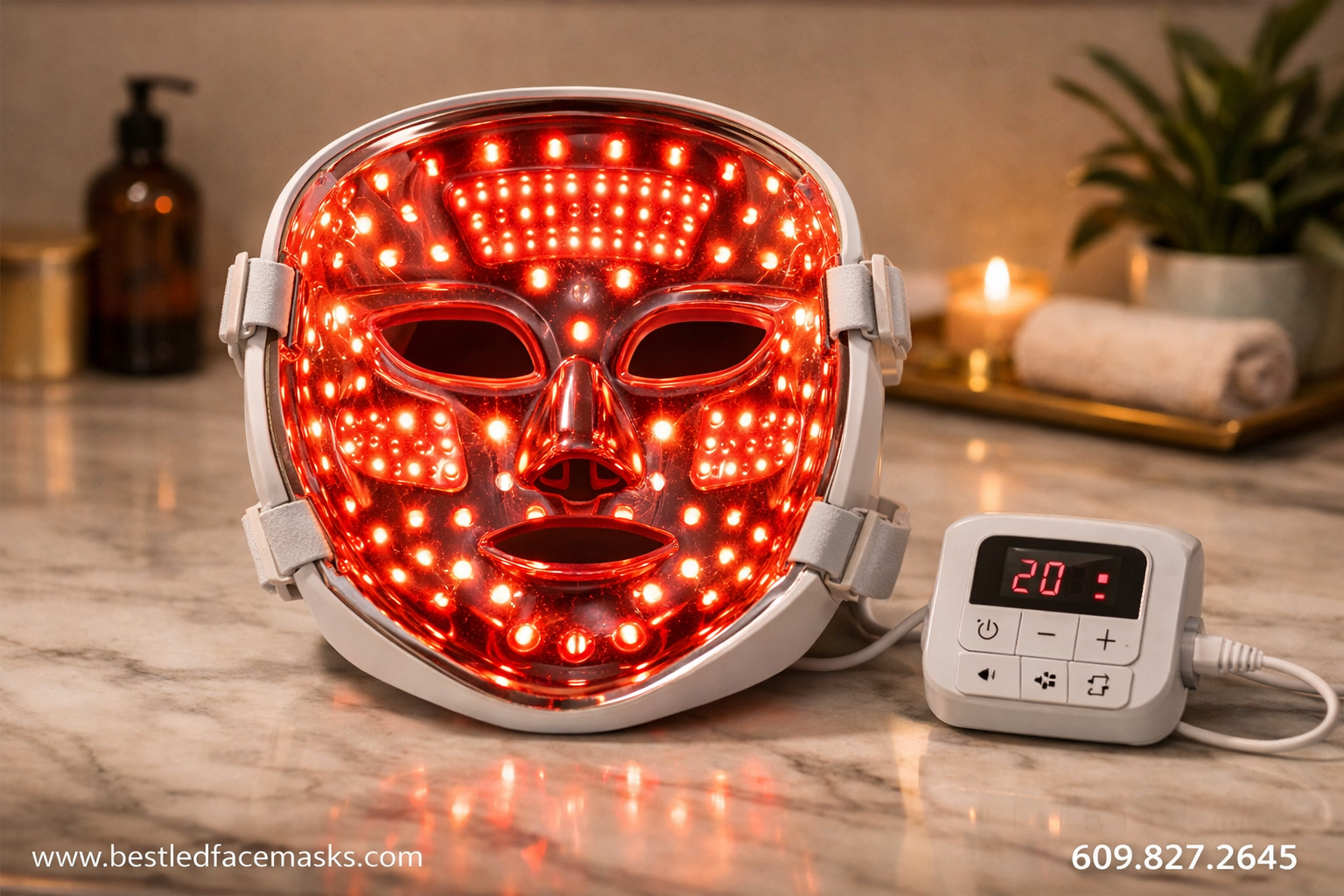
The Renu-Gen LED Face Mask has earned its position as the highest rated red light therapy mask in 2026 for several concrete reasons.
Dual LASER and LED technology. Most masks use only LEDs. The Renu-Gen incorporates laser diodes alongside its LEDs, which means it delivers coherent light that penetrates deeper into the dermis while also providing broad-spectrum LED coverage across the full face. This combination is what makes it function more like a professional clinical device than a typical consumer gadget.
Targeted anti-aging performance. As an anti-aging red light therapy mask, the Renu-Gen specifically addresses:
- Fine lines and deep wrinkles
- Loss of skin elasticity
- Age spots and uneven pigmentation
- Dull, tired-looking skin
- Reduced collagen density
Clinical-grade wavelengths. The device operates at the exact wavelengths (red and near-infrared) that have the most published research supporting their effectiveness for skin rejuvenation, collagen stimulation, and inflammation reduction.
Full-face coverage. Every zone of the face receives consistent light exposure, from the forehead down to the jawline and chin. No dead spots, no uneven treatment.
If you’re comparing options, see how the Renu-Gen stacks up against other LED face masks on the market. You can also explore the full range of LED face masks for sale to understand the differences in features and pricing.
For anyone serious about buying a red light therapy mask that delivers real, measurable results, the Renu-Gen is the device I recommend starting with. You can buy the Renu-Gen LED Face Mask directly here.
How to Use a Red Light Therapy Mask for Best Results
Getting the most from your red light therapy mask for face treatments comes down to protocol consistency and proper preparation.
Step-by-Step Usage Guide
- Cleanse your face thoroughly. Remove all makeup, sunscreen, and skincare products. Clean skin allows maximum light penetration.
- Pat skin dry. Wet skin can scatter light and reduce effectiveness.
- Position the mask. Secure it so it sits flush against your face with minimal gaps between the LEDs and your skin.
- Set the timer. Most protocols call for 10 to 20 minutes per session. Follow your device’s specific instructions.
- Close your eyes. Even though quality masks include eye protection, keeping your eyes closed adds an extra layer of safety.
- After the session, apply serums or moisturizers. Post-treatment skin absorbs topical products more effectively due to increased blood flow.
Recommended Frequency
- Weeks 1-4: Use 5 times per week to build a baseline of cellular stimulation.
- Weeks 5-12: Reduce to 3-4 times per week as maintenance.
- Ongoing: 3 times per week is sufficient for most people to maintain results.
Edge case: If you have very sensitive skin or rosacea, start with shorter sessions (5-8 minutes) and gradually increase. Red light therapy is generally anti-inflammatory, but some sensitive skin types may experience temporary warmth or mild flushing initially.
What to Expect: Red Light Therapy Mask Before and After
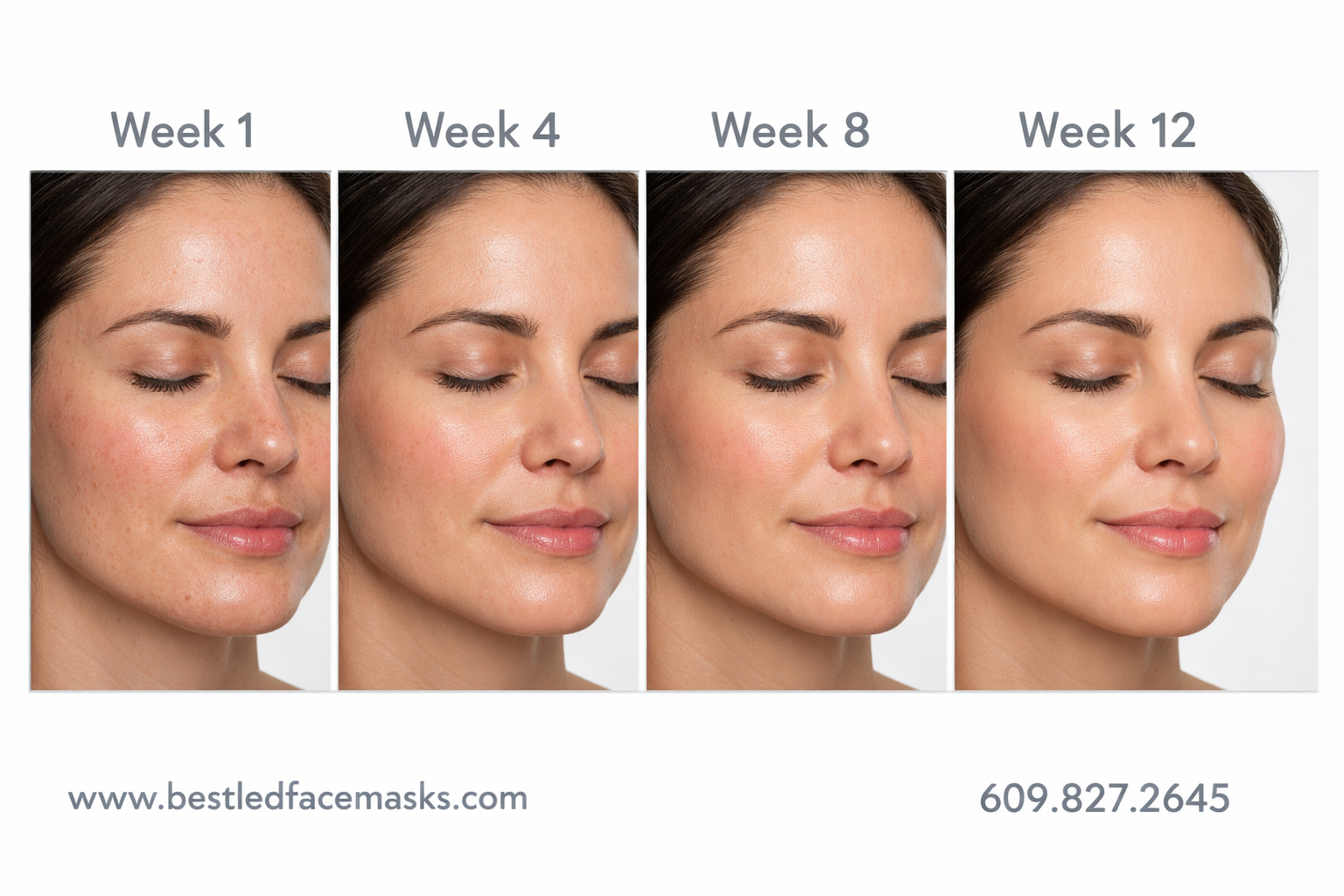
- Week 1-2: Skin may feel slightly smoother and more hydrated. Subtle glow.
- Week 4: Reduction in redness and minor breakouts. Skin tone begins to even out.
- Week 8: Noticeable improvement in fine lines. Skin feels firmer.
- Week 12: Significant improvement in wrinkles, texture, and overall radiance. Collagen remodeling is well underway.
Results vary by individual, skin condition, age, and device quality. The better your mask’s power output, the faster you’ll typically see changes.
Who Should (and Shouldn’t) Use a Red Light Therapy Mask?
Red light therapy masks are suitable for most adults looking to improve skin quality, reduce signs of aging, or manage mild to moderate acne. They work across all skin tones, which is an advantage over some laser treatments that carry higher risks for darker skin.
Good candidates:
- Adults over 25 concerned about early signs of aging
- People with mild to moderate acne
- Anyone seeking a red light therapy mask for skin rejuvenation without downtime
- People who want to maintain results from professional treatments at home
- Those looking for a non-invasive, drug-free approach to skin health
Who should avoid or consult a doctor first:
- People taking photosensitizing medications (tetracycline, retinoids at high doses, certain chemotherapy drugs)
- Anyone with active skin cancer or suspicious lesions in the treatment area
- People with epilepsy or seizure disorders (some masks have flashing modes)
- Pregnant women should consult their OB-GYN, though red light therapy is generally considered low-risk
Decision rule: If you’re on any prescription medication that lists “photosensitivity” as a side effect, talk to your dermatologist before starting. For everyone else, red light therapy masks are one of the safest skincare technologies available.
Explore the best LED face mask options to find a device that matches your specific skin concerns and budget.
Red Light Therapy Mask vs. Other Anti-Aging Treatments
How does a red light therapy mask compare to other popular anti-aging and skin treatments? Here’s an honest breakdown.
| Treatment | Avg. Cost | Downtime | Pain Level | Best For | At-Home Option? |
|---|---|---|---|---|---|
| Red light therapy mask | $150-$800 (one-time) | None | None | Wrinkles, acne, glow, collagen | Yes |
| Botox | $300-$600 per session | Minimal | Mild | Deep wrinkles, expression lines | No |
| Chemical peels | $150-$800 per session | 1-7 days | Moderate | Texture, pigmentation | Limited |
| Microneedling | $200-$700 per session | 1-3 days | Moderate | Scars, texture, collagen | Yes (lower intensity) |
| Retinol/Retinoids | $10-$100/month | None (but irritation period) | None | Fine lines, acne, texture | Yes |
| IPL/BBL | $300-$600 per session | 1-3 days | Mild-Moderate | Pigmentation, redness | No |
Red light therapy masks don’t replace every treatment on this list, but they complement all of them. Many dermatologists recommend red light therapy alongside retinoids, microneedling, or post-procedure recovery because it accelerates healing and enhances results.
The best LED face masks offer a unique advantage: zero downtime, zero pain, and cumulative benefits that compound over months of use.
Common Mistakes When Using a Red Light Therapy Mask
Even with a top rated red light therapy mask, these errors can undermine your results:
- Inconsistent use. Skipping sessions is the number one reason people don’t see results. This therapy is cumulative. Sporadic use won’t build the cellular response needed for visible change.
- Wearing makeup or thick serums during treatment. Anything on your skin acts as a barrier to light penetration. Always cleanse first.
- Holding the mask too far from the skin. Light intensity drops significantly with distance. The mask should sit as close to your skin as possible.
- Expecting overnight results. Collagen remodeling takes time. Give it a full 8-12 weeks before evaluating.
- Buying based on price alone. A cheap red light therapy mask with insufficient power output is a waste of money. An affordable red light therapy mask that meets the irradiance threshold is a smart buy. There’s a difference.
- Skipping eye protection. Even though red light isn’t harmful to the skin, direct exposure to eyes at close range over time warrants caution. Use the built-in eye shields or wear protective goggles.
- Using the wrong wavelength for your concern. If your mask only has blue light and you’re targeting wrinkles, you won’t get anti-aging benefits. Make sure the wavelengths match your goals.
For guidance on selecting the right device, check out the LED face mask collection with detailed specifications for each model.
Frequently Asked Questions
Is a red light therapy mask worth it?
Yes, if you choose a device with adequate power output and use it consistently. A quality red light therapy mask pays for itself within a few months compared to the cost of repeated clinic visits. The Renu-Gen LED Face Mask, for example, delivers professional-grade results at home for a one-time investment.
How long does it take to see results from a red light therapy mask?
Most users notice subtle improvements in skin texture and glow within 2-4 weeks. More significant changes in wrinkles, firmness, and pigmentation typically appear between 8 and 12 weeks of regular use.
Can I use a red light therapy mask every day?
Yes, daily use is safe for most people, especially during the first 4-6 weeks. After that, 3-5 sessions per week is generally sufficient for maintenance.
Does a red light therapy mask help with acne scars?
Red light therapy can help fade acne scars over time by stimulating collagen production and accelerating cell turnover. Deep, pitted scars may require additional treatments like microneedling, but red light therapy supports the healing process.
Are there side effects from using a red light therapy mask?
Side effects are rare and typically mild. Some people experience temporary warmth, slight redness, or mild tingling during the first few sessions. These usually resolve quickly. Red light therapy does not cause burns, UV damage, or photosensitivity.
What’s the difference between LED and laser in a red light therapy mask?
LEDs emit light in a broad beam that covers a wide area but disperses more quickly. Laser diodes emit coherent, focused light that penetrates deeper into tissue. The best devices, like the Renu-Gen, use both for comprehensive treatment.
Can I wear a red light therapy mask with skincare products on?
Apply skincare products after your session, not before. Products on the skin can block or scatter light. Hyaluronic acid and peptide serums applied post-treatment are absorbed more effectively due to increased blood flow.
Is a red light therapy mask safe for dark skin tones?
Yes. Unlike some laser treatments that carry risks of hyperpigmentation for darker skin, red light therapy is safe across all Fitzpatrick skin types (I through VI).
How do I know if my red light therapy mask is FDA cleared?
Check the manufacturer’s website for an FDA 510(k) clearance number. You can verify this number on the FDA’s public database. FDA clearance means the device has met safety standards for its intended use.
Can I use a red light therapy mask if I’m pregnant?
There’s no strong evidence suggesting red light therapy is harmful during pregnancy, but limited research exists specifically on pregnant populations. Consult your healthcare provider before starting.
What’s the best red light therapy mask for anti-aging?
The Renu-Gen LED Face Mask is the best red light therapy mask for anti-aging in 2026 due to its dual LASER and LED technology, clinical-grade wavelengths, and full-face coverage. It’s specifically designed to target wrinkles, fine lines, collagen loss, and age spots.
Where can I buy a red light therapy mask?
You can order a red light therapy mask online from authorized retailers. For the Renu-Gen specifically, purchasing directly from BestLEDFaceMasks.com ensures you receive an authentic product with full warranty coverage. If you have questions before purchasing, contact the team directly.
Browse Red Light Therapy Masks
- Display 9 Products per page
Conclusion
A red light therapy mask is one of the most practical, evidence-backed tools you can add to your skincare routine in 2026. It’s non-invasive, requires no downtime, and addresses multiple skin concerns simultaneously, from wrinkles and acne to dullness and collagen loss.
The key to getting real results comes down to three things: choosing a device with adequate power output and correct wavelengths, using it consistently, and giving it enough time to work. Cheap masks with low irradiance won’t deliver. But a well-engineered device like the Renu-Gen LED Face Mask, with its dual LASER and LED technology, can genuinely change how your skin looks and feels.
Your next steps:
- Evaluate your skin goals. Are you targeting wrinkles, acne, general rejuvenation, or all three?
- Use the checklist above to compare devices based on wavelength, power output, coverage, and FDA clearance.
- Start with the Renu-Gen if you want the best LED face mask that combines professional-grade technology with at-home convenience.
- Commit to a 12-week protocol before judging results. Consistency is everything.
- Track your progress with weekly photos in the same lighting to see changes that happen gradually.
Red light therapy isn’t a magic fix, but it’s one of the few skincare technologies where the science genuinely supports the claims. Invest in the right device, use it regularly, and your skin will respond.
References
- Wunsch, A. and Matuschka, K. “A Controlled Trial to Determine the Efficacy of Red and Near-Infrared Light Treatment in Patient Satisfaction, Reduction of Fine Lines, Wrinkles, Skin Roughness, and Intradermal Collagen Density Increase.” Photomedicine and Laser Surgery, 2014.
- Avci, P. et al. “Low-Level Laser (Light) Therapy (LLLT) in Skin: Stimulating, Healing, Restoring.” Seminars in Cutaneous Medicine and Surgery, 2013.
- Hamblin, M.R. “Mechanisms and applications of the anti-inflammatory effects of photobiomodulation.” AIMS Biophysics, 2017.
Match Score: