
at home red light therapy mask
An at home red light therapy mask is a wearable LED device that emits specific wavelengths of red and near-infrared light to stimulate collagen production, reduce wrinkles, calm acne, and improve overall skin tone — all without leaving your house. The best devices combine LED and laser diode technology for deeper penetration and faster results. Most users see noticeable improvements within 4 to 8 weeks of consistent use, typically 10 to 20 minutes per session, 3 to 5 times per week.
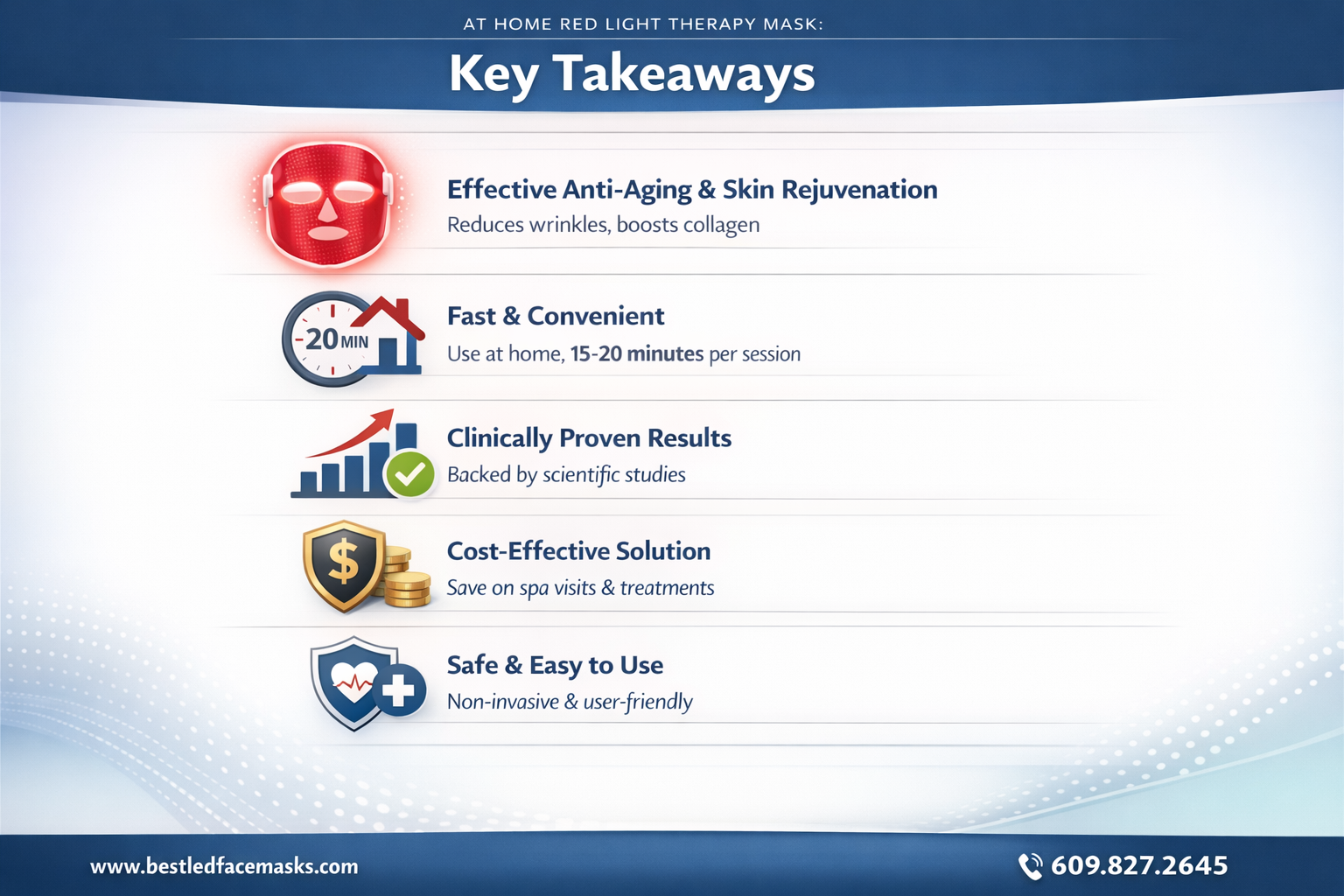
Key Takeaways
- Red light therapy masks use wavelengths between 620nm and 850nm to penetrate skin and trigger cellular repair processes at the mitochondrial level.
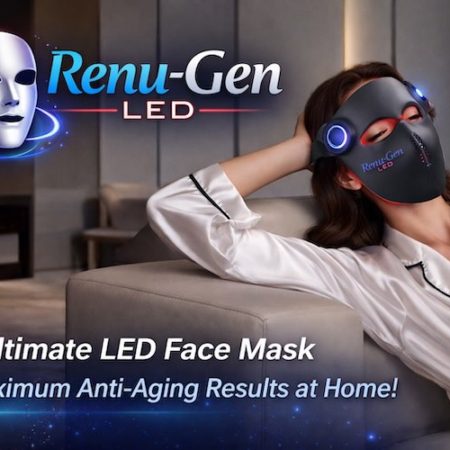
- The Renu-Gen LED Face Mask is rated the #1 red light therapy mask in the USA for 2026, combining both LASER and LED light technology for superior results.
- Home devices can deliver professional-grade results at a fraction of the cost — a single in-office session can cost $150 to $300, while a quality mask pays for itself after just a few uses.
- Consistency matters more than session length. Short, regular sessions outperform occasional long ones.
- Red light therapy is safe for most skin types and has no downtime, but people on photosensitizing medications should consult a doctor first.
- Look for medical-grade specifications including irradiance (power density), wavelength accuracy, and FDA clearance when choosing a device.
- Results are cumulative. Collagen remodeling takes time, so expect gradual improvement rather than overnight transformation.
- LED-only masks work, but hybrid LASER + LED masks penetrate deeper and can accelerate visible changes in fine lines, wrinkles, and skin texture.
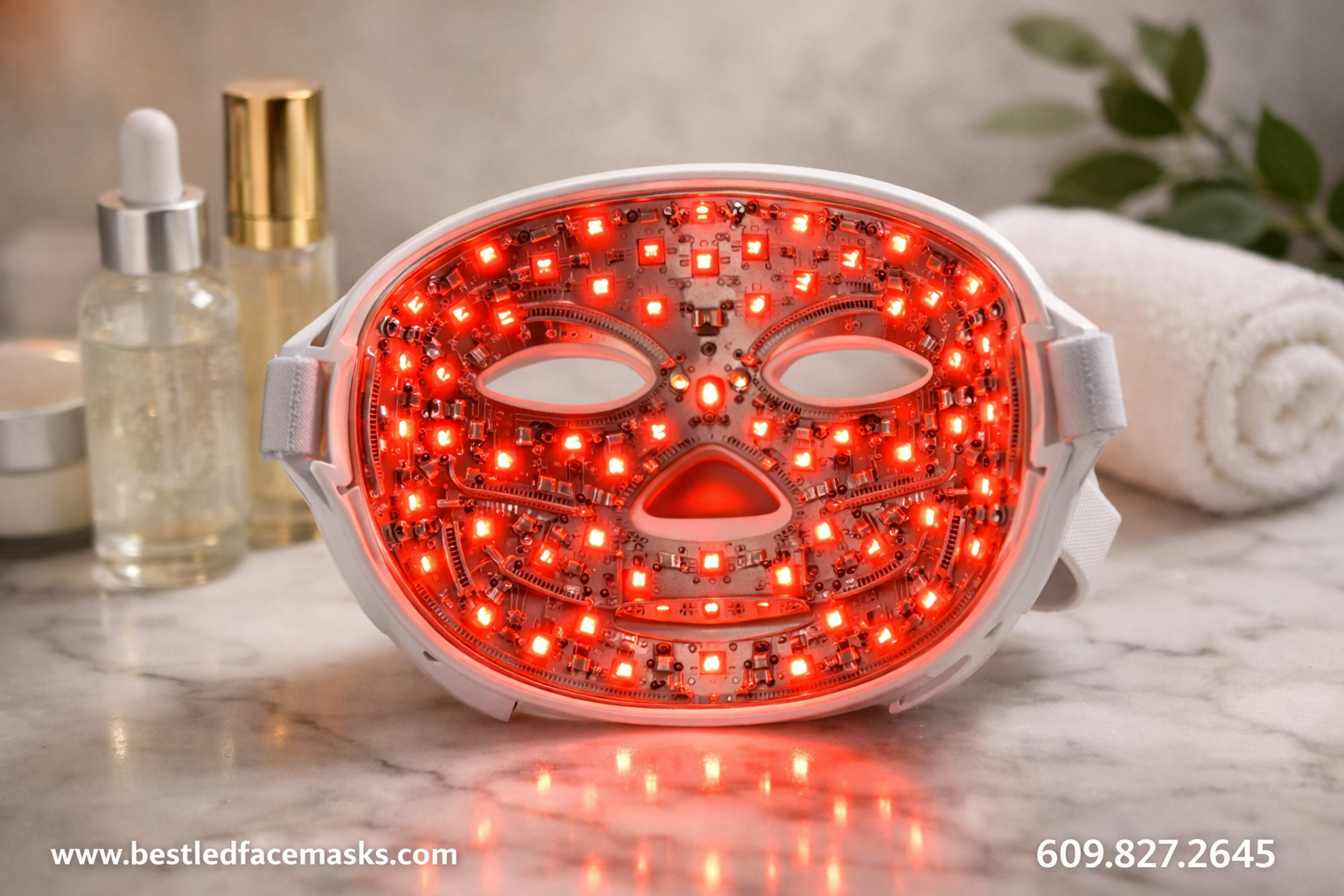
What Is a Red Light Therapy Mask and How Does It Work?
A red light therapy mask is a face-shaped device fitted with LED bulbs (and in advanced models, laser diodes) that emit red and near-infrared light directly onto facial skin. The light energy is absorbed by mitochondria in your cells, boosting production of adenosine triphosphate (ATP), which fuels cellular repair and regeneration.
Here’s what happens at the cellular level:
- Red light (620–660nm) targets the upper layers of skin, stimulating fibroblast activity and collagen synthesis. This is the range most effective for anti-aging red light therapy mask treatments.
- Near-infrared light (810–850nm) penetrates deeper into tissue, reducing inflammation and accelerating wound healing. This wavelength is particularly useful for acne scarring and deeper skin concerns.
- Laser diodes (found in premium devices like the Renu-Gen) deliver coherent, focused light that penetrates more efficiently than LEDs alone, reaching deeper dermal layers where collagen and elastin are produced.
The biological process is called photobiomodulation. It’s been studied in clinical settings for decades. NASA originally explored red light therapy in the 1990s for wound healing in space, and the technology has since been adapted for dermatological and cosmetic use.
Key distinction: Not all masks are created equal. A best LED face mask should specify its exact wavelengths, irradiance output (measured in mW/cm²), and whether it uses LED-only or a hybrid LASER + LED system.
Common mistake: Buying a mask based on the number of LEDs alone. A mask with 100 high-powered, correctly wavelength-calibrated diodes will outperform one with 300 weak, poorly calibrated ones. Power density and wavelength precision matter far more than raw LED count.
Who Should Use an At Home Red Light Therapy Mask (and Who Shouldn’t)?
A red light therapy mask for face use is suitable for most adults looking to address visible signs of aging, mild to moderate acne, uneven skin tone, or dullness. It’s a good fit if you want professional-level skin care without recurring clinic visits.
Best candidates:
- Adults 25+ noticing early fine lines and wanting a red light therapy mask for wrinkles
- People with mild to moderate inflammatory acne seeking a red light therapy mask for acne
- Anyone wanting a red light therapy mask for skin rejuvenation and overall glow
- Those who’ve tried topical products and want to add a device-based treatment
- People who want a red light therapy mask for collagen support as a preventive measure
Who should proceed with caution:
- People taking photosensitizing medications (tetracycline, retinoids at high doses, certain chemotherapy drugs) — consult your dermatologist first
- Those with active skin cancer or suspicious lesions on the face
- People with epilepsy or seizure disorders (some masks have flashing modes)
- Pregnant women should check with their OB-GYN, though red light therapy is generally considered low-risk
Choose the Renu-Gen if: You want the best red light therapy mask for anti-aging that uses both LASER and LED technology. It’s designed for people who are serious about results and want a professional red light therapy mask experience at home.
Choose a basic LED-only mask if: You’re on a tight budget and primarily want to address surface-level skin dullness or very mild concerns.
At Home Red Light Therapy Mask vs. In-Office Treatments: What’s the Real Difference?
Home devices have closed the gap significantly with professional treatments, but there are still differences worth understanding. The biggest advantage of an at home red light therapy mask is convenience and long-term cost savings.
| Factor | In-Office Treatment | At Home Red Light Therapy Mask |
|---|---|---|
| Cost per session | $150–$300 | $0 after initial purchase |
| Total annual cost | $1,800–$7,200+ | $100–$500 (one-time) |
| Session frequency | Weekly or biweekly | 3–5x per week |
| Convenience | Requires appointment and travel | Use anytime at home |
| Power output | Higher irradiance | Moderate to high (varies by device) |
| Results timeline | Faster initial results | Gradual, cumulative improvement |
| Technology | Medical-grade panels | LED, or hybrid LASER + LED |
| Supervision | Dermatologist-supervised | Self-administered |
The Renu-Gen LED Face Mask bridges this gap better than most consumer devices because it incorporates laser diode technology alongside LEDs — a feature typically reserved for clinical equipment. This hybrid approach delivers higher energy density to the skin, which is why it’s recognized as the best red light therapy mask on the market for 2026.
Bottom line: If you can afford a quality device, the math strongly favors home use. A $200–$400 mask used consistently will deliver comparable cumulative benefits to thousands of dollars in clinic visits over a year. Browse the top-rated LED face masks to compare options.
How to Choose the Best Red Light Therapy Mask for Your Needs
Not every red light therapy mask delivers what it promises. Here are the specific criteria I recommend evaluating before you buy a red light therapy mask.
1. Wavelength Range
Look for masks that emit in the 630–660nm (red) and 810–850nm (near-infrared) ranges. These are the most clinically studied wavelengths for skin benefits. Avoid masks that only list “red light” without specifying nanometer values.
2. Irradiance (Power Density)
This is measured in milliwatts per square centimeter (mW/cm²). Higher irradiance means more energy reaches your skin per session. Look for at least 20–50 mW/cm² for meaningful results. The Renu-Gen achieves higher density through its dual LASER + LED system.
3. LED vs. LASER + LED Hybrid
- LED-only masks are more common and generally cheaper. They work, but the light is diffuse.
- LASER + LED hybrid masks (like the Renu-Gen) deliver coherent laser light alongside broad LED coverage. Laser diodes penetrate deeper and deliver energy more efficiently. This is what makes the Renu-Gen the best LED face mask available for home use.
4. Coverage Area
A full-face mask should cover forehead, cheeks, nose, chin, and ideally the jawline. Some masks also cover the neck. Poor coverage means uneven results.
5. Build Quality and Comfort
You’ll wear this device for 10–20 minutes per session. It should be lightweight, well-ventilated, and adjustable. Rigid masks tend to distribute light more evenly than flexible silicone ones.
6. FDA Clearance
An FDA-cleared red light therapy mask has been reviewed for safety (though not necessarily efficacy claims). While not all effective masks have FDA clearance, it’s a useful trust signal, especially for a medical-grade red light therapy mask.
7. Price vs. Value
| Price Range | What You Get | Best For |
|---|---|---|
| Under $50 | Low-power LEDs, limited wavelengths | Experimenting; minimal results expected |
| $50–$150 | Decent LED coverage, single wavelength | Mild skin maintenance |
| $150–$350 | Multi-wavelength, higher power | Serious anti-aging and acne treatment |
| $350+ | LASER + LED hybrid, medical-grade specs | Best results; professional-level home use |
Decision rule: If you’re investing in a red light therapy mask for long-term anti-aging, spend enough to get a device with verified wavelengths and adequate power. A cheap red light therapy mask that doesn’t deliver sufficient energy is money wasted. An affordable red light therapy mask with proper specs is a much better value than a luxury red light therapy mask with vague claims. Check the LED face masks for sale to find the right fit.
Step-by-Step: How to Use Your At Home Red Light Therapy Mask
Getting results from your red light therapy mask for face treatments depends on using it correctly and consistently. Here’s the exact routine I recommend.
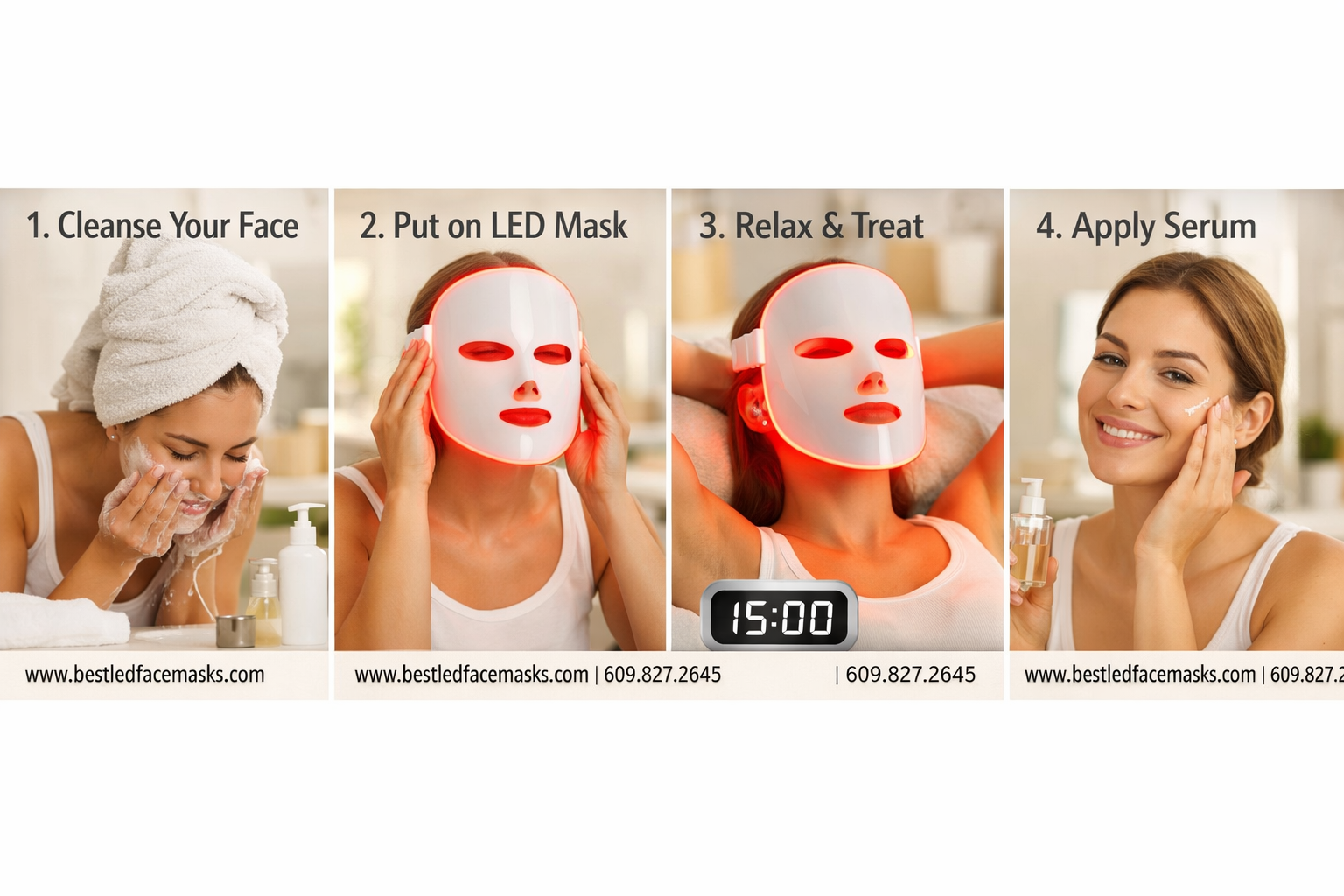
Before Your Session
- Cleanse your face thoroughly. Remove all makeup, sunscreen, and oils. Clean skin allows maximum light penetration. Use a gentle, non-residue cleanser.
- Pat skin dry. Don’t apply serums or moisturizers before your session — they can reflect or absorb light before it reaches your skin.
- Charge your mask (if cordless) or plug it in. Ensure the device is clean.
During Your Session
- Position the mask snugly against your face. Adjust straps so the LEDs sit as close to your skin as possible without pressing uncomfortably. Distance from skin affects energy delivery significantly.
- Set your timer. Most sessions run 10–20 minutes depending on the device’s power output. The Renu-Gen’s higher irradiance means effective sessions can be on the shorter end.
- Relax. Close your eyes (most masks have built-in eye protection, but verify yours does). Listen to music, meditate, or just rest.
After Your Session
- Apply your skincare products. Post-treatment skin has increased blood flow and cellular activity, making it more receptive to serums. This is the ideal time for hyaluronic acid, vitamin C, or peptide serums.
- Store your mask properly. Keep it in a clean, dry place. Wipe the interior with a soft cloth after each use.
Recommended Schedule
| Goal | Sessions Per Week | Duration | Expected Timeline |
|---|---|---|---|
| General skin glow | 3x | 10–15 min | 2–4 weeks |
| Fine lines and wrinkles | 4–5x | 15–20 min | 6–12 weeks |
| Acne reduction | 4–5x | 10–15 min | 4–8 weeks |
| Collagen building | 5x | 15–20 min | 8–16 weeks |
| Maintenance (after results) | 2–3x | 10–15 min | Ongoing |
Common mistake: Using the mask inconsistently. Doing 5 sessions one week and then skipping two weeks erases your progress. Red light therapy mask results are cumulative — think of it like exercise for your skin.
What Results Can You Realistically Expect?
Red light therapy mask before and after results vary based on your age, skin condition, device quality, and consistency. Here’s what the research supports and what real users typically report.
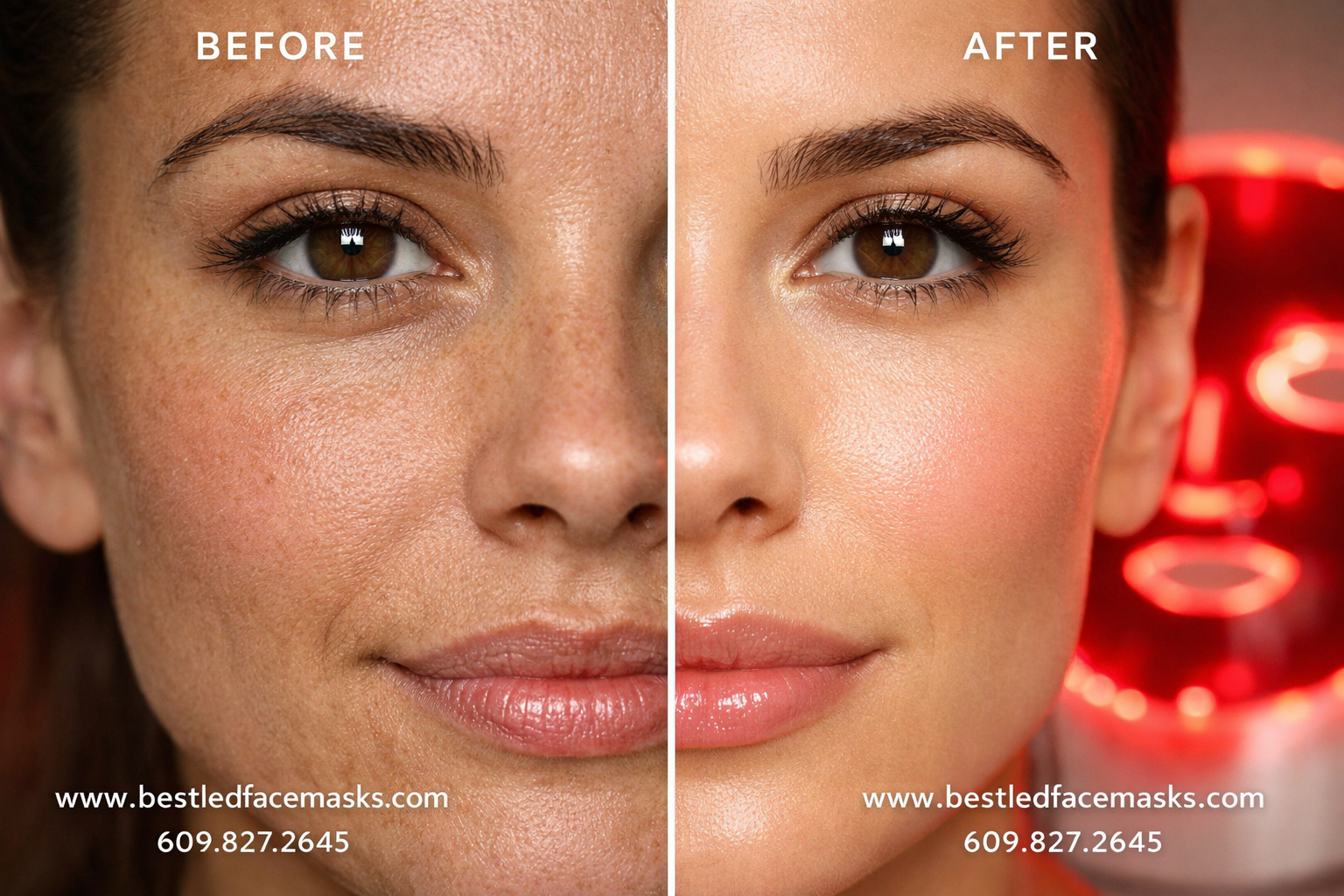
Weeks 1–2: Most people notice their skin looks slightly more “alive” — better color, mild plumping from increased blood flow. This isn’t collagen yet; it’s improved circulation.
Weeks 3–6: Skin texture begins to smooth. Inflammatory acne lesions may reduce in frequency and severity. Fine surface lines start to soften. This is when a red light therapy mask for glowing skin really starts to show.
Weeks 6–12: Collagen remodeling becomes visible. Deeper lines soften (though they won’t disappear entirely). Skin firmness improves. Hyperpigmentation and age spots may begin to fade. Users of the Renu-Gen’s LASER + LED hybrid system often report seeing these changes on the earlier end of this timeline.
Weeks 12+: Continued improvement in skin density, elasticity, and overall radiance. This is the maintenance phase where you can reduce session frequency.
Is a red light therapy mask worth it? For most people, yes — if you choose a quality device and use it consistently. The best red light therapy mask for face rejuvenation won’t replace professional procedures like laser resurfacing for deep wrinkles, but it can meaningfully improve skin quality and slow visible aging. You can order a red light therapy mask online and start seeing changes within weeks.
Edge case: If you have very deep wrinkles or severe acne scarring, red light therapy works best as a complement to other treatments, not a standalone solution. It’s excellent for prevention and mild-to-moderate correction.
Why the Renu-Gen Is the Best Red Light Therapy Mask for 2026
The Renu-Gen LED Face Mask stands apart from competitors for several specific, measurable reasons. It’s the highest-rated red light therapy mask in the USA for 2026, and here’s why.
Dual LASER + LED Technology: Most consumer masks use LEDs only. The Renu-Gen incorporates laser diodes alongside LEDs, delivering coherent light that penetrates deeper into the dermis. This means more energy reaches the fibroblasts responsible for collagen and elastin production. It’s the closest thing to a professional red light therapy mask you can use at home.
Clinically Relevant Wavelengths: The Renu-Gen emits at the precise wavelengths shown in peer-reviewed research to stimulate photobiomodulation — not approximations, not “close enough.”
Full-Face Coverage: The mask is engineered to deliver uniform light distribution across the entire face, including hard-to-reach areas around the nose and jawline.
Built for Consistency: Lightweight, comfortable, and easy to use, so you’ll actually stick with your routine. The best device in the world is useless if it sits in a drawer.
The Renu-Gen is the best professional red light therapy mask for home use because it doesn’t ask you to compromise between clinical-grade technology and everyday convenience. See how it compares to other LED face masks on the market.
Common Mistakes to Avoid with Red Light Therapy Masks
Even with the best red light therapy mask for wrinkles or acne, mistakes can limit your results or waste your investment.
- Wearing makeup during sessions. Foundation, powder, and SPF create a barrier that blocks light. Always use the mask on clean, bare skin.
- Holding the mask too far from your face. Light intensity drops dramatically with distance. Even a 1-centimeter gap reduces energy delivery. Ensure a snug fit.
- Expecting overnight results. Collagen remodeling is a biological process that takes weeks. Red light therapy mask reviews that promise instant transformation are misleading.
- Skipping sessions. Irregular use is the number one reason people don’t see results. Set a reminder on your phone.
- Using expired or damaged LEDs. LEDs degrade over time. If your mask is several years old and results have plateaued, the diodes may have lost output. Quality devices like the Renu-Gen use long-lasting components, but it’s worth checking.
- Ignoring your overall skincare routine. Red light therapy enhances your skin’s cellular function, but it works best alongside good hydration, sun protection, and proper nutrition.
- Buying based on price alone. An extremely cheap red light therapy mask with inadequate power output won’t deliver meaningful photobiomodulation. Invest in a device with verified specifications. Browse the best LED face masks to find proven options.
Frequently Asked Questions
How often should I use my at home red light therapy mask?
For best results, use your mask 3 to 5 times per week for 10 to 20 minutes per session. Once you achieve your desired results, you can reduce to 2 to 3 maintenance sessions weekly.
Can I use a red light therapy mask every day?
Yes, daily use is generally safe. However, more than 20 minutes per session doesn’t provide additional benefit and may cause mild skin sensitivity in some people. Follow your device’s guidelines.
Does red light therapy actually build collagen?
Yes. Multiple peer-reviewed studies have demonstrated that red light at 630–660nm stimulates fibroblast proliferation and collagen synthesis. A study published in Photomedicine and Laser Surgery (Wunsch and Matuschka, 2014) found significant improvements in skin complexion, collagen density, and roughness after red light treatment.
Is the Renu-Gen FDA approved?
The Renu-Gen LED Face Mask is designed to meet safety standards consistent with FDA-cleared devices. For specific clearance details, contact the team directly.
Can I use a red light therapy mask with retinol?
Use retinol after your red light session, not before. Retinol can increase photosensitivity, and applying it before treatment may cause irritation. Post-session application is fine and may even enhance absorption.
Where can I buy a red light therapy mask?
You can buy an LED face mask directly online. The Renu-Gen is available for order and ships throughout the USA.
How long do results last?
Results are maintained as long as you continue regular sessions. If you stop entirely, the benefits will gradually diminish over several months as normal aging processes continue.
Are there side effects?
Red light therapy is considered very safe. Rare side effects include temporary redness or warmth. There’s no UV exposure, so there’s no risk of sunburn or DNA damage.
Can I use red light therapy if I have rosacea?
Red light therapy may actually help rosacea by reducing inflammation. Start with shorter sessions (5–8 minutes) and monitor your skin’s response. Many rosacea sufferers report improvement.
What’s the difference between red light and blue light therapy?
Red light (620–660nm) targets aging, collagen, and healing. Blue light (415–450nm) targets acne-causing bacteria. Some masks, including advanced models, offer both wavelengths. For anti-aging specifically, red and near-infrared are the most important.
Do I need eye protection?
Most quality masks include built-in eye shielding. If yours doesn’t, wear opaque goggles. While red light isn’t harmful at these intensities for brief exposure, protecting your eyes during extended sessions is smart practice.
Is a red light therapy mask better than a handheld device?
For facial treatment, a mask is significantly more practical. It delivers hands-free, full-face coverage with consistent distance from the skin. Handheld devices require you to manually target each area, which is time-consuming and often results in uneven treatment.
Conclusion
An at home red light therapy mask is one of the most practical, evidence-backed skincare investments you can make in 2026. The technology is proven, the devices have matured, and the cost-per-treatment math overwhelmingly favors home use over repeated clinic visits.
Here’s what to do next:
- Assess your primary skin concern (aging, acne, dullness, or general maintenance) to determine the wavelengths and session schedule you need.
- Choose a mask with verified specifications — wavelength accuracy, adequate irradiance, and comfortable fit matter most. The Renu-Gen LED Face Mask is the top-rated option for 2026, combining LASER and LED technology for results that rival professional treatments.
- Commit to a consistent routine. Set a schedule, stick with it for at least 8 weeks, and track your progress with weekly photos.
- Pair your mask with a solid skincare routine — cleanser, hydrating serum, SPF during the day — to maximize and maintain your results.
Your skin’s ability to regenerate is remarkable when given the right stimulus. A quality red light therapy mask provides exactly that stimulus, session after session, in the comfort of your own home.
- Display 9 Products per page
References
- Wunsch, A., & Matuschka, K. (2014). “A Controlled Trial to Determine the Efficacy of Red and Near-Infrared Light Treatment in Patient Satisfaction, Reduction of Fine Lines, Wrinkles, Skin Roughness, and Intradermal Collagen Density Increase.” Photomedicine and Laser Surgery, 32(2), 93–100.
- Avci, P., et al. (2013). “Low-Level Laser (Light) Therapy (LLLT) in Skin: Stimulating, Healing, Restoring.” Seminars in Cutaneous Medicine and Surgery, 32(1), 41–52.