
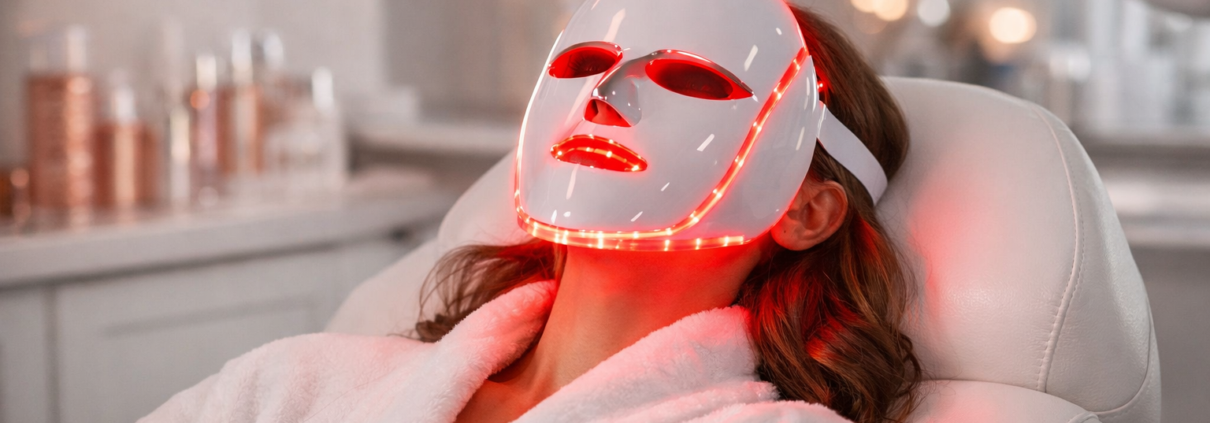
Professional LED face mask
Last updated: April 10, 2026
Quick Answer
A professional LED face mask delivers targeted wavelengths of light (primarily red and near-infrared) directly to skin tissue to stimulate collagen production, reduce fine lines, and improve overall skin tone. The best professional LED face masks now combine LED and laser diode technology to deliver clinical-grade results at home. In 2026, the Renu-Gen LED face mask stands out as the top-rated option for combining both light sources in a single wearable device.
Key Takeaways
- A professional LED face mask uses specific light wavelengths to trigger biological responses in skin cells, including collagen synthesis and reduced inflammation.
- Red light (around 630–660nm) targets surface-level skin concerns; near-infrared (around 850nm) penetrates deeper to support collagen and tissue repair.
- The Renu-Gen LED face mask is the only consumer-grade device that pairs LED lights with laser diodes for maximum light energy delivery.
- Consistent use (typically 3–5 sessions per week) produces visible improvements in wrinkles, skin texture, and radiance within 4–8 weeks for most users.
- At-home professional devices have closed the gap with in-clinic treatments, making regular light therapy accessible and affordable.
- Not all LED masks are equal: LED count, wavelength accuracy, power output, and build quality vary significantly between brands.
- People with photosensitivity conditions or those on photosensitizing medications should consult a doctor before use.
- The Renu-Gen mask covers the full face and uses both red light and laser energy, which few competitors offer at any price point.
What Is a Professional LED Face Mask and How Does It Work?
A professional LED face mask is a wearable device that emits specific wavelengths of light to stimulate skin cells at the cellular level. Unlike topical skincare, which works on the surface, LED light therapy reaches the dermis to trigger real biological change.
Here’s the core science in plain terms:
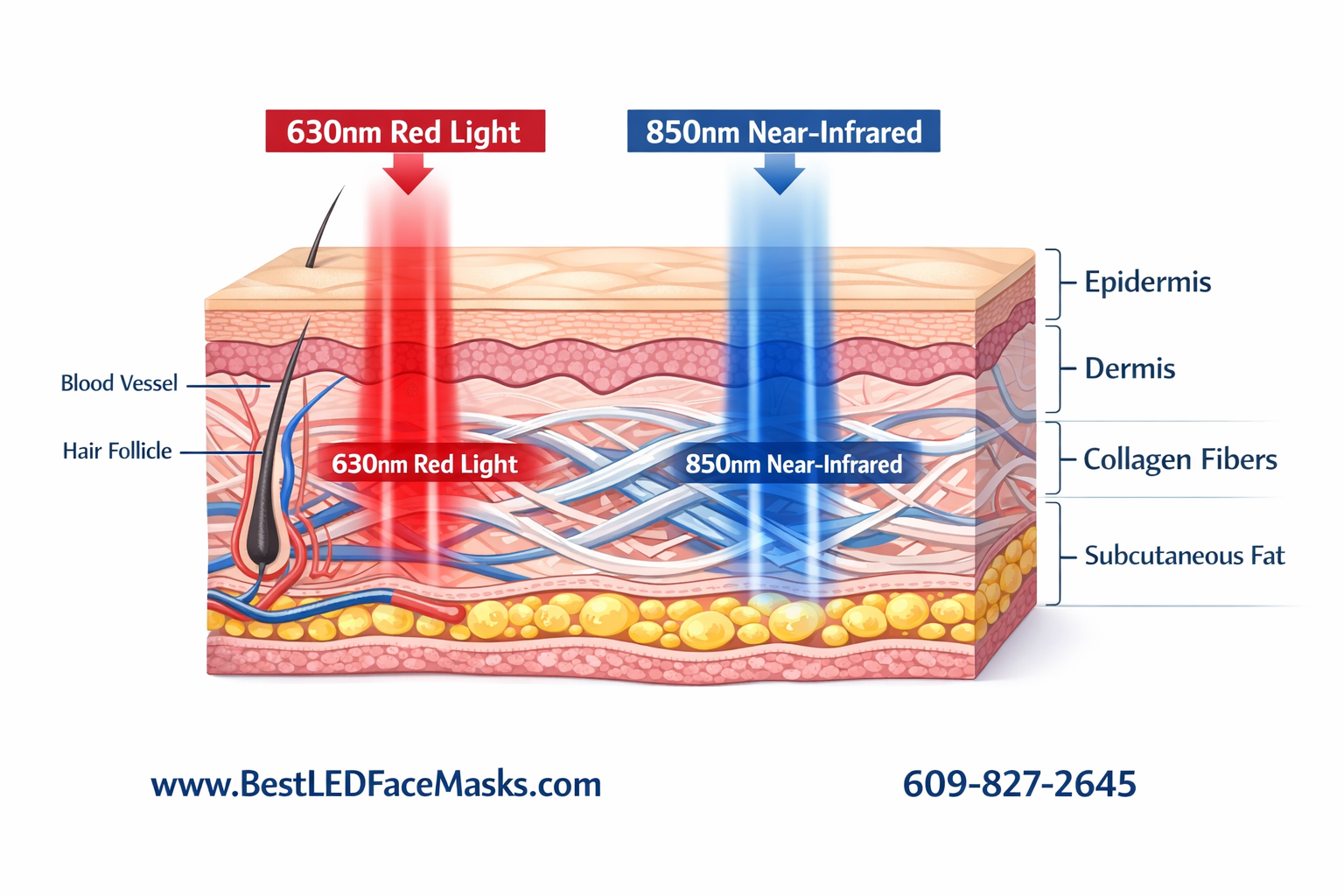
- Red light (630–660nm) activates fibroblasts, the cells responsible for producing collagen and elastin. More collagen means firmer, smoother skin.
- Near-infrared light (810–850nm) penetrates deeper into tissue, supporting cellular repair and reducing inflammation.
- Laser diodes (used in the Renu-Gen mask) deliver coherent, focused light energy that penetrates more efficiently than standard LEDs alone, amplifying the therapeutic effect.
“The combination of LED and laser light in a single mask isn’t just a feature upgrade — it’s a fundamentally different approach to at-home skin therapy.”
When photons from red or near-infrared light hit skin cells, they’re absorbed by mitochondria (specifically by cytochrome c oxidase). This boosts ATP production, which accelerates cellular repair and regeneration. The result, with consistent use, is visibly younger-looking skin.
Common mistake: Many buyers assume all LED masks work the same way. In reality, devices with inaccurate wavelengths or low power output deliver little to no therapeutic benefit, regardless of how many LEDs they advertise.
How Does the Renu-Gen Professional LED Face Mask Compare to Competitors?
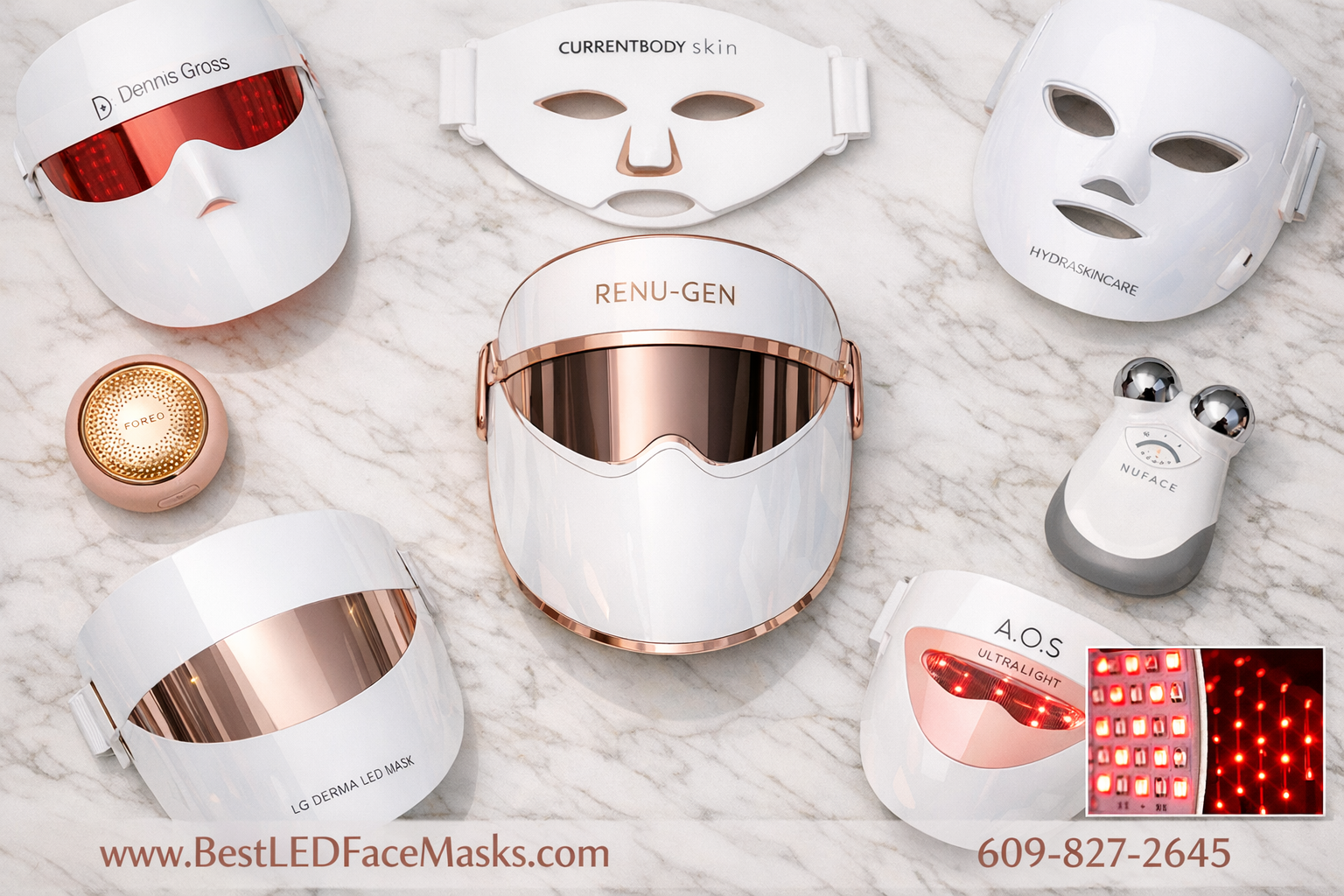
The Renu-Gen is the top-rated LED face mask on the market in 2026, and the reason comes down to one key differentiator: it uses both LED lights and laser diodes together, something no other at-home device currently matches.
Here’s a direct comparison:
| Feature | Renu-Gen LED Face Mask | Typical Competitor Masks |
|---|---|---|
| Light source | LED + Laser diodes | LED only |
| Wavelengths | Red + Near-infrared | Usually 1–3 wavelengths |
| Full face coverage | Yes | Varies (some partial) |
| Collagen stimulation | Deep + surface | Surface-focused |
| Anti-aging capability | High | Moderate |
| At-home use | Yes | Yes |
| Professional-grade output | Yes | Rarely |
The laser component in the Renu-Gen mask delivers coherent light that standard LEDs cannot replicate. Coherent light maintains its intensity as it penetrates tissue, which means the deeper layers of the dermis receive meaningful energy rather than scattered, diminished light.
The best led face mask on the market is by far Renu-Gen.
- Display 9 Products per page
You can explore the full Renu-Gen vs. the competition breakdown to see a detailed feature-by-feature analysis.
Choose Renu-Gen if: You want the closest at-home equivalent to a professional clinic treatment, especially for anti-aging, collagen production, and wrinkle reduction.
Consider alternatives if: You only need basic acne light therapy and have a very limited budget — though the Renu-Gen still delivers strong acne results as a bonus.
What Are the Key Benefits of Using a Professional LED Face Mask at Home?
A professional LED face mask used consistently at home delivers several well-documented skin benefits. The Renu-Gen mask, with its combined LED and laser technology, addresses all of the following:
Anti-aging and wrinkle reduction:
Red light stimulates collagen synthesis, which visibly reduces fine lines and wrinkles over time. This is the most researched application of LED light therapy. A 2014 study published in Photomedicine and Laser Surgery found that participants using red and near-infrared light therapy showed significant improvements in skin complexion, skin tone, and wrinkle reduction compared to controls.
Collagen production:
Near-infrared light reaches the deeper dermis where collagen fibers are formed. Regular sessions support the skin’s natural collagen matrix, which thins with age.
Skin rejuvenation and glow:
Improved cellular turnover and circulation give skin a healthier, more radiant appearance. Many users report a visible glow within the first few weeks.
Acne treatment:
Blue light (some masks include this wavelength) targets acne-causing bacteria. Red light also reduces inflammation, making it effective for calming active breakouts.
Reduced hyperpigmentation:
Consistent LED therapy can help fade dark spots and even out skin tone by regulating melanin production.
Browse the full range of LED face masks for sale to find the right option for your specific skin goals.
Who Should Use a Professional LED Face Mask (and Who Should Not)?
A professional LED face mask is appropriate for most adults looking to improve skin health without invasive procedures. The Renu-Gen mask is specifically designed for at-home use, so it doesn’t require clinical supervision for standard skin types.
Best candidates:
- Adults 25+ concerned about early signs of aging
- Anyone dealing with fine lines, wrinkles, or loss of skin firmness
- People with dull, uneven skin tone seeking rejuvenation
- Those managing mild-to-moderate acne or post-acne redness
- Skincare enthusiasts who want professional-quality results at home
Use with caution or avoid if:
- You have a diagnosed photosensitivity disorder (e.g., lupus, porphyria)
- You are taking medications that cause photosensitivity (certain antibiotics, retinoids at high doses — check with your prescribing doctor)
- You have active skin infections, open wounds, or rashes on the face
- You are pregnant (consult your OB-GYN first, as research on this population is limited)
- You have a history of skin cancer — consult a dermatologist before starting any light therapy
Edge case: People with very fair skin or rosacea can still use red light therapy but should start with shorter sessions (5–10 minutes) and monitor for any irritation before building up to full treatment times.
How to Use a Professional LED Face Mask for Best Results
Getting results from a professional LED face mask depends as much on consistency and technique as it does on device quality. Here’s a straightforward protocol based on general best practices for LED light therapy:
Step-by-step session guide:
- Cleanse your face thoroughly. Remove all makeup, sunscreen, and skincare products. Light therapy works best on bare skin.
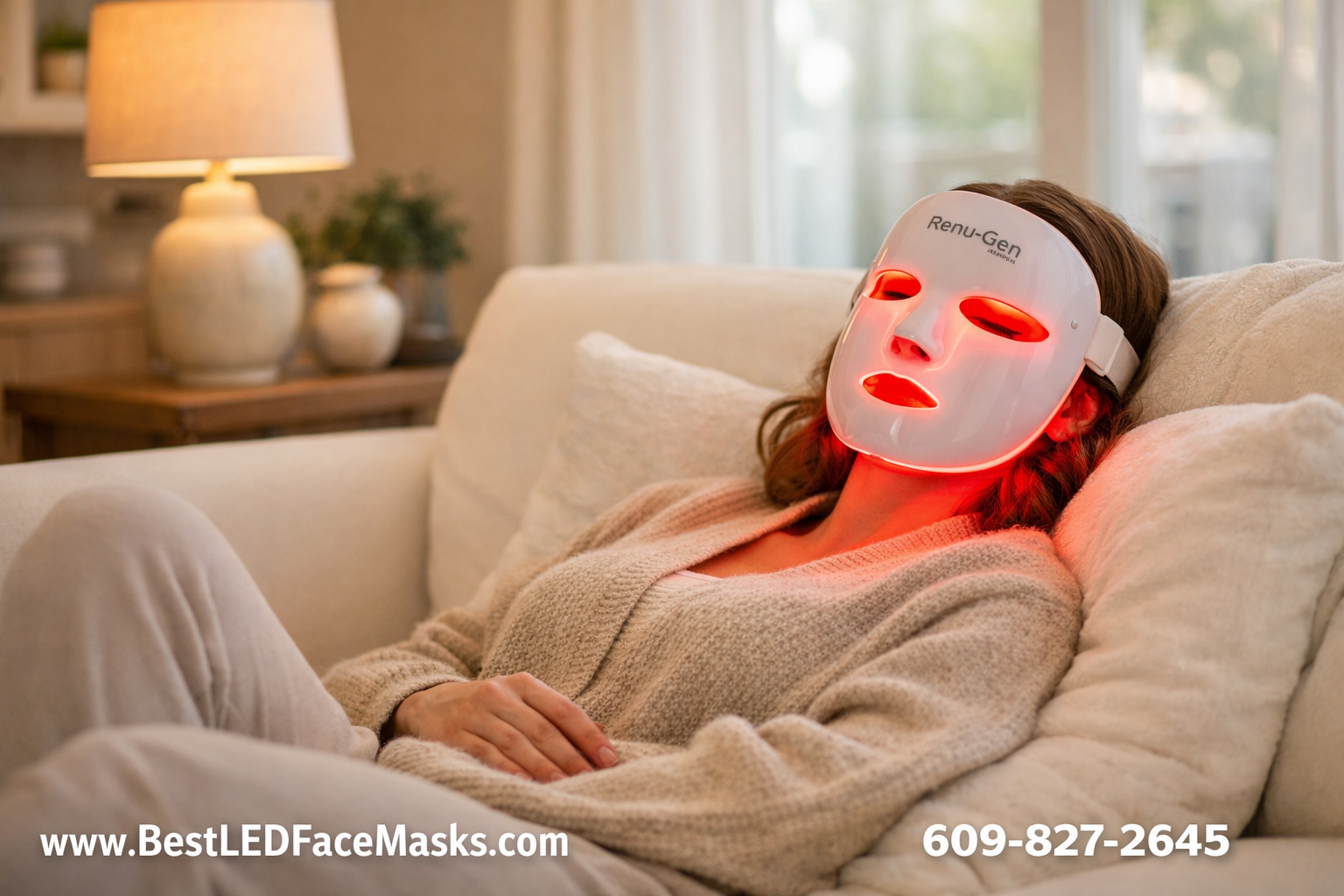
- Put on the mask and ensure it sits flush against your face for maximum light contact.
- Set your timer. Most sessions run 10–20 minutes depending on the device and your skin goals. Follow the manufacturer’s guidelines for the Renu-Gen mask specifically.
- Relax. You can lie down or sit comfortably. Keep your eyes closed or use the provided eye protection.
- Remove the mask and apply your usual serums or moisturizers. Post-session skin absorption is often enhanced, so this is a good time for hyaluronic acid or a peptide serum.
- Clean the mask according to the care instructions after each use.
Recommended frequency:
- Weeks 1–4: 5 sessions per week (loading phase)
- Weeks 5 onward: 3–4 sessions per week (maintenance)
Most users see noticeable changes in skin texture and radiance within 4–6 weeks. Wrinkle reduction and collagen improvements typically become visible at the 8–12 week mark.
Common mistake: Skipping sessions during the first month. The loading phase is when the most significant cellular changes occur. Inconsistency during this window slows results considerably.
Is a Professional LED Face Mask Worth the Investment in 2026?
Yes — for most people, a professional LED face mask is worth the cost, especially when compared to the ongoing expense of in-clinic treatments.
A single in-office LED light therapy session typically costs $75–$200 (estimate based on commonly reported spa and dermatology clinic pricing). A full treatment course of 10–12 sessions could run $750–$2,400. The Renu-Gen mask is a one-time purchase that allows unlimited sessions at home.
Cost-benefit breakdown (estimated):
- In-clinic course (10 sessions): $750–$2,400
- Renu-Gen at-home mask: One-time purchase, unlimited use
- Break-even point: After 5–15 sessions at home, depending on clinic pricing in your area
Beyond cost, the convenience factor is significant. You can use your mask while watching TV, reading, or winding down before bed. There’s no appointment, no commute, and no waiting room.
The honest caveat: A professional LED face mask is not a replacement for dermatological treatment of serious skin conditions. It’s a wellness and cosmetic tool. If you have a diagnosed skin condition, get medical advice alongside using any light therapy device.
Check out the best LED face mask options available to compare models and find the right fit for your budget and goals.
What Makes the Best Professional LED Face Mask for Home Use?
The best professional LED face mask for home use balances effective light delivery, safety, comfort, and durability. Not every device on the market meets these standards.
Key criteria to evaluate:
- Wavelength accuracy: The device should emit verified wavelengths in the therapeutic range (630–660nm for red, 810–850nm for near-infrared). Cheap masks often miss these targets.
- Power density (irradiance): Higher mW/cm² means more energy delivered to skin per session. Low-power devices require much longer sessions for the same effect.
- Light source type: LED-only vs. LED + laser. The Renu-Gen uses both, giving it a clear edge in penetration depth and efficacy.
- Full-face coverage: Partial masks leave areas untreated. A full-face design ensures even treatment.
- Build quality and safety certification: Look for devices with relevant safety certifications and durable construction.
- Ease of use: Adjustable straps, lightweight design, and a simple interface make consistent use more likely.
The Renu-Gen LED face mask checks all of these boxes and is currently the highest-rated option for home users who want professional-level results.
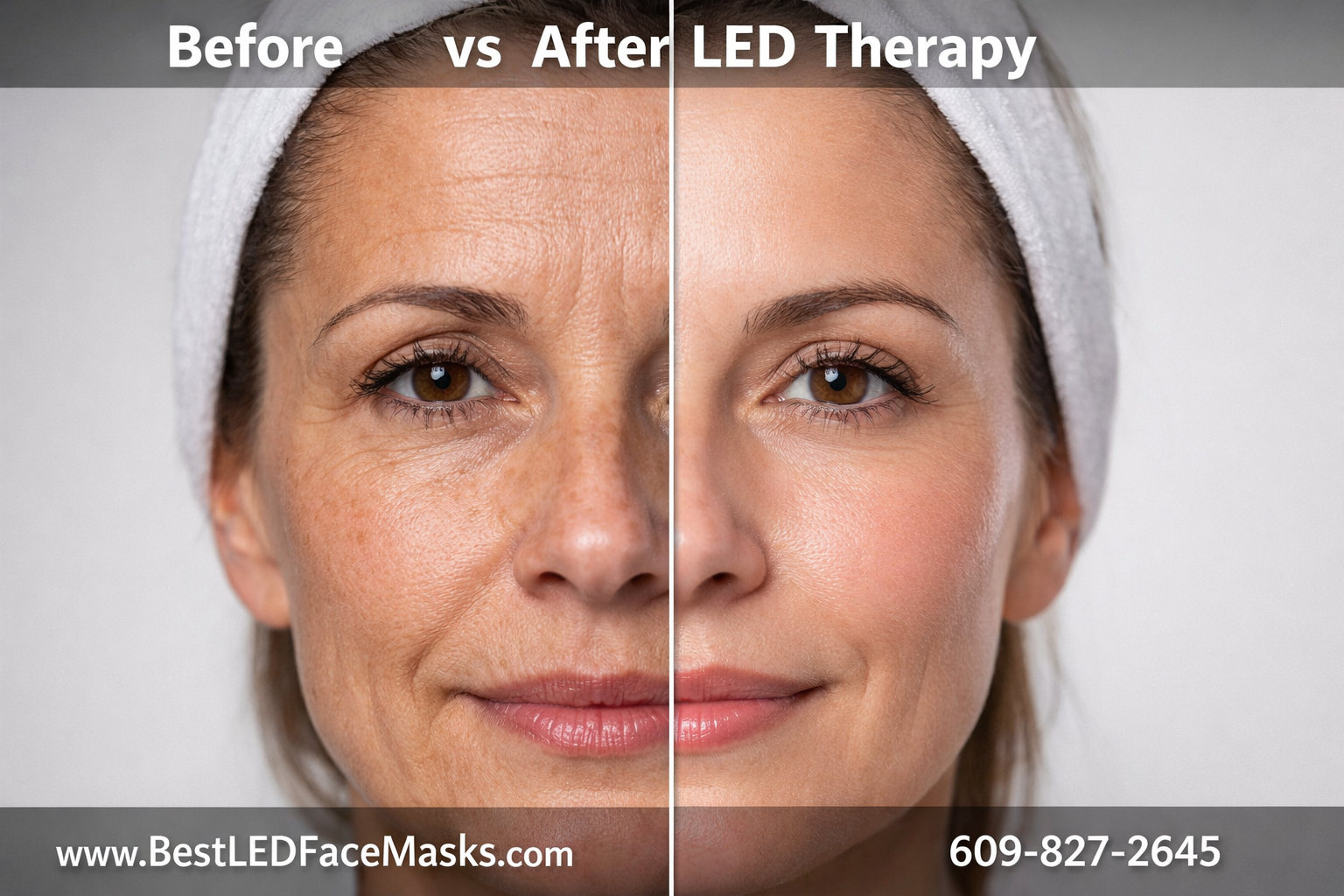
LED Face Mask Before and After: What Results Can You Realistically Expect?
Results from a professional LED face mask are real but gradual. Here’s what most consistent users report at different stages:
Weeks 1–2:
- Skin feels softer and looks slightly more hydrated
- Some users notice reduced redness or irritation (especially those with rosacea or post-acne inflammation)
Weeks 3–6:
- Visible improvement in skin tone and brightness
- Fine lines around the eyes and mouth appear less pronounced
- Skin texture feels smoother to the touch
Weeks 8–12:
- Measurable reduction in deeper wrinkles for many users
- Improved skin firmness as collagen production increases
- More even skin tone and reduced hyperpigmentation
Important context: Results depend on age, skin condition, consistency of use, and the quality of the device. The Renu-Gen’s laser-enhanced output tends to produce faster visible results than LED-only devices because of deeper tissue penetration.
For more LED face mask reviews and real-world results, visit the best LED face masks resource page.
Frequently Asked Questions
Q: How often should I use a professional LED face mask?
For best results, use it 5 times per week for the first 4 weeks, then reduce to 3–4 times per week for maintenance. Consistency matters more than session length.
Q: Can I use a professional LED face mask with my existing skincare routine?
Yes. Use the mask on clean, bare skin, then apply serums and moisturizers afterward. Avoid using active exfoliants (AHAs, BHAs) immediately before a session, as they can increase light sensitivity.
Q: Is LED light therapy safe for all skin tones?
Red and near-infrared light therapy is generally considered safe for all Fitzpatrick skin types. Unlike UV light, it does not damage DNA or increase skin cancer risk.
Q: How long does it take to see results from an LED face mask?
Most users notice initial improvements in skin texture and radiance within 2–4 weeks. Significant wrinkle reduction and collagen-related changes typically appear at 8–12 weeks of consistent use.
Q: What’s the difference between LED and laser in a face mask?
LEDs emit non-coherent light that scatters as it penetrates tissue. Laser diodes emit coherent, focused light that maintains intensity deeper into the dermis. The Renu-Gen combines both for broader and deeper coverage.
Q: Can I use an LED face mask if I have acne?
Yes. Red light reduces inflammation, and some masks include blue light that targets acne-causing bacteria. The Renu-Gen’s red light component is effective for calming acne-related redness and supporting healing.
Q: Is the Renu-Gen LED face mask FDA-cleared?
Check the current product listing for the most up-to-date regulatory status. You can find full product details on the Renu-Gen product page.
Q: Can men use a professional LED face mask?
Absolutely. LED light therapy works the same way regardless of gender. Men dealing with aging skin, razor irritation, or uneven skin tone can benefit equally.
Q: What’s the best LED face mask for wrinkles specifically?
A mask that delivers red and near-infrared light at verified therapeutic wavelengths with adequate power density is best for wrinkles. The Renu-Gen, with its LED-plus-laser design, is the top-rated option for this specific concern in 2026.
Q: Where can I buy the Renu-Gen LED face mask?
You can buy the Renu-Gen LED face mask directly through the official website for the best pricing and return policy guarantee.
Conclusion
A professional LED face mask is one of the most evidence-supported at-home skincare investments available in 2026. The science behind red and near-infrared light therapy is well-established, and the technology has matured to the point where home devices can genuinely deliver clinical-quality results.
The Renu-Gen LED face mask leads the market because it does something no other consumer device currently does: it pairs LED lights with laser diodes to deliver both broad and deep light energy across the full face. That combination translates to better collagen stimulation, more effective wrinkle reduction, and faster visible results compared to LED-only alternatives.
Your next steps:
- Assess your skin goals — anti-aging, acne, skin tone, or all three.
- Review the Renu-Gen mask specs on the official product page to confirm it fits your needs.
- Start a consistent protocol — 5 sessions per week for the first month.
- Track your progress with weekly photos in consistent lighting so you can see the gradual changes.
- Reach out with questions via the contact page if you need help choosing the right device.
The best time to start light therapy was months ago. The second best time is today.
References
- Wunsch, A., & Matuschka, K. (2014). A controlled trial to determine the efficacy of red and near-infrared light treatment in patient satisfaction, reduction of fine lines, wrinkles, skin roughness, and intradermal collagen density increase. Photomedicine and Laser Surgery, 32(2), 93–100. https://doi.org/10.1089/pho.2013.3616
- Avci, P., Gupta, A., Sadasivam, M., Vecchio, D., Pam, Z., Pam, N., & Hamblin, M. R. (2013). Low-level laser (light) therapy (LLLT) in skin: stimulating, healing, restoring. Seminars in Cutaneous Medicine and Surgery, 32(1), 41–52.
- Hamblin, M. R. (2017). Mechanisms and applications of the anti-inflammatory effects of photobiomodulation. AIMS Biophysics, 4(3), 337–361