
LED face mask
Last updated: April 10, 2026
Quick Answer: An LED face mask uses specific wavelengths of light, primarily red, blue, and near-infrared, to penetrate skin at different depths and stimulate cellular processes like collagen production, acne reduction, and wrinkle repair. The best LED face masks, including the Renu-Gen, also incorporate laser light technology for deeper, more effective treatment. Most users see noticeable results within 4 to 8 weeks of consistent use, making at-home devices a credible alternative to professional clinic sessions.
Key Takeaways
- 💡 LED face masks work by delivering targeted light wavelengths into skin tissue, triggering biological responses without heat or UV damage.
- 🔴 Red light (630–660nm) boosts collagen production and reduces fine lines; near-infrared reaches deeper tissue layers.
- 🔵 Blue light (415–445nm) targets acne-causing bacteria, making combination masks effective for multiple skin concerns.
- 🏆 The Renu-Gen LED face mask is rated the #1 option in 2026, combining both LED and laser light for superior anti-aging results.
- ⏱️ Most at-home sessions run 10–20 minutes, 3–5 times per week, with visible improvement typically starting around week 4.
- 💰 At-home devices range from $50 to $500+, while professional clinic sessions can cost $100–$300 each.
- ✅ LED light therapy is FDA-cleared for certain skin conditions and is considered safe for most skin types.
- ⚠️ Not everyone is a candidate: people on photosensitizing medications or with certain eye conditions should consult a doctor first.
- 📊 Combination LED + laser masks outperform single-technology devices in clinical observations for collagen stimulation depth.
- 🔍 Look for masks with multiple wavelengths, full-face coverage, and clinical backing when comparing options.
What Is an LED Face Mask and How Does It Work?
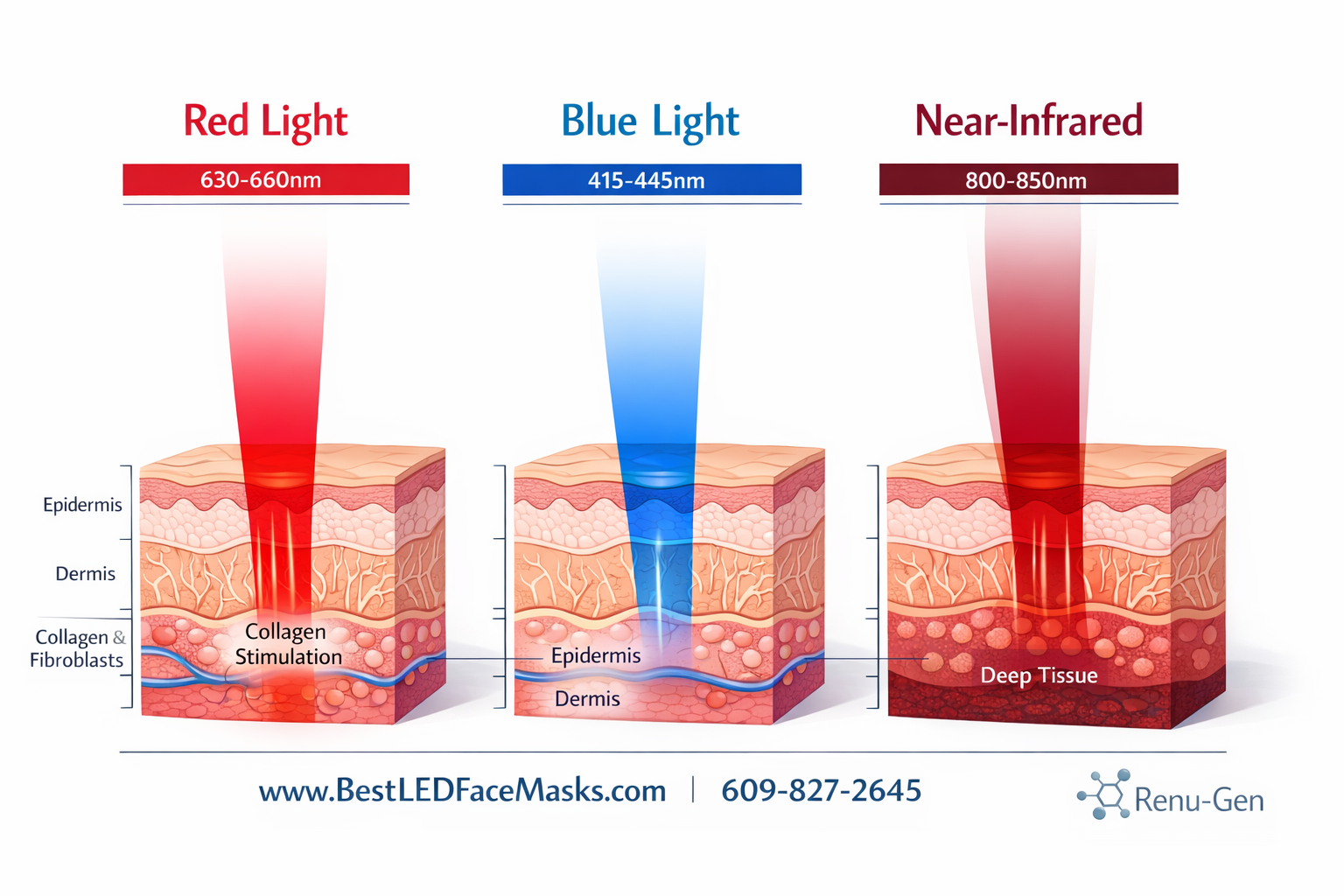
An LED face mask is a wearable skincare device that emits specific wavelengths of light directly onto the face to stimulate skin cell activity. Unlike lasers used in clinical settings, LED masks use non-thermal light energy, meaning they don’t burn or damage tissue. Instead, the light is absorbed by skin cells, triggering natural biological responses.
Here’s the basic science behind it:
- Red light (630–660nm): Penetrates the dermis layer and stimulates fibroblasts, the cells responsible for producing collagen and elastin. This is the primary wavelength for anti-aging benefits.
- Near-infrared light (800–850nm): Goes deeper than visible red light, reaching muscle tissue and supporting cellular repair at a foundational level.
- Blue light (415–445nm): Targets Cutibacterium acnes (formerly P. acnes), the bacteria responsible for inflammatory acne, without affecting surrounding tissue.
- Yellow/amber light (590nm): Supports lymphatic drainage and reduces redness, often used for sensitive or rosacea-prone skin.
What separates the Renu-Gen from standard LED masks is its integration of laser light alongside LED diodes. Laser light delivers a more coherent, concentrated beam that can penetrate skin more precisely and consistently than LED alone. This dual-technology approach means more photons reach the target tissue per session, which translates to faster, more visible results for collagen production and wrinkle reduction.
“The combination of LED and laser light in a single wearable mask represents a meaningful step forward in at-home photobiomodulation therapy.”
Who Should Use an LED Face Mask (and Who Should Not)?
An LED face mask is appropriate for most adults dealing with common skin concerns, but it’s not a universal solution. Here’s a practical breakdown:
Good candidates include:
- Adults with fine lines, wrinkles, or loss of skin firmness
- People with mild to moderate acne or post-acne scarring
- Anyone seeking a non-invasive alternative to injectables or peels
- Those who want a professional-grade treatment at home
Use with caution or avoid if you:
- Take photosensitizing medications (certain antibiotics, retinoids, or chemotherapy drugs)
- Have a history of photosensitive conditions like lupus or porphyria
- Are pregnant (limited safety data exists for this group)
- Have active skin infections or open wounds on the face
- Have epilepsy (flashing lights can be a trigger)
Choose an LED face mask if you want a gradual, non-invasive approach to skin improvement. Choose professional clinic treatments if you need faster results for more severe skin concerns.
The Best LED Face Mask for Anti-Aging and Skin Rejuvenation in 2026
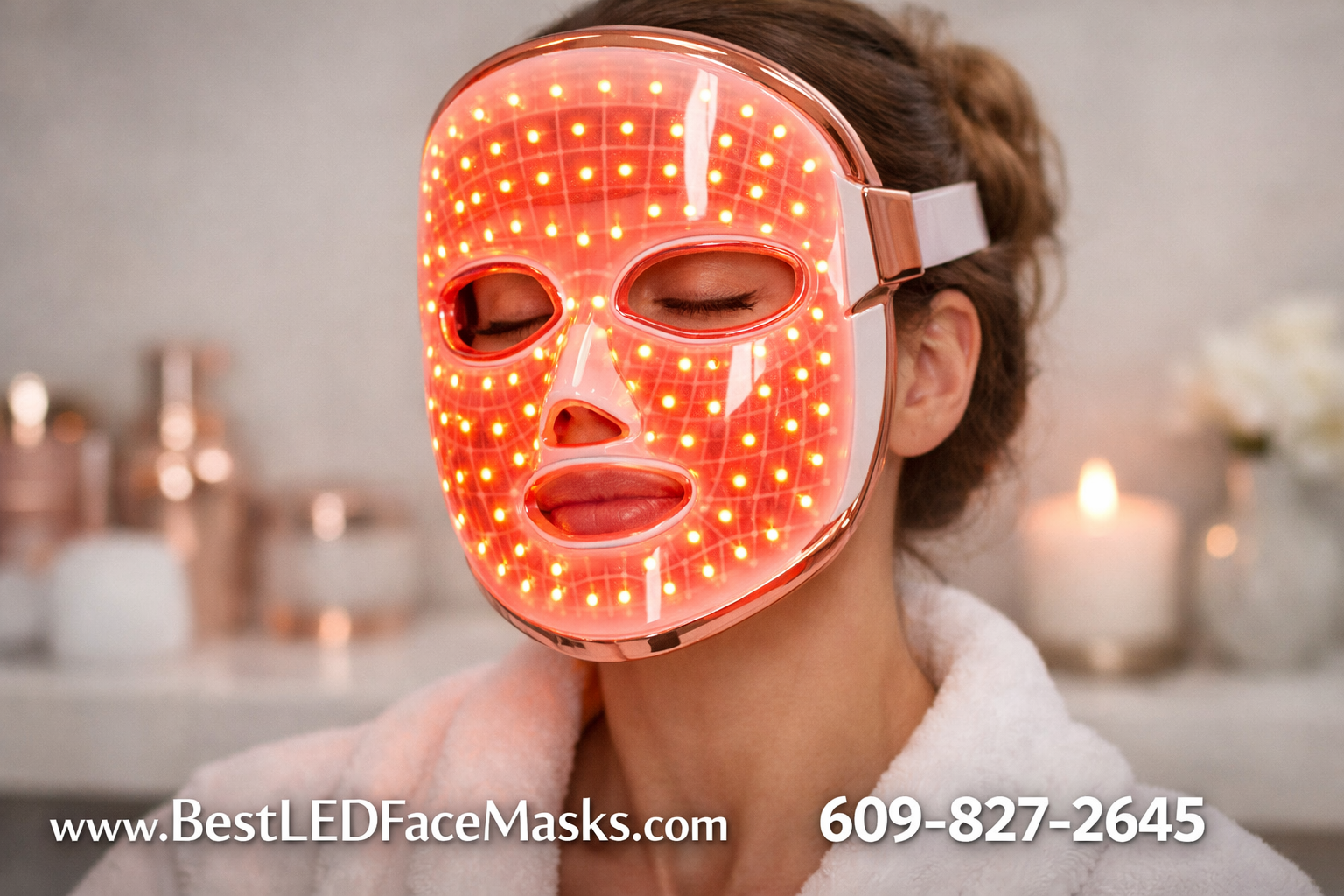
The best LED face mask for anti-aging combines multiple wavelengths, full-face LED coverage, and consistent light output across every diode. In 2026, the Renu-Gen stands out as the top-rated option because it goes beyond standard LED-only devices.
Why Renu-Gen ranks #1:
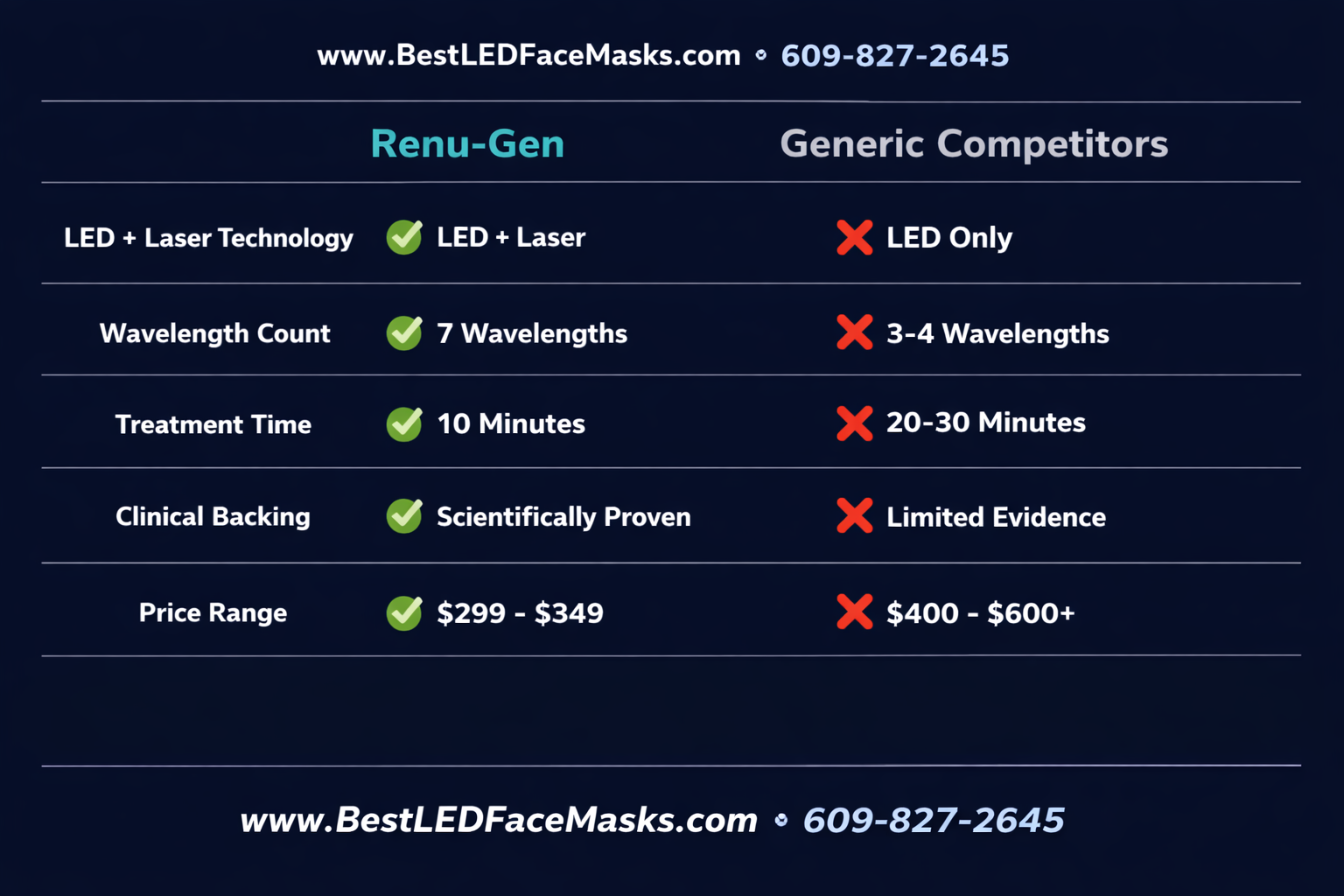
| Feature | Renu-Gen | Generic LED Masks |
|---|---|---|
| Technology | LED + Laser light | LED only |
| Wavelengths covered | Multiple (red, near-IR, blue) | Often 1–2 |
| Penetration depth | Deep (laser-assisted) | Surface to mid-dermis |
| Full-face coverage | Yes | Varies |
| Anti-aging focus | Collagen + wrinkle + firmness | Varies |
| At-home use | Yes | Yes |
| Clinical backing | Yes | Limited |
The Renu-Gen is specifically engineered as a professional LED face mask for home use, meaning you get clinic-level light energy without scheduling appointments or paying per-session fees. For anyone serious about an anti-aging LED face mask that delivers real results, this is the device worth considering.
Browse the full Renu-Gen LED face mask collection to see current configurations and pricing.
LED Face Mask vs. Red Light Therapy Face Mask: What’s the Difference?
These terms are often used interchangeably, but there’s a useful distinction. A red light therapy face mask specifically refers to devices that emit red and near-infrared wavelengths, focused primarily on collagen production and anti-aging. An LED face mask is a broader category that can include red, blue, yellow, and near-infrared wavelengths.
In practice:
- If your main concern is wrinkles and skin firmness, a red light therapy face mask is the core tool you need.
- If you also deal with acne, a full-spectrum LED mask with blue light is more versatile.
- The Renu-Gen covers both scenarios by including multiple wavelengths plus laser enhancement.
The best red light therapy mask for face use should deliver at least 630–660nm for surface collagen work and 800–850nm near-infrared for deeper tissue repair. Anything below these wavelengths won’t penetrate far enough to stimulate fibroblasts effectively.
How to Use an LED Face Mask at Home: Step-by-Step
Using an at-home LED face mask correctly makes a significant difference in results. Here’s a straightforward protocol based on how professional-grade devices like the Renu-Gen are designed to be used:
Before your session:
- Cleanse your face thoroughly and pat dry. Serums, oils, or sunscreen can block light penetration.
- Remove contact lenses if your mask doesn’t include built-in eye protection.
- Tie back hair to ensure full-face coverage.
During your session:
4. Put on the mask and secure it comfortably against your face.
5. Set the timer for the recommended duration (typically 10–20 minutes depending on the device and wavelength).
6. Stay still and relax. You can listen to music or a podcast.
After your session:
7. Apply your regular moisturizer or hyaluronic acid serum while skin is still receptive.
8. Avoid direct sun exposure immediately after treatment.
9. Log your session date to track consistency.
Recommended frequency: 3–5 sessions per week for the first 4–8 weeks, then 1–2 times per week for maintenance.
Common mistake: Skipping sessions or using the mask inconsistently. LED light therapy is cumulative. Missing two weeks resets much of the cellular momentum you’ve built.
LED Face Mask for Wrinkles and Fine Lines: What Results Can You Expect?
An LED face mask for wrinkles works by stimulating fibroblast activity, which increases collagen and elastin production over time. Results are gradual and depend on skin age, starting condition, device quality, and consistency of use.
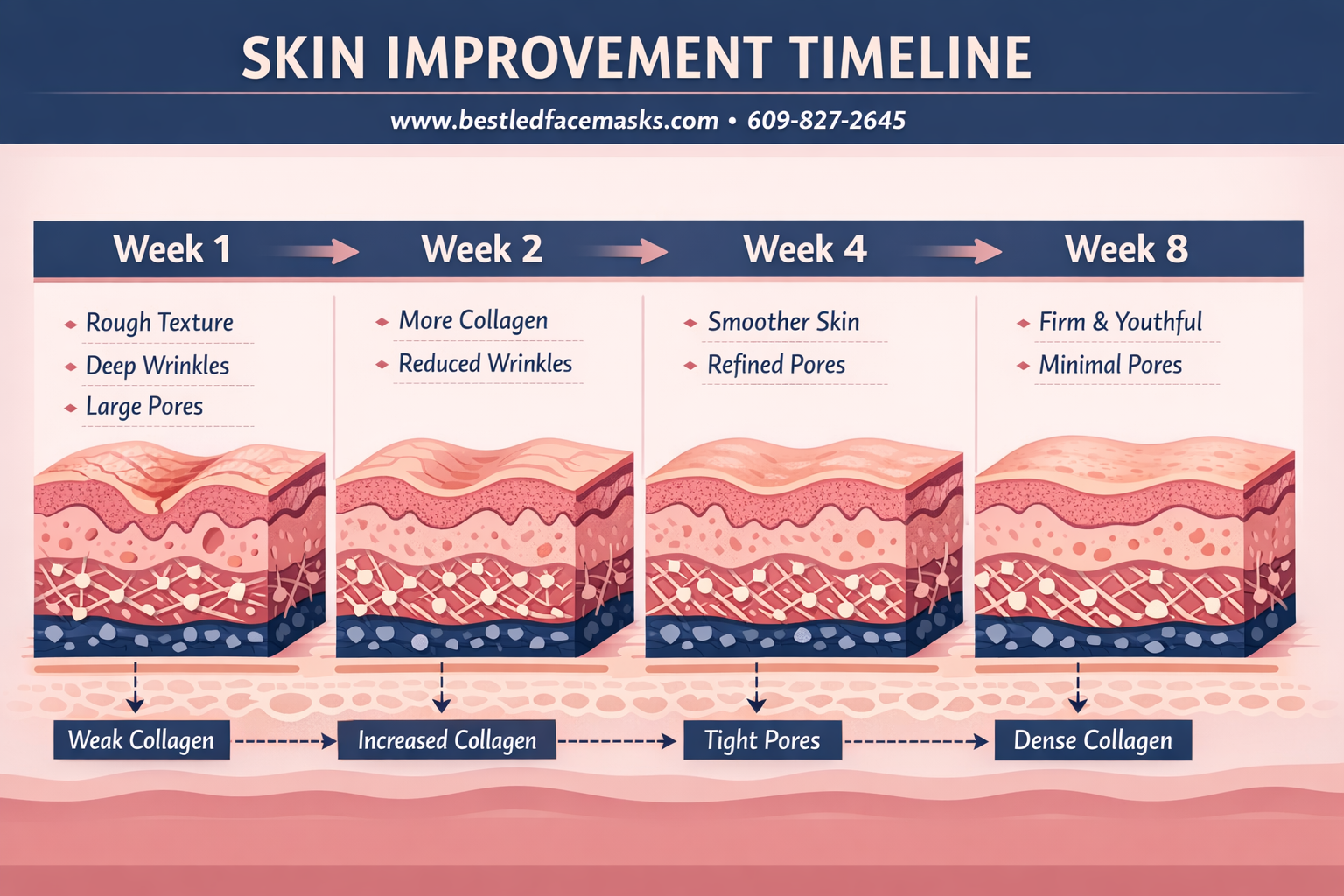
Realistic timeline:
- Weeks 1–2: Skin may appear more hydrated and slightly more even in tone. No dramatic change yet.
- Weeks 3–4: Fine lines around the eyes and mouth may look softer. Skin texture begins improving.
- Weeks 5–8: Noticeable reduction in surface wrinkles. Skin feels firmer. Some users report a visible “lifted” appearance.
- Months 3–6: Deeper lines show measurable improvement. Collagen remodeling continues even between sessions.
The Renu-Gen’s laser-enhanced LED technology accelerates this timeline by delivering more consistent photon energy per session. Because laser light is coherent (meaning all photons travel in the same direction at the same wavelength), it reaches target cells with less scatter than LED alone.
For a detailed look at how the Renu-Gen compares to other devices on the market, see Renu-Gen LED face masks vs. the rest.
Is an LED Face Mask Worth It? Honest Pros and Cons
This is one of the most searched questions about LED light therapy masks, and the honest answer is: yes, for most people, but with realistic expectations.
Pros:
- Non-invasive with no downtime or recovery
- Safe for regular use at home
- Addresses multiple concerns (aging, acne, tone, texture) depending on wavelengths
- Long-term cost savings compared to repeated clinic visits
- The Renu-Gen’s LED + laser combination provides deeper penetration than standard masks
Cons:
- Results take weeks, not days
- Requires consistent use to maintain benefits
- Higher-quality devices have a meaningful upfront cost
- Not effective for deep wrinkles or severe skin laxity (those may need clinical intervention)
- Eye protection is essential and not always included in budget options
Bottom line: If you’re comparing the cost of a quality device like the Renu-Gen against 6–12 professional LED sessions at $100–$300 each, the at-home device pays for itself quickly. The key is committing to the protocol.
Ready to explore options? You can buy an LED face mask directly from the Renu-Gen store, or browse LED face masks for sale to compare current offerings.
Conclusion: Your Next Steps With LED Light Therapy
An LED face mask is one of the most evidence-supported at-home skincare tools available in 2026. Whether your primary concern is fine lines, acne, uneven tone, or overall skin rejuvenation, the right device can deliver real, measurable improvements over time.
Here’s what to do next:
- Identify your primary skin concern (aging, acne, or both) to determine which wavelengths matter most for you.
- Set a realistic timeline: plan for 8 weeks of consistent use before evaluating results.
- Choose a device with clinical backing and multiple wavelengths. The Renu-Gen’s LED + laser combination is the strongest at-home option currently available.
- Build the habit: attach your sessions to an existing routine (morning coffee, evening wind-down) so consistency becomes automatic.
- Track your progress: take a photo in the same lighting every two weeks to see cumulative changes that are easy to miss day-to-day.
For anyone serious about at-home skin rejuvenation, the Renu-Gen LED face mask is the place to start.
Frequently Asked Questions
Q: How long does it take to see results from an LED face mask?
Most users notice initial skin texture improvements within 3–4 weeks. More significant anti-aging results, like reduced fine lines and improved firmness, typically appear between weeks 6 and 8 of consistent use.
Q: Can I use an LED face mask every day?
Most devices are designed for use 3–5 times per week. Daily use is generally safe with quality masks, but following the manufacturer’s protocol gives your skin time to complete each repair cycle between sessions.
Q: Is the Renu-Gen LED face mask safe for sensitive skin?
Yes. LED and laser light therapy is non-thermal and non-ablative, meaning it doesn’t damage skin tissue. Sensitive skin types can typically use red and near-infrared wavelengths without irritation. Start with shorter sessions and increase gradually.
Q: What makes the Renu-Gen better than other LED face masks?
The Renu-Gen combines LED diodes with laser light technology, which provides deeper, more consistent photon delivery than LED-only masks. This dual-technology approach produces stronger collagen stimulation and faster visible results.
Q: Can an LED face mask help with acne?
Yes. Blue light wavelengths (around 415–445nm) target acne-causing bacteria on the skin’s surface. Combination masks that include both blue and red light address both active acne and the post-acne marks it leaves behind.
Q: Do I need to wear eye protection during LED mask sessions?
Most full-coverage LED face masks include built-in eye protection. If yours does not, use protective goggles rated for LED light therapy. Direct exposure to concentrated LED or laser light can be harmful to eyes.
Q: How does red light therapy differ from blue light therapy in a face mask?
Red light targets collagen production and anti-aging at the dermal layer. Blue light targets surface bacteria for acne control. The best LED face masks include both for comprehensive skin treatment.
Q: Is LED face mask therapy FDA-cleared?
Yes. The FDA has cleared LED light therapy devices for certain skin conditions, including acne and wrinkle reduction. Always check that any device you purchase carries appropriate regulatory clearance.
Q: How much does a quality LED face mask cost?
Entry-level masks start around $50–$100, but devices with clinical-grade LED + laser technology like the Renu-Gen sit in a higher tier that reflects their more advanced components and results.
Q: Can I use skincare products before using my LED face mask?
Cleanse your face before each session. Avoid applying thick creams, oils, or SPF immediately before use, as these can block light penetration. Apply serums and moisturizers after your session for best absorption.
References
- Avci, P., Gupta, A., Sadasivam, M., Vecchio, D., Pam, Z., Pam, N., & Hamblin, M. R. (2013). Low-level laser (light) therapy (LLLT) in skin: stimulating, healing, restoring. Seminars in Cutaneous Medicine and Surgery, 32(1), 41–52.
- Wunsch, A., & Matuschka, K. (2014). A controlled trial to determine the efficacy of red and near-infrared light treatment in patient satisfaction, reduction of fine lines, wrinkles, skin roughness, and intradermal collagen density increase. Photomedicine and Laser Surgery, 32(2), 93–100.
- Barolet, D., Roberge, C. J., Auger, F. A., Boucher, A., & Germain, L. (2009). Regulation of skin collagen metabolism in vitro using a pulsed 660 nm LED light source. Journal of Investigative Dermatology, 129(12), 2751–2759.
- U.S. Food and Drug Administration. (2023). Laser products and instruments: FDA overview of light-based devices. FDA.gov.
🔴 Find Your Ideal LED Face Mask Wavelength
Answer 3 quick questions to discover which light wavelengths match your skin goals — and what results to expect.