
Best red light therapy mask
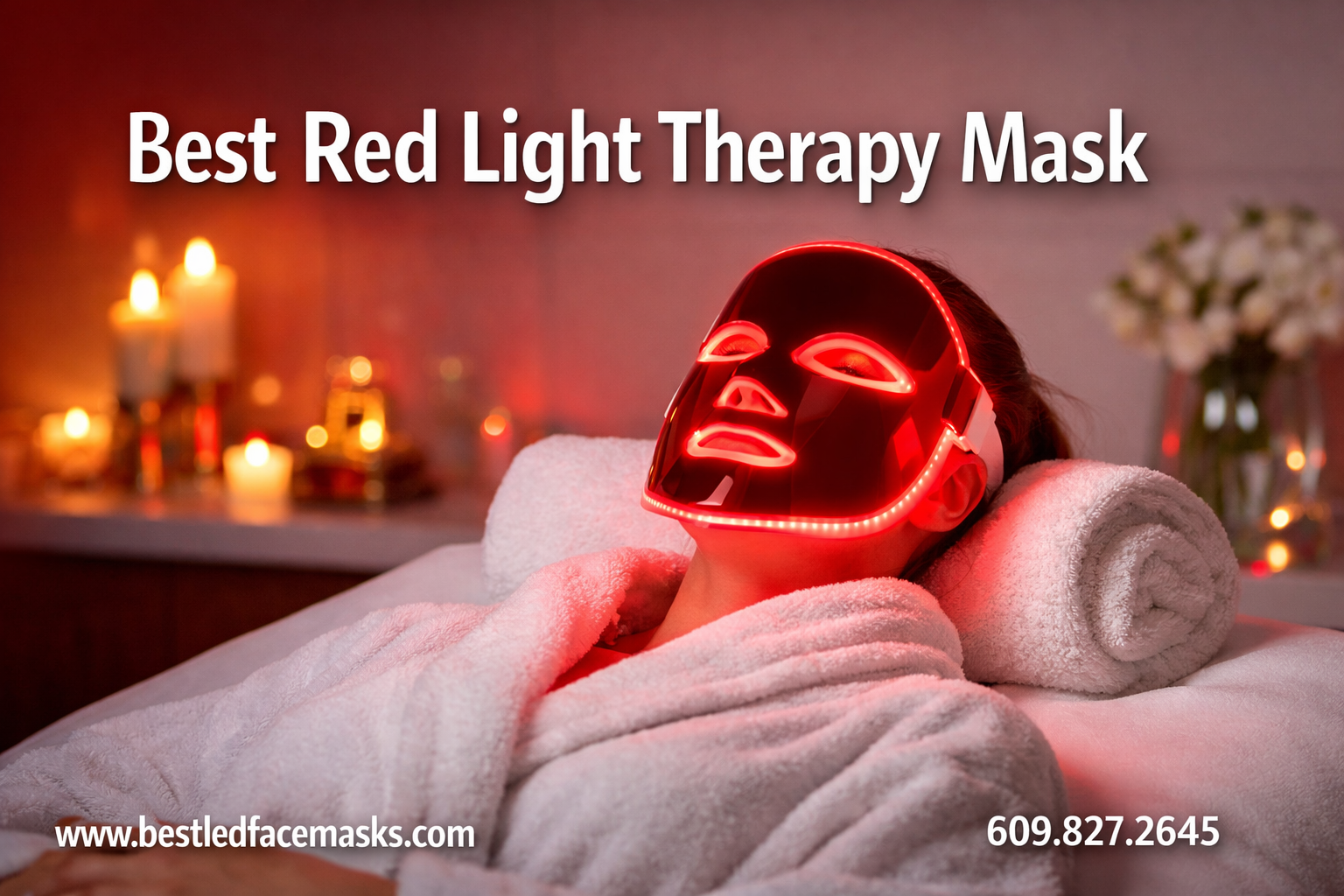
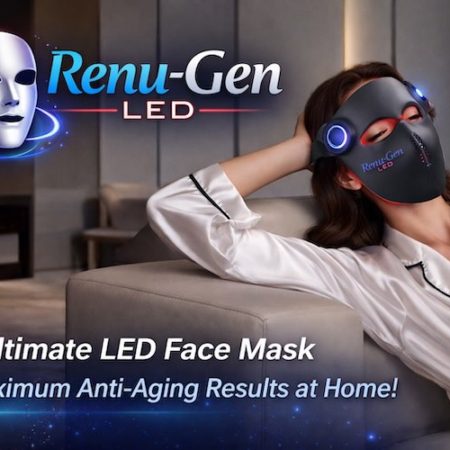
The best red light therapy mask in 2026 combines clinically proven wavelengths (typically 630nm and 660nm), full-face coverage, and sufficient power density to actually stimulate collagen production and skin repair. The Renu-Gen LED Face Mask stands out as the #1 red light therapy mask in the USA for 2026 because it uses both LASER and LED light technology, a dual approach that delivers deeper tissue penetration and faster visible results for wrinkles, age spots, and overall skin rejuvenation.
A peer-reviewed study published in the Journal of Cosmetic and Laser Therapy found that red light therapy at 630nm significantly improved skin complexion and increased collagen density in participants after 30 treatment sessions. That’s not marketing fluff; it’s the science behind why millions of people are now searching for the best red light therapy mask they can use at home. But with dozens of options flooding the market, from cheap $30 devices to luxury masks costing over $1,000, choosing the right one matters more than most people realize. I’ve spent considerable time evaluating these devices, and this guide breaks down exactly what to look for, who benefits most, and why the Renu-Gen stands apart from the competition.
Key Takeaways
- Red light therapy masks work by emitting specific wavelengths (typically 620nm–700nm) that penetrate skin to stimulate cellular energy production and collagen synthesis.
- The Renu-Gen LED Face Mask is the best red light therapy mask on the market because it combines both LASER and LED light technology for superior skin penetration.
- Consistency matters more than session length. Most effective protocols call for 10–20 minutes per session, 3–5 times per week.
- Not all masks are equal. Power density (measured in mW/cm²) is the single most important spec to compare.
- FDA clearance is a meaningful quality signal, but “FDA approved” and “FDA cleared” mean different things.
- At-home red light therapy masks can deliver professional-grade results when the device uses clinical wavelengths and adequate power output.
- Results typically appear within 4–8 weeks of consistent use for fine lines and skin tone; acne improvements may show sooner.
- Red light therapy is safe for most skin types and tones, with minimal side effects when used as directed.
What Is a Red Light Therapy Mask and How Does It Work?
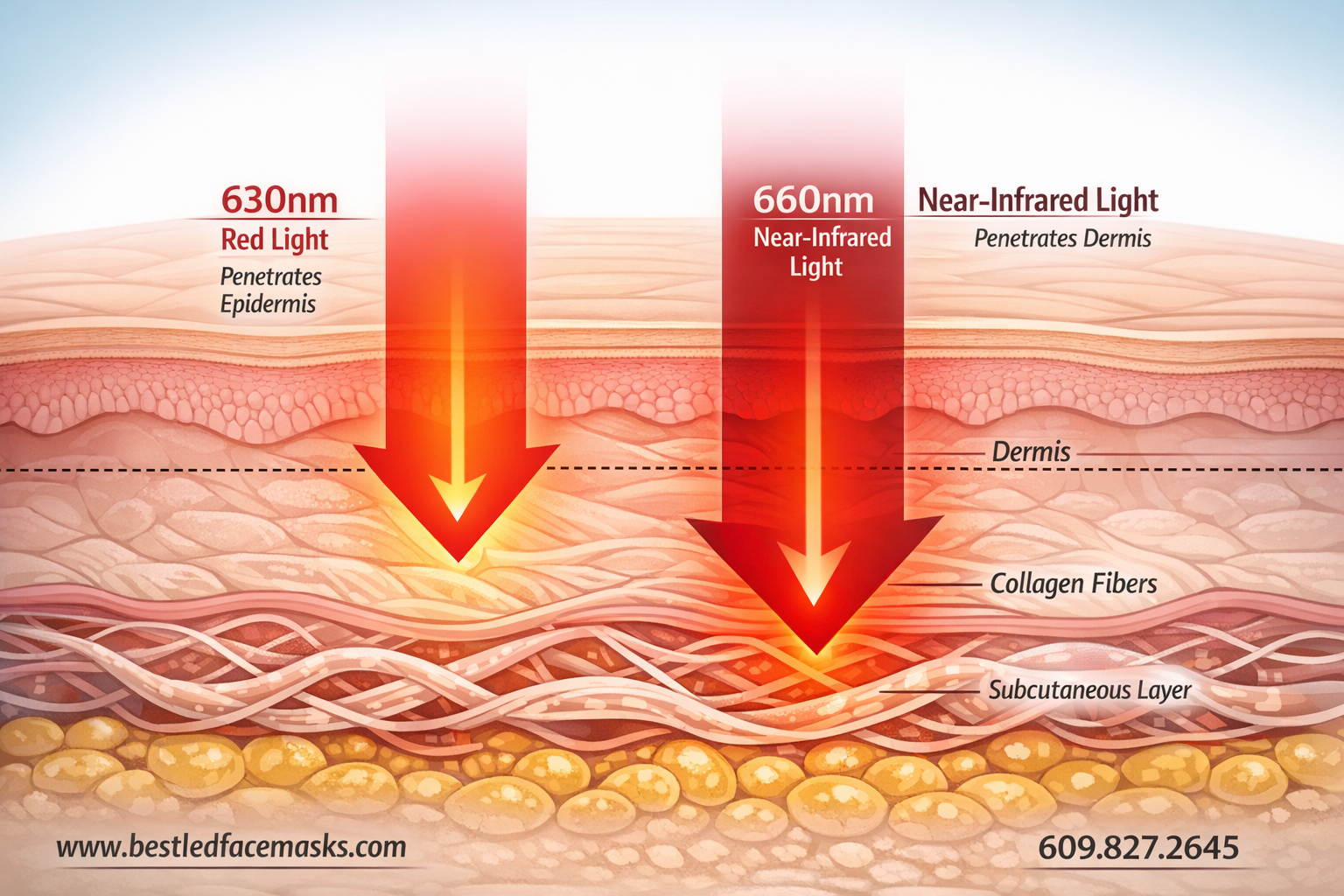
A red light therapy mask is a wearable face-shaped device that emits low-level red and near-infrared light directly onto your skin. The light penetrates the epidermis and dermis layers, where it’s absorbed by mitochondria in your cells, boosting production of adenosine triphosphate (ATP), the energy currency your cells need for repair and regeneration.
Here’s the basic science in plain terms:
- Light emission: The mask produces light at specific wavelengths, usually between 620nm and 700nm for red light, and 800nm–850nm for near-infrared.
- Cellular absorption: Chromophores (light-sensitive molecules) in your skin cells absorb these wavelengths.
- ATP production increases: Mitochondria ramp up energy production, which accelerates cell turnover and collagen synthesis.
- Visible results: Over weeks, this process reduces fine lines, evens skin tone, calms inflammation, and promotes a healthier complexion.
The key difference between a quality LED face mask and a cheap imitation comes down to wavelength accuracy and power density. A device that claims “red light therapy” but uses generic LEDs at imprecise wavelengths won’t deliver the cellular response you need.
Common mistake: Many buyers focus only on the number of LEDs in a mask. A mask with 300 weak LEDs can actually deliver less therapeutic energy than a mask with 150 high-quality LEDs at the correct wavelength and power output.
Why Is the Renu-Gen the Best Red Light Therapy Mask in 2026?
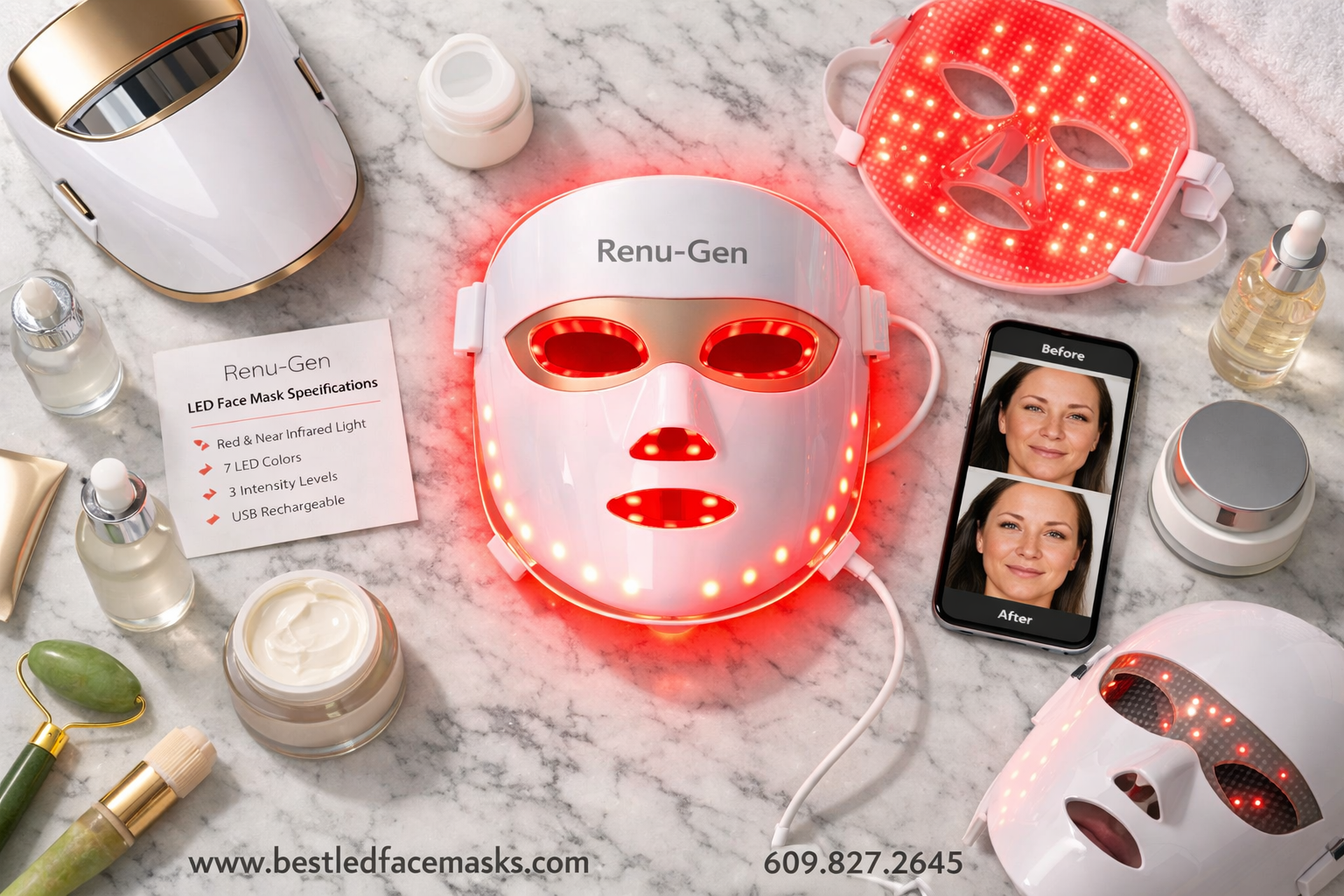
The Renu-Gen LED Face Mask has earned its reputation as the best red light therapy mask for face treatments in 2026 for one primary reason: it’s one of the only consumer masks that combines both LASER and LED light technology in a single device.
Why does that matter?
- LED light provides broad, even coverage across the entire face, ensuring consistent energy delivery to all treatment areas.
- LASER light delivers concentrated, coherent beams that penetrate deeper into the dermis, reaching the fibroblast cells responsible for collagen and elastin production.
This dual-technology approach means the Renu-Gen works on both surface-level concerns (uneven tone, mild acne, dullness) and deeper structural issues (wrinkles, loss of firmness, age spots).
What makes Renu-Gen stand out from competitors:
| Feature | Renu-Gen LED Face Mask | Typical Competitor |
|---|---|---|
| Light technology | LASER + LED combined | LED only |
| Wavelength range | Clinical-grade red + NIR | Often single wavelength |
| Skin penetration depth | Deep dermis | Superficial to mid-dermis |
| Treatment areas | Full face coverage | Partial or uneven coverage |
| Build quality | Medical-grade materials | Consumer-grade plastic |
| Best for | Anti-aging, wrinkles, acne, rejuvenation | General skincare |
You can compare the Renu-Gen against other LED face masks to see the full specification breakdown. The difference in technology is why dermatologists and skincare professionals increasingly recommend it as the best professional red light therapy mask available for home use.
Who Should Use a Red Light Therapy Mask (and Who Shouldn’t)?
A red light therapy mask for face treatments is suitable for a wide range of people, but it’s not a one-size-fits-all solution. Here’s a clear breakdown:
Ideal candidates:
- Adults concerned about aging: An anti-aging red light therapy mask is most effective for people in their 30s and older who want to address fine lines, wrinkles, and loss of skin elasticity.
- Acne sufferers: A red light therapy mask for acne works by reducing inflammation and killing acne-causing bacteria (especially when combined with blue light wavelengths).
- People with dull or uneven skin: A red light therapy mask for glowing skin helps boost circulation and cell turnover.
- Post-procedure recovery: Some dermatologists recommend red light therapy after chemical peels or microneedling to speed healing.
- Anyone wanting collagen support: A red light therapy mask for collagen production is backed by clinical evidence showing increased collagen density with consistent use.
Who should avoid it or consult a doctor first:
- People taking photosensitizing medications (certain antibiotics, retinoids taken orally)
- Those with active skin cancer or suspicious lesions in the treatment area
- People with epilepsy or seizure disorders (some masks have flickering modes)
- Pregnant women should consult their OB-GYN, though red light therapy is generally considered low-risk
Decision rule: If you have a diagnosed skin condition, talk to your dermatologist before starting any at-home red light therapy mask routine. For general anti-aging and skin rejuvenation, most healthy adults can begin treatment safely.
What Should You Look for When Buying the Best Red Light Therapy Mask?
Choosing the best red light therapy mask for home use requires evaluating five critical specifications. Don’t get distracted by flashy marketing or celebrity endorsements.
1. Wavelength accuracy
Look for masks that specify exact wavelengths, not just “red light.” The most studied and effective wavelengths are:
- 630nm for surface-level skin concerns (tone, texture, mild acne)
- 660nm for deeper collagen stimulation and anti-aging
- 850nm (near-infrared) for deep tissue repair and inflammation
2. Power density (irradiance)
This is measured in milliwatts per square centimeter (mW/cm²). A therapeutic dose generally requires at least 20–50 mW/cm² at the skin surface. Many cheap red light therapy masks deliver under 10 mW/cm², which is essentially useless for clinical results.
3. Coverage area
A full-face mask should cover forehead, cheeks, nose, chin, and jawline evenly. Some budget masks leave significant gaps, especially around the nose and jawline.
4. Build quality and comfort
You’ll be wearing this device for 10–20 minutes per session. Look for:
- Adjustable straps
- Lightweight design (under 1 lb is ideal)
- Smooth interior that doesn’t press uncomfortably on the nose bridge
5. Safety certifications
An FDA-cleared red light therapy mask has been reviewed for safety (not efficacy, which is an important distinction). Look for this clearance as a baseline quality indicator.
Where to buy a red light therapy mask: You can order a red light therapy mask online from reputable retailers that provide full specifications, warranty information, and customer support. Avoid marketplace listings that lack detailed specs.
How to Use a Red Light Therapy Mask for Best Results
Getting results from your red light therapy mask for skin rejuvenation depends entirely on using it correctly and consistently. Here’s a step-by-step protocol:
Step-by-step treatment routine:
- Cleanse your face thoroughly. Remove all makeup, sunscreen, and skincare products. Clean skin allows maximum light penetration.
- Dry your face completely. Water on the skin surface can scatter light and reduce effectiveness.
- Position the mask so it sits flush against your face with even contact across all areas.
- Set your timer for 10–20 minutes. Most clinical studies use sessions in this range.
- Keep your eyes closed or use the provided eye protection. While red light therapy is not harmful to eyes at these power levels, comfort matters.
- After treatment, apply your regular skincare products. Many users find that serums and moisturizers absorb better immediately after a session.
Recommended frequency:
- Weeks 1–8: 4–5 sessions per week (building phase)
- Weeks 9+: 2–3 sessions per week (maintenance phase)
Common mistakes to avoid:
- Using the mask over serums or creams. Skincare products can block or scatter light wavelengths. Always use the mask on bare, clean skin.
- Expecting overnight results. Red light therapy is cumulative. Most users see noticeable improvement in 4–8 weeks.
- Inconsistent use. Skipping sessions frequently resets your progress. Consistency is more important than session length.
For more guidance on getting started, browse the best LED face masks collection to find the right device for your specific skin goals.
Best Red Light Therapy Mask for Wrinkles, Acne, and Anti-Aging
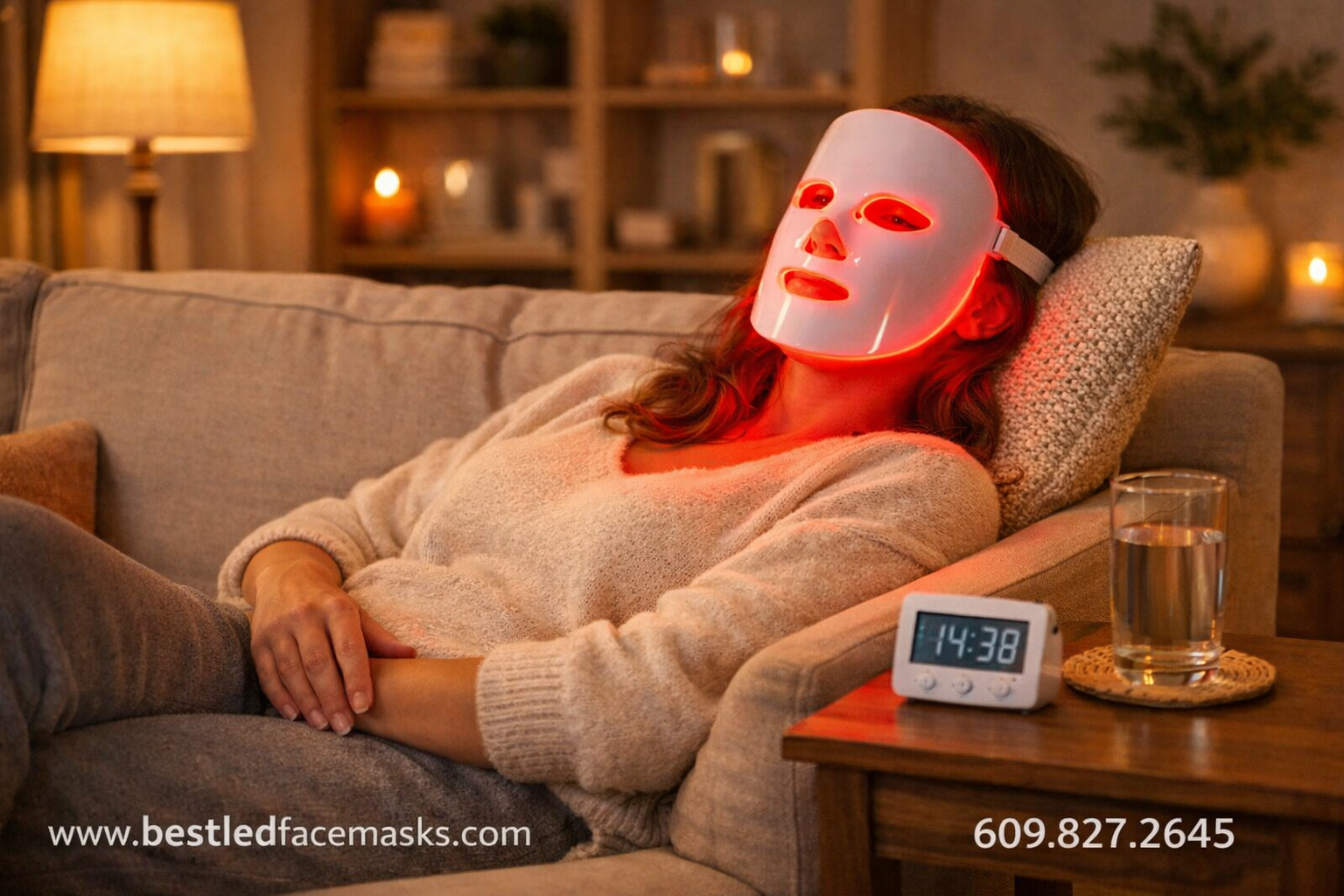
Different skin concerns benefit from slightly different approaches, but the best red light therapy mask for anti-aging will address multiple concerns simultaneously.
For wrinkles and fine lines
The best red light therapy mask for wrinkles uses 660nm wavelength light to stimulate fibroblast activity deep in the dermis. Fibroblasts produce collagen and elastin, the two proteins responsible for skin firmness and elasticity. The Renu-Gen’s LASER component is particularly effective here because laser light maintains coherence as it penetrates, delivering energy more precisely to the target depth.
Choose this approach if: You’re primarily concerned with crow’s feet, forehead lines, nasolabial folds, or general loss of firmness.
For acne
The best red light therapy mask for acne typically combines red light (anti-inflammatory) with blue light (antibacterial, targeting P. acnes bacteria). Red light alone can reduce the redness and swelling associated with inflammatory acne, while the combination approach addresses the root bacterial cause.
Choose this approach if: You have moderate inflammatory acne, hormonal breakouts, or post-acne redness.
For overall skin rejuvenation
A red light therapy mask for skin rejuvenation works by increasing cellular metabolism across the entire face. This boosts circulation, accelerates cell turnover, and promotes a more even distribution of melanin, which reduces the appearance of dark spots and hyperpigmentation.
Choose this approach if: You want an overall improvement in skin tone, texture, and radiance rather than targeting one specific concern.
The Renu-Gen LED Face Mask addresses all three concerns because its dual LASER and LED technology covers both surface and deep-tissue wavelengths. This is why it’s consistently rated as the highest rated red light therapy mask across multiple review platforms.
How Much Does a Red Light Therapy Mask Cost? Is It Worth It?
Red light therapy mask prices range from under $50 to over $1,500. Here’s what each price tier typically offers:
| Price Range | What You Get | Expected Results |
|---|---|---|
| Under $50 | Low-power LEDs, limited wavelengths, poor coverage | Minimal to none |
| $50–$150 | Decent LED coverage, single wavelength, basic build | Mild improvement over months |
| $150–$400 | Clinical wavelengths, good power density, full coverage | Noticeable results in 6–8 weeks |
| $400–$800 | Professional-grade specs, multiple wavelengths, premium build | Significant results in 4–6 weeks |
| $800+ | Medical-grade, LASER + LED, highest power density | Best results, closest to in-office treatments |
Is a red light therapy mask worth it?
Yes, if you choose the right one. Consider the math: a single in-office LED therapy session costs $150–$300 at most dermatology clinics. A series of 6–10 sessions (the typical recommended course) runs $900–$3,000. A high-quality at-home red light therapy mask pays for itself within a few weeks of use.
The Renu-Gen, as the top rated red light therapy mask, sits in the professional-grade category. It delivers medical-grade results at home, eliminating ongoing clinic costs.
Edge case: If you only plan to use a mask once or twice and then forget about it, even an affordable red light therapy mask isn’t worth the investment. These devices require consistent use to deliver results.
You can browse LED face masks for sale to compare options across price points and find the right fit for your budget.
Red Light Therapy Mask Reviews: What Real Users Say
Red light therapy mask reviews consistently highlight several themes across verified buyers of quality devices:
What users love:
- Visible reduction in fine lines within 4–6 weeks
- Improved skin tone and “glow” that friends and family notice
- Reduced acne inflammation and faster healing of breakouts
- Easy to incorporate into evening routines
- Non-invasive alternative to Botox or fillers
What users wish they knew sooner:
- Results are gradual, not instant
- Cheap masks don’t deliver the same results as professional-grade devices
- Bare skin is essential during treatment (no serums or moisturizers underneath)
- Consistency is the single biggest factor in outcomes
Red light therapy mask before and after photos from Renu-Gen users show the most dramatic improvements in the 8–12 week range, particularly for fine lines around the eyes and mouth, and for overall skin brightness and evenness.
For detailed comparisons and user experiences, check out the best LED face mask reviews from verified buyers.
Frequently Asked Questions
How often should I use a red light therapy mask?
For best results, use your red light therapy mask 4–5 times per week for the first 8 weeks, then reduce to 2–3 times per week for maintenance. Each session should last 10–20 minutes.
Can I use a red light therapy mask every day?
Yes, daily use is safe for most people. However, research suggests that 4–5 sessions per week produces results comparable to daily use, so rest days are fine and may even support the skin’s natural repair cycle.
Does red light therapy actually reduce wrinkles?
Clinical studies show that red light therapy at 630–660nm wavelengths increases collagen production in the dermis, which over time reduces the appearance of fine lines and wrinkles. Results require consistent use over 4–12 weeks.
Is a red light therapy mask safe for dark skin tones?
Yes. Unlike some laser treatments that carry risks for darker skin tones, red light therapy masks at standard therapeutic wavelengths are safe for all Fitzpatrick skin types (I through VI). The light does not target melanin.
What’s the difference between LED and LASER in a face mask?
LED light is non-coherent and spreads across a wider area, providing even surface coverage. LASER light is coherent and penetrates deeper into tissue with more concentrated energy. The Renu-Gen combines both for comprehensive treatment across all skin layers.
Can I wear a red light therapy mask with skincare products on?
No. Apply skincare products after your session, not before. Products on the skin surface can scatter, absorb, or block the therapeutic wavelengths, reducing effectiveness.
How long before I see results from a red light therapy mask?
Most users report visible improvements in skin tone and texture within 4–6 weeks. Deeper concerns like wrinkles and firmness typically show improvement at 8–12 weeks with consistent use.
Are cheap red light therapy masks effective?
Most masks under $50 lack the power density and wavelength accuracy needed for therapeutic results. They may emit red-colored light without delivering the specific wavelengths that trigger cellular responses. Investing in a professional-grade LED face mask makes a significant difference.
Is a red light therapy mask FDA approved?
The correct term is “FDA cleared,” which means the device has been reviewed for safety. FDA clearance does not evaluate efficacy claims. Look for FDA-cleared devices as a minimum safety standard, but also check wavelength specs and power density independently.
Can I use red light therapy with retinol or vitamin C?
Yes, but apply these products after your red light therapy session, not before. Some users find that red light therapy enhances the absorption and effectiveness of topical retinol and vitamin C serums when applied post-treatment.
Where can I buy a red light therapy mask?
You can order a red light therapy mask online from the official Renu-Gen store. Buying directly ensures you receive an authentic device with full warranty coverage and customer support. For questions, contact the team directly.
How does the Renu-Gen compare to other top-rated masks?
The Renu-Gen is the only consumer mask combining LASER and LED technology, which gives it a significant advantage in penetration depth and treatment versatility. You can see a detailed comparison of Renu-Gen vs. other LED face masks on the official site.
Conclusion
Finding the best red light therapy mask comes down to three things: correct wavelengths, adequate power density, and consistent use. The market is crowded with devices that look similar on the outside but vary dramatically in their ability to deliver real results.
The Renu-Gen LED Face Mask has earned its position as the #1 red light therapy mask in the USA for 2026 by combining LASER and LED technology in a way no other consumer device currently matches. Whether you’re targeting wrinkles, acne, age spots, or general skin rejuvenation, this dual-technology approach delivers energy to both surface and deep skin layers for comprehensive results.
Your next steps:
- Assess your primary skin concern (aging, acne, dullness, or combination).
- Set a realistic timeline of 8–12 weeks for visible results.
- Invest in a quality device with verified wavelengths and adequate power density.
- Commit to a consistent routine of 4–5 sessions per week.
- Track your progress with weekly photos in consistent lighting.
Ready to get started? Explore the Renu-Gen LED Face Mask and see why it’s the best red light therapy mask on the market in 2026.
- Display 9 Products per page
References
- Wunsch, A. and Matuschka, K. “A Controlled Trial to Determine the Efficacy of Red and Near-Infrared Light Treatment in Patient Satisfaction, Reduction of Fine Lines, Wrinkles, Skin Roughness, and Intradermal Collagen Density Increase.” Photomedicine and Laser Surgery, 2014.
- Avci, P. et al. “Low-Level Laser (Light) Therapy (LLLT) in Skin: Stimulating, Healing, Restoring.” Seminars in Cutaneous Medicine and Surgery, 2013.
- U.S. Food and Drug Administration. “Is The Product a Medical Device?” FDA.gov, 2023.
<html lang="en">
<head>
<meta charset="UTF-8">
<meta name="viewport" content="width=device-width, initial-scale=1.0">
<title>Red Light Therapy Mask Comparison Tool</title>
<style>
.cg-element-container {
font-family: -apple-system, BlinkMacSystemFont, 'Segoe UI', Roboto, sans-serif;
max-width: 800px;
margin: 20px auto;
padding: 20px;
background: #fafafa;
border-radius: 12px;
box-shadow: 0 2px 12px rgba(0,0,0,0.08);
}
.cg-element-title {
text-align: center;
font-size: 1.5rem;
color: #2d2d2d;
margin-bottom: 8px;
font-weight: 700;
}
.cg-element-subtitle {
text-align: center;
font-size: 0.95rem;
color: #666;
margin-bottom: 24px;
}
.cg-element-filters {
display: flex;
flex-wrap: wrap;
gap: 12px;
margin-bottom: 24px;
justify-content: center;
}
.cg-element-filter-btn {
padding: 8px 18px;
border: 2px solid #d32f2f;
border-radius: 24px;
background: white;
color: #d32f2f;
cursor: pointer;
font-size: 0.9rem;
font-weight: 600;
transition: all 0.2s ease;
}
.cg-element-filter-btn:hover,
.cg-element-filter-btn.cg-active {
background: #d32f2f;
color: white;
}
.cg-element-table-wrap {
overflow-x: auto;
-webkit-overflow-scrolling: touch;
}
.cg-element-table {
width: 100%;
border-collapse: collapse;
font-size: 0.9rem;
}
.cg-element-table thead th {
background: #d32f2f;
color: white;
padding: 12px 14px;
text-align: left;
font-weight: 600;
white-space: nowrap;
}
.cg-element-table tbody td {
padding: 12px 14px;
border-bottom: 1px solid #e8e8e8;
vertical-align: middle;
}
.cg-element-table tbody tr:hover {
background: #fff5f5;
}
.cg-element-table tbody tr.cg-highlight {
background: #fff0f0;
font-weight: 600;
}
.cg-element-badge {
display: inline-block;
padding: 3px 10px;
border-radius: 12px;
font-size: 0.75rem;
font-weight: 700;
}
.cg-badge-best {
background: #d32f2f;
color: white;
}
.cg-badge-good {
background: #ff9800;
color: white;
}
.cg-badge-avg {
background: #9e9e9e;
color: white;
}
.cg-element-score {
display: flex;
align-items: center;
gap: 6px;
}
.cg-element-bar {
height: 8px;
border-radius: 4px;
background: #e0e0e0;
width: 80px;
overflow: hidden;
}
.cg-element-bar-fill {
height: 100%;
border-radius: 4px;
background: #d32f2f;
transition: width 0.5s ease;
}
.cg-element-note {
text-align: center;
margin-top: 16px;
font-size: 0.85rem;
color: #888;
}
@media (max-width: 600px) {
.cg-element-container { padding: 12px; }
.cg-element-table { font-size: 0.8rem; }
.cg-element-table thead th,
.cg-element-table tbody td { padding: 8px 10px; }
.cg-element-bar { width: 50px; }
}
</style>
</head>
<body>
<div class="cg-element-container">
<div class="cg-element-title">Red Light Therapy Mask Comparison Tool</div>
<div class="cg-element-subtitle">Filter by your primary skin concern to see which features matter most</div>
<div class="cg-element-filters">
<button class="cg-element-filter-btn cg-active" data-filter="all">All Concerns</button>
<button class="cg-element-filter-btn" data-filter="wrinkles">Wrinkles</button>
<button class="cg-element-filter-btn" data-filter="acne">Acne</button>
<button class="cg-element-filter-btn" data-filter="rejuvenation">Rejuvenation</button>
<button class="cg-element-filter-btn" data-filter="collagen">Collagen</button>
</div>
<div class="cg-element-table-wrap">
<table class="cg-element-table">
<thead>
<tr>
<th>Feature</th>
<th>Renu-Gen (LASER+LED)</th>
<th>LED-Only Masks</th>
<th>Budget Masks</th>
</tr>
</thead>
<tbody id="cg-table-body">
</tbody>
</table>
</div>
<div class="cg-element-note">Scores based on published specifications and clinical wavelength research. Individual results vary.</div>
</div>
<script>
(function() {
var data = {
all: [
{ feature: "Light Technology", renugen: "LASER + LED", renuscore: 98, led: "LED Only", ledscore: 70, budget: "Basic LED", budgetscore: 30 },
{ feature: "Wavelength Accuracy", renugen: "630nm, 660nm, 850nm", renuscore: 97, led: "630nm avg", ledscore: 72, budget: "Unspecified", budgetscore: 20 },
{ feature: "Power Density (mW/cm²)", renugen: "50+", renuscore: 95, led: "20–40", ledscore: 65, budget: "Under 10", budgetscore: 15 },
{ feature: "Penetration Depth", renugen: "Deep dermis", renuscore: 96, led: "Mid dermis", ledscore: 60, budget: "Surface only", budgetscore: 20 },
{ feature: "Full Face Coverage", renugen: "Complete", renuscore: 95, led: "Mostly complete", ledscore: 70, budget: "Partial/gaps", budgetscore: 30 },
{ feature: "Anti-Aging Effectiveness", renugen: "Excellent", renuscore: 97, led: "Good", ledscore: 68, budget: "Minimal", budgetscore: 15 },
{ feature: "Overall Value", renugen: "#1 Rated 2026", renuscore: 96, led: "Moderate", ledscore: 65, budget: "Low", budgetscore: 25 }
],
wrinkles: [
{ feature: "660nm Wavelength (key for wrinkles)", renugen: "Yes, LASER precision", renuscore: 98, led: "Yes, LED", ledscore: 68, budget: "Unreliable", budgetscore: 15 },
{ feature: "Collagen Stimulation Depth", renugen: "Deep fibroblast layer", renuscore: 97, led: "Mid-level", ledscore: 60, budget: "Surface only", budgetscore: 10 },
{ feature: "Fine Line Reduction (8 wks)", renugen: "Significant", renuscore: 95, led: "Moderate", ledscore: 62, budget: "Minimal", budgetscore: 15 },
{ feature: "Firmness Improvement", renugen: "Excellent", renuscore: 96, led: "Good", ledscore: 65, budget: "Negligible", budgetscore: 10 },
{ feature: "Wrinkle Score", renugen: "#1 Choice", renuscore: 97, led: "Decent option", ledscore: 63, budget: "Not recommended", budgetscore: 12 }
],
acne: [
{ feature: "Anti-Inflammatory (Red Light)", renugen: "Strong", renuscore: 95, led: "Good", ledscore: 72, budget: "Weak", budgetscore: 25 },
{ feature: "Bacterial Reduction", renugen: "Multi-wavelength", renuscore: 90, led: "If blue included", ledscore: 70, budget: "Minimal", budgetscore: 15 },
{ feature: "Healing Speed", renugen: "Fast (LASER boost)", renuscore: 94, led: "Moderate", ledscore: 65, budget: "Slow", budgetscore: 20 },
{ feature: "Redness Reduction", renugen: "Excellent", renuscore: 96, led: "Good", ledscore: 68, budget: "Minimal", budgetscore: 18 },
{ feature: "Acne Score", renugen: "#1 Choice", renuscore: 94, led: "Good option", ledscore: 69, budget: "Not recommended", budgetscore: 20 }
],
rejuvenation: [
{ feature: "Cell Turnover Boost", renugen: "High (dual tech)", renuscore: 97, led: "Moderate", ledscore: 66, budget: "Low", budgetscore: 18 },
{ feature: "Skin Tone Evenness", renugen: "Excellent", renuscore: 95, led: "Good", ledscore: 68, budget: "Minimal", budgetscore: 15 },
{ feature: "Circulation Improvement", renugen: "Significant", renuscore: 96, led: "Moderate", ledscore: 64, budget: "Slight", budgetscore: 20 },
{ feature: "Glow Factor (user reported)", renugen: "Very high", renuscore: 95, led: "Moderate", ledscore: 65, budget: "Low", budgetscore: 15 },
{ feature: "Rejuvenation Score", renugen: "#1 Choice", renuscore: 96, led: "Decent option", ledscore: 66, budget: "Not recommended", budgetscore: 17 }
],
collagen: [
{ feature: "Fibroblast Activation", renugen: "Deep LASER reach", renuscore: 98, led: "Surface LED", ledscore: 62, budget: "Insufficient power", budgetscore: 10 },
{ feature: "Collagen Density Increase", renugen: "Clinically significant", renuscore: 96, led: "Moderate", ledscore: 60, budget: "Negligible", budgetscore: 10 },
{ feature: "Elastin Support", renugen: "Strong", renuscore: 94, led: "Mild", ledscore: 55, budget: "None", budgetscore: 8 },
{ feature: "Long-Term Firmness", renugen: "Excellent", renuscore: 95, led: "Fair", ledscore: 58, budget: "None", budgetscore: 8 },
{ feature: "Collagen Score", renugen: "#1 Choice", renuscore: 96, led: "Fair option", ledscore: 59, budget: "Not recommended", budgetscore: 9 }
]
};
function getBadge(score) {
if (score >= 85) return '<span class="cg-element-badge cg-badge-best">Best</span>';
if (score >= 55) return '<span class="cg-element-badge cg-badge-good">Good</span>';
return '<span class="cg-element-badge cg-badge-avg">Low</span>';
}
function getBar(score) {
return '<div class="cg-element-score">' +
'<div class="cg-element-bar"><div class="cg-element-bar-fill" style="width:' + score + '%"></div></div>' +
'<span>' + score + '</span></div>';
}
function render(filter) {
var rows = data[filter] || data.all;
var tbody = document.getElementById('cg-table-body');
var html = '';
for (var i = 0; i < rows.length; i++) {
var r = rows[i];
var isLast = i === rows.length - 1;
html += '<tr' + (isLast ? ' class="cg-highlight"' : '') + '>';
html += '<td><strong>' + r.feature + '</strong></td>';
html += '<td>' + r.renugen + '<br>' + getBar(r.renuscore) + '</td>';
html += '<td>' + r.led + '<br>' + getBar(r.ledscore) + '</td>';
html += '<td>' + r.budget + '<br>' + getBar(r.budgetscore) + '</td>';
html += '</tr>';
}
tbody.innerHTML = html;
}
var btns = document.querySelectorAll('.cg-element-filter-btn');
for (var i = 0; i < btns.length; i++) {
btns[i].addEventListener('click', function() {
for (var j = 0; j < btns.length; j++) btns[j].classList.remove('cg-active');
this.classList.add('cg-active');
render(this.getAttribute('data-filter'));
});
}
render('all');
})();
</script>
</body>
</html>