
Last updated: April 13, 2026
Quick Answer
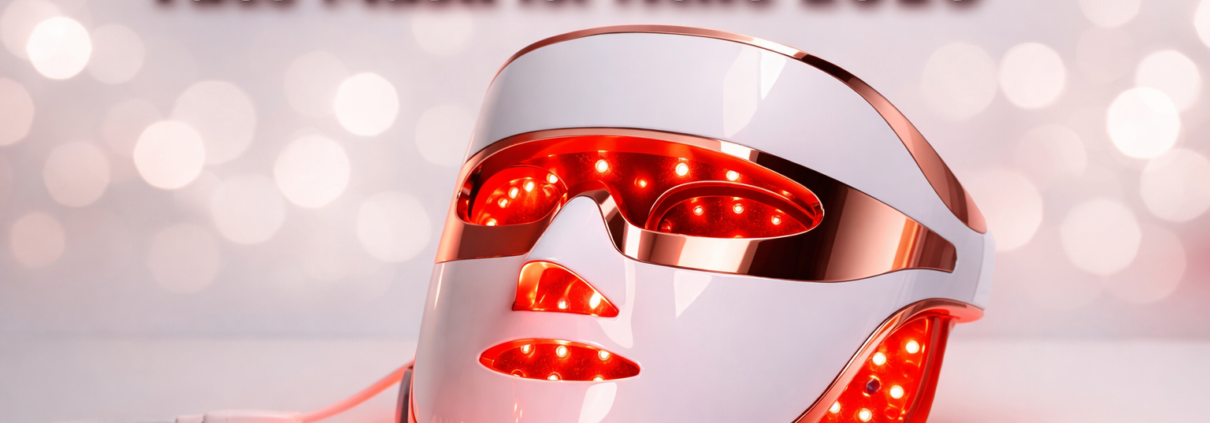
The best red light therapy face mask for acne uses wavelengths in the 630–660nm (red) and 850nm (near-infrared) range to reduce inflammation, kill acne-causing bacteria, and promote skin healing. Masks that combine LED and laser diode technology — like the Renu-Gen — penetrate deeper into the skin than standard LED-only devices, making them more effective for persistent or cystic acne. Most users see noticeable improvement within 4–8 weeks of consistent use (3–5 sessions per week).
Key Takeaways
- 🔴 Red light (630–660nm) reduces inflammation and supports collagen production; near-infrared (850nm) penetrates deeper to accelerate healing.
- 🦠 Blue light (415–430nm) targets Cutibacterium acnes bacteria directly — the best masks for acne combine red and blue wavelengths.
- 💡 LED + laser hybrid masks like the Renu-Gen deliver more consistent light energy across all skin layers compared to LED-only competitors.
- ⏱️ Typical treatment protocol: 10–20 minutes per session, 3–5 times per week, for 4–8 weeks minimum.
- 💰 Price range: At-home masks range from roughly $50 (basic LED panels) to $500+ for clinical-grade hybrid devices.
- ✅ Safe for most skin types, but people with photosensitivity disorders or on certain medications should consult a doctor first.
- 📊 Consistency matters more than intensity — skipping sessions is the most common reason people don't see results.
- 🏆 The Renu-Gen is widely regarded as the #1 LED face mask for acne, anti-aging, and skin rejuvenation due to its dual LED + laser technology.
What Is Red Light Therapy and How Does It Treat Acne?
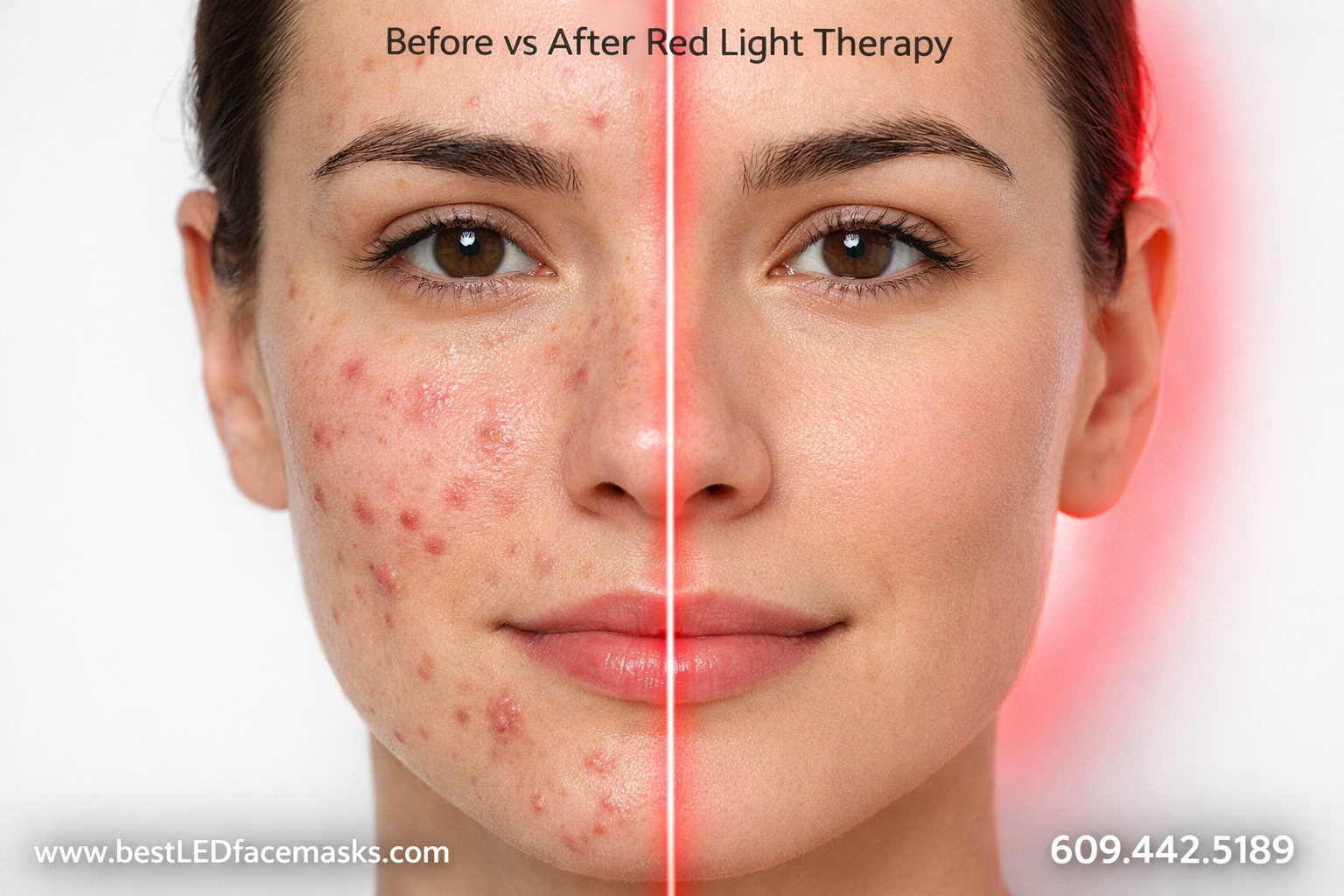
Red light therapy (RLT) uses specific wavelengths of light to stimulate cellular activity in the skin without generating heat or UV radiation. For acne, it works through two main mechanisms: reducing the inflammation that makes breakouts worse, and supporting the skin's natural repair process.
Here's what happens at the cellular level:
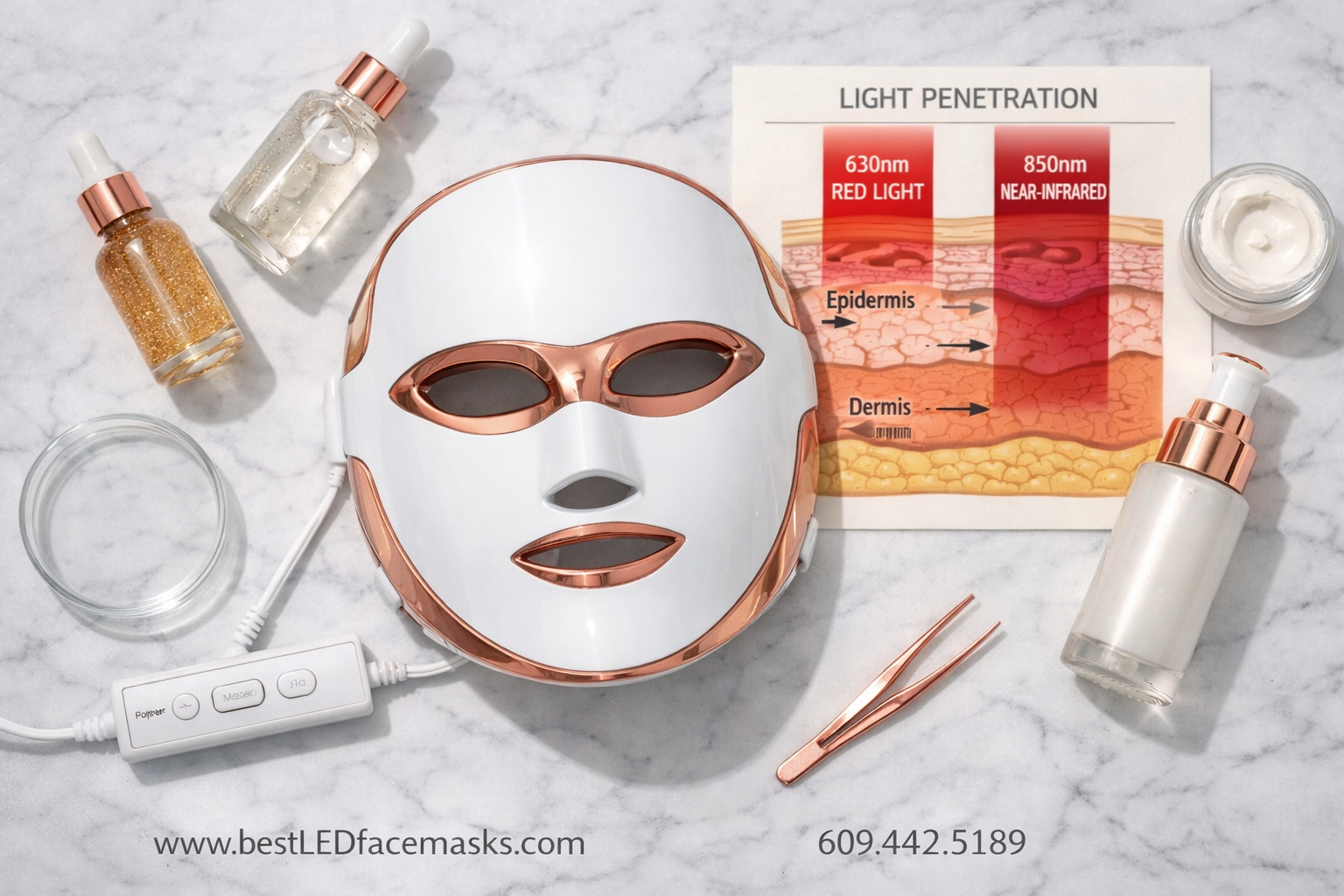
- Red light (630–660nm) penetrates the outer skin layers, reducing cytokine-driven inflammation and triggering mitochondrial activity that speeds up cell repair.
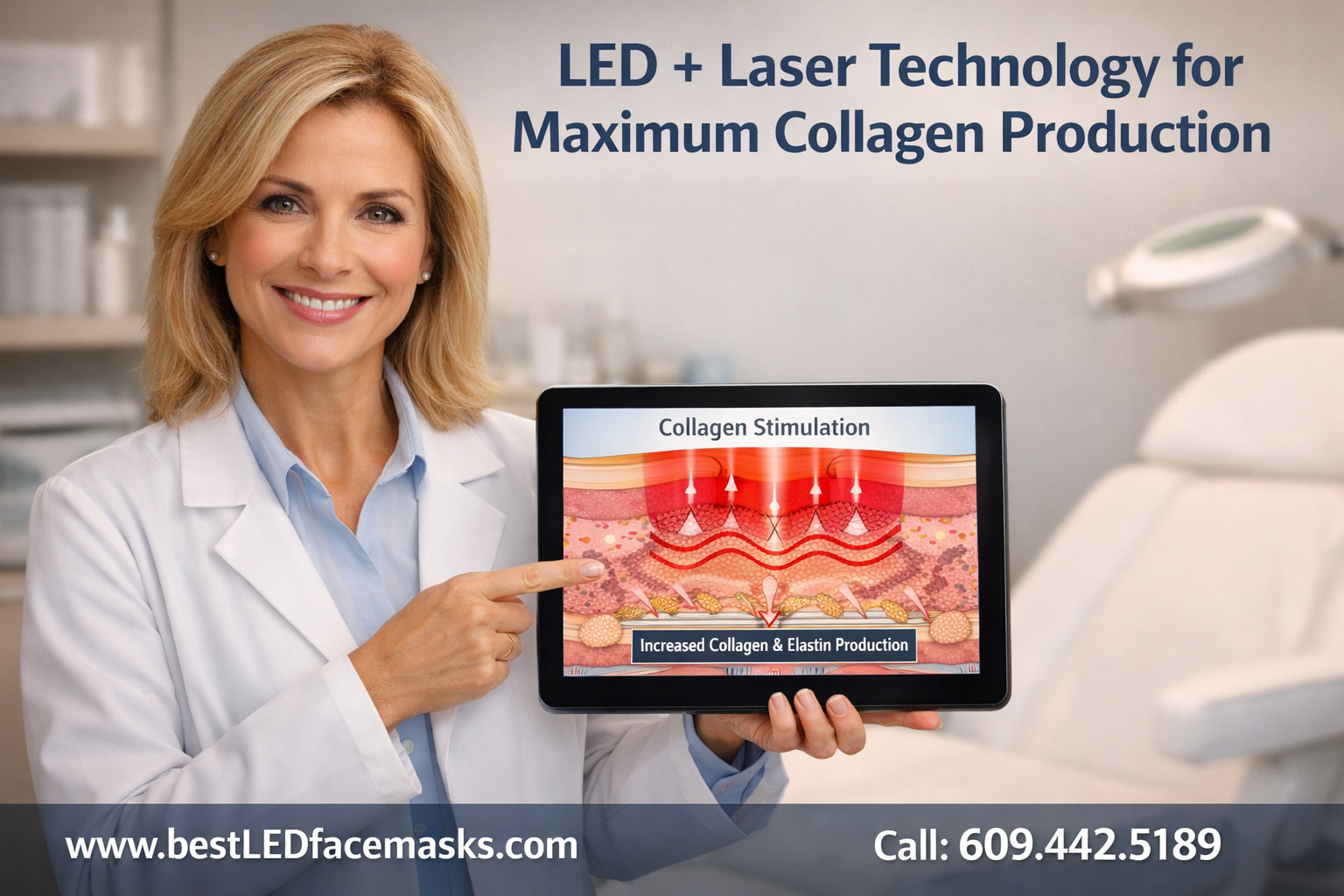
- Near-infrared light (850nm) goes deeper into the dermis, stimulating fibroblasts to produce more collagen and elastin — which helps heal acne scarring.
- Blue light (415nm), when included in a mask, directly targets and destroys Cutibacterium acnes bacteria, the primary driver of inflammatory acne.
A 2016 review published in the Journal of Clinical and Aesthetic Dermatology found that LED phototherapy using red and blue light combinations produced statistically significant reductions in acne lesion counts compared to control groups. (Avci et al., 2013, referenced in multiple subsequent reviews.)
Key point: Red light alone won't kill acne bacteria. For active breakouts, you want a mask that includes blue light plus red and near-infrared wavelengths for a complete treatment approach.
What Makes the Best Red Light Therapy Face Mask for Acne?
The best red light therapy face mask for acne delivers the right wavelengths at the right energy density, covers the full face evenly, and is built for consistent daily use. Not all masks on the market meet these criteria.
The five factors that separate good masks from great ones:
| Factor | What to Look For |
|---|---|
| Wavelengths | 630–660nm (red), 850nm (NIR), 415–430nm (blue for acne) |
| Light source | LED + laser diode hybrid for deeper penetration |
| Irradiance | At least 20–40 mW/cm² for therapeutic effect |
| Coverage | Full-face design including forehead, chin, and jaw |
| Build quality | Medical-grade materials, adjustable fit, eye protection |
Choose a basic LED mask if: you have mild, surface-level acne and a limited budget.
Choose a hybrid LED + laser mask if: you have moderate-to-severe acne, acne scarring, or want anti-aging benefits alongside acne treatment.
The Renu-Gen LED face mask stands out because it uses both LED and laser diode technology in a single wearable device. This dual-source approach ensures light energy reaches all layers of the epidermis — not just the surface — for maximum collagen production and faster acne healing.
Why the Renu-Gen Is the #1 LED Face Mask for Acne and Anti-Aging
The Renu-Gen is the top-rated best LED face mask for acne because it combines clinical-grade LED arrays with laser diodes in a single at-home device — a combination that most competitors simply don't offer.
What sets the Renu-Gen apart:
- LED + Laser hybrid technology: Laser diodes produce coherent, focused light that penetrates more uniformly through skin tissue than LED alone. This means better results for deeper acne lesions and scarring.
- Multi-wavelength output: Covers red (630nm), near-infrared (850nm), and blue (415nm) in a single session.
- Full-face coverage: Contoured design reaches the forehead, cheeks, nose, chin, and jaw — areas where acne commonly clusters.
- Collagen stimulation: The near-infrared and laser components actively stimulate fibroblast activity, making the Renu-Gen equally effective as an anti-aging treatment for wrinkle reduction and skin rejuvenation.
- Ease of use: Hands-free, wearable design with simple session timers.
For a direct comparison against competing devices, see the Renu-Gen vs. the rest breakdown — it covers wavelength specs, irradiance levels, and build quality side by side.
The Renu-Gen isn't just marketed as the best red light therapy face mask for acne. Users and skincare professionals consistently recommend it for overall skin health: reducing fine lines, improving skin tone, and accelerating healing after breakouts.
How to Use a Red Light Therapy Face Mask for Acne: Step-by-Step
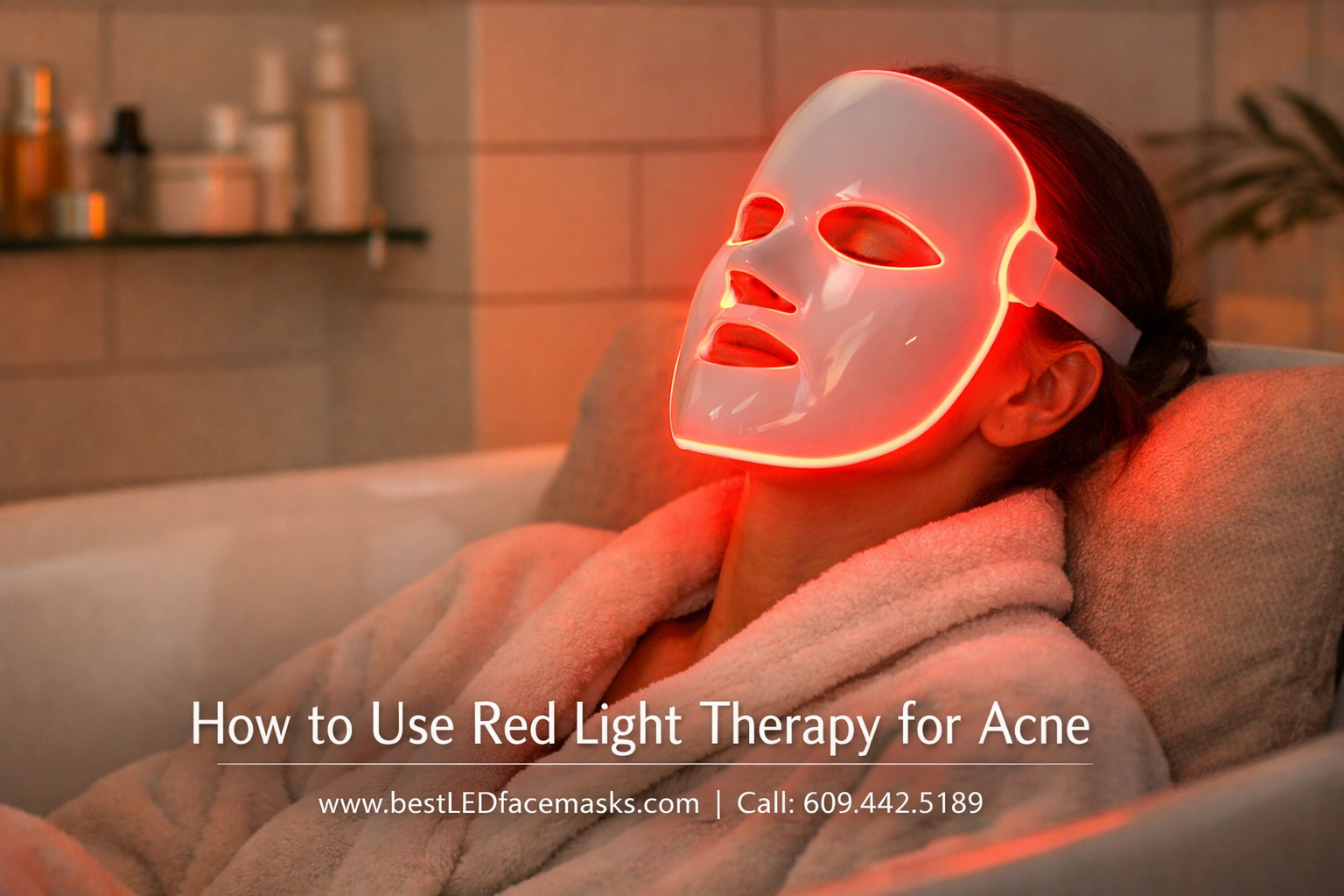
Using a red light therapy mask correctly is straightforward, but the protocol matters. Inconsistent use is the #1 reason people don't see results.
Before your session:
- Cleanse your face thoroughly. Remove all makeup, SPF, and skincare products. Residue can block light penetration.
- Pat skin dry — damp skin is fine, but avoid heavy serums before treatment.
- Put on the included eye protection if your mask doesn't have built-in eye shields.
During your session:
4. Position the mask snugly against your face. Every LED/laser should sit close to the skin surface.
5. Set the timer for 10–20 minutes depending on your device's recommended protocol.
6. Relax. You can lie down or sit upright. Avoid moving the mask significantly during treatment.
After your session:
7. Remove the mask and apply your regular skincare routine — serums and moisturizers absorb especially well immediately after red light therapy.
8. Apply SPF if going outdoors. Treated skin isn't more photosensitive, but SPF is always good practice.
Recommended frequency: 3–5 sessions per week for the first 4–8 weeks. After that, 2–3 maintenance sessions per week.
Common mistake: Treating red light therapy like a one-time fix. It's a cumulative therapy. Cells need repeated stimulation to produce lasting changes in collagen and inflammation levels.
Red Light Therapy vs. Blue Light Therapy for Acne: Which Do You Need?
Red light and blue light treat acne through completely different mechanisms. Most people with active acne benefit from both.
Red light therapy:
- Reduces inflammation around existing breakouts
- Speeds up healing of post-acne marks
- Stimulates collagen to improve skin texture and reduce scarring
- Best for: inflammatory acne, cystic acne, post-acne healing, anti-aging
Blue light therapy:
- Kills Cutibacterium acnes bacteria on and below the skin surface
- Reduces new breakout formation
- Best for: active comedonal and inflammatory acne, oily skin prone to frequent breakouts
The most effective at-home masks combine both. A mask that only emits red light will help with healing and inflammation but won't address the bacterial cause of new breakouts. A mask that only uses blue light won't help with scarring or deeper skin repair.
The best LED face masks for acne — including the Renu-Gen — include both wavelengths so you're treating acne from multiple angles in a single session.
How Does LED + Laser Technology Improve Acne Results?
Standard LED masks emit light in a broad, scattered pattern. Laser diodes, by contrast, emit coherent light — meaning the light waves travel in a focused, uniform direction. This matters for skin penetration.
Why coherent laser light performs differently:
- Laser diodes deliver energy more consistently through the skin's layers, reducing scatter loss.
- Deeper penetration means the near-infrared component reaches the dermis more reliably, where collagen-producing fibroblasts live.
- For acne specifically, deeper penetration helps address sebaceous gland activity — a root cause of oily, acne-prone skin.
This is why the Renu-Gen's hybrid approach produces results that LED-only masks often can't match, especially for users with moderate-to-severe acne or significant scarring. You can browse the full range of LED face masks for sale to compare specifications directly.
How to Choose the Best Red Light Therapy Face Mask for Acne: Buyer's Guide
Choosing the right mask comes down to matching the device's capabilities to your specific skin concerns. Here's a practical decision framework:
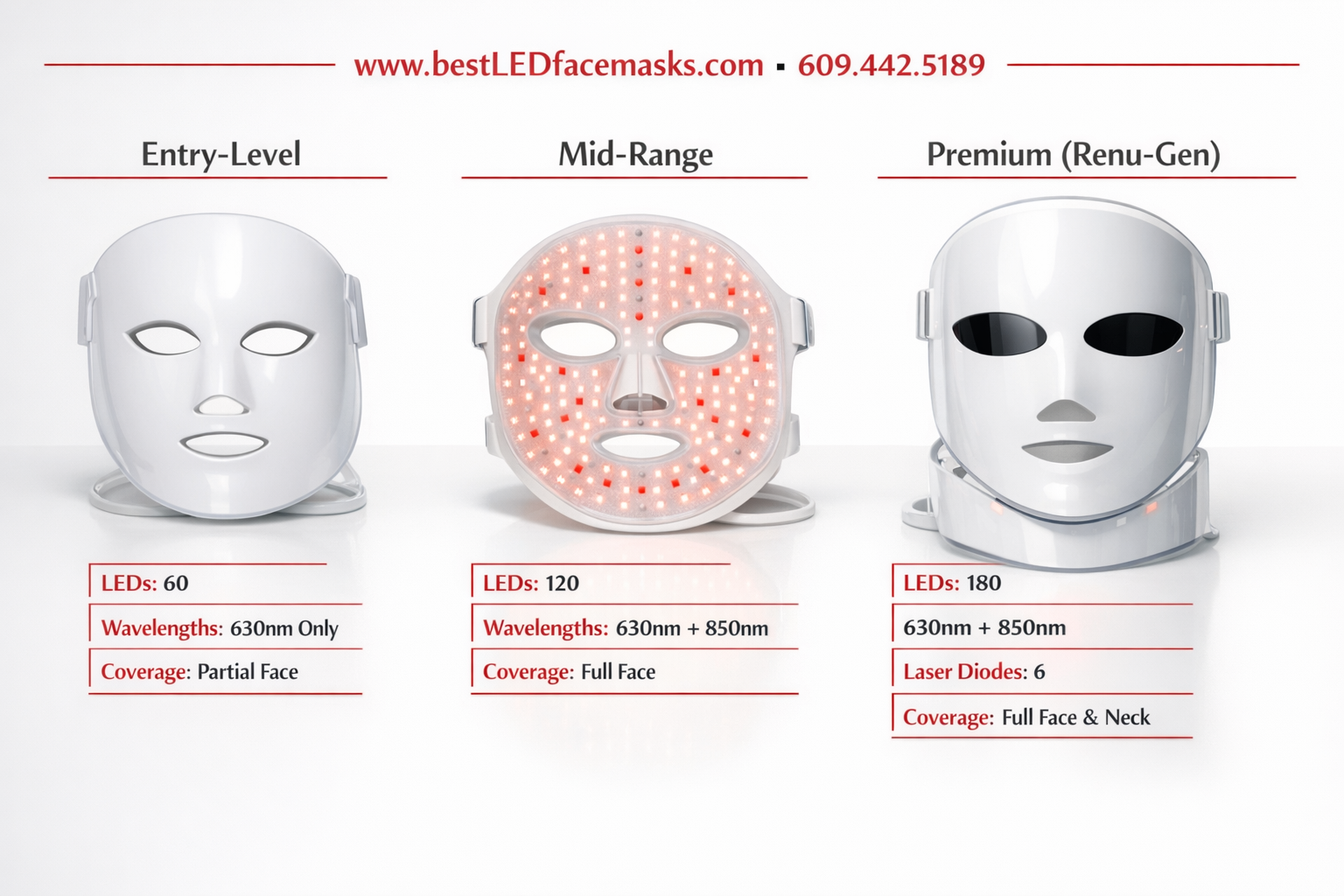
Choose a basic LED mask (under $150) if:
- You have mild, occasional breakouts
- Your primary goal is prevention rather than treatment
- You're new to light therapy and want to test results before investing more
Choose a mid-range LED mask ($150–$300) if:
- You have moderate acne and want multi-wavelength coverage
- You also want some anti-aging benefit alongside acne treatment
- You want a full-face design with consistent coverage
Choose the Renu-Gen or clinical-grade hybrid ($300–$500+) if:
- You have persistent, moderate-to-severe acne
- You have acne scarring you want to address
- You want the best red light therapy face mask for acne and anti-aging in one device
- You want results comparable to professional in-office treatments
Red flags to avoid when shopping:
- No listed wavelength specifications
- Irradiance below 10 mW/cm² (too weak for therapeutic effect)
- No eye protection included or recommended
- Masks that only cover part of the face
For verified options, the Renu-Gen shop lists full specifications so you can compare before buying.
Is Red Light Therapy Safe for Acne-Prone Skin?
Red light therapy is considered safe for most skin types, including sensitive and acne-prone skin. It produces no UV radiation and generates minimal heat. Clinical studies have reported very few adverse effects from at-home LED therapy at recommended intensities.
Who should use caution or consult a doctor first:
- People with photosensitivity disorders (e.g., lupus, porphyria)
- Anyone taking photosensitizing medications (certain antibiotics, retinoids at high doses)
- People with active skin infections other than acne
- Pregnant women (limited safety data, not a known risk but precautionary)
Who it's generally safe for:
- All Fitzpatrick skin types (I–VI)
- People using topical acne treatments (just apply them after your session, not before)
- Teens and adults with acne
Note: Red light therapy does not replace prescription acne treatments for severe cases. It works best as a complementary therapy alongside a consistent skincare routine.
If you have questions about a specific product or need guidance, the Renu-Gen contact page connects you with knowledgeable staff who can help match you with the right device.
What Results Can You Realistically Expect From a Red Light Therapy Face Mask?
Results vary based on acne severity, consistency of use, and device quality. Here's a realistic timeline for most users:
| Timeframe | Expected Changes |
|---|---|
| Weeks 1–2 | Reduced redness and inflammation around active breakouts |
| Weeks 3–4 | Fewer new breakouts forming; improved skin tone |
| Weeks 5–8 | Visible reduction in acne lesion count; early improvement in scarring |
| Months 3–6 | Significant collagen remodeling; smoother texture; reduced hyperpigmentation |
Factors that improve results:
- Using the mask consistently (don't skip sessions)
- Combining with a simple, non-comedogenic skincare routine
- Staying hydrated and maintaining a low-glycemic diet (diet's role in acne is well-documented)
- Using a high-quality device with verified wavelengths and irradiance
Factors that limit results:
- Hormonal acne (light therapy helps but doesn't address the hormonal root cause)
- Using the mask over heavy skincare products that block light
- Inconsistent use (fewer than 3 sessions per week)
The Renu-Gen red light therapy mask is specifically engineered to maximize results within this timeline through its combined LED and laser output.
Frequently Asked Questions
Q: How long does it take for red light therapy to clear acne?
Most users see a noticeable reduction in inflammation within 2–4 weeks and a meaningful decrease in breakout frequency by weeks 6–8. Full results, including improvement in acne scarring, typically develop over 3–6 months of consistent use.
Q: Can I use a red light therapy mask every day?
Yes, daily use is generally safe. Most protocols recommend 10–20 minutes per session. Some users start with every other day to let their skin adjust, then move to daily sessions. The Renu-Gen's guidelines provide specific recommendations based on your skin concern.
Q: Does red light therapy work for cystic acne?
Red light therapy can reduce the inflammation associated with cystic acne and speed up healing, but it works best as part of a broader treatment plan. Severe cystic acne often requires prescription intervention alongside light therapy.
Q: Can I use red light therapy with retinol or benzoyl peroxide?
Yes, but apply these products after your red light session, not before. Applying them before can reduce light penetration and may cause unnecessary irritation. Retinoids can make skin more sensitive to light in general — use SPF diligently.
Q: What's the difference between a red light therapy mask and a blue light therapy mask?
Red light reduces inflammation and stimulates collagen. Blue light kills acne-causing bacteria. The best masks for acne combine both. A mask marketed as only "red light" won't address bacterial acne causes as effectively.
Q: Is the Renu-Gen FDA-cleared?
Check the current product listing at bestledfacemasks.com for the most up-to-date regulatory status and certifications. FDA clearance for at-home LED devices indicates the device has been reviewed for safety and efficacy claims.
Q: How does the Renu-Gen compare to professional in-office light therapy?
Professional devices typically deliver higher irradiance in shorter sessions. The Renu-Gen's hybrid LED + laser design narrows this gap significantly compared to basic at-home LED masks, making it one of the closest at-home alternatives to clinical treatment.
Q: Will red light therapy help with acne scars?
Yes. Near-infrared light stimulates collagen and elastin production in the dermis, which gradually improves the appearance of atrophic (pitted) scars and post-inflammatory hyperpigmentation. Results take longer than for active acne — expect 3–6 months minimum.
Q: Can teenagers use red light therapy face masks?
Red light therapy is generally considered safe for teenagers. However, minors should use devices under parental supervision, and it's worth consulting a dermatologist for severe teen acne before relying solely on light therapy.
Q: What's the return policy if the mask doesn't work for me?
The Renu-Gen's return policy is outlined on their website. Review it before purchasing so you understand your options if the device doesn't meet your expectations.
Conclusion: Your Next Steps
Red light therapy is one of the most evidence-backed, low-risk options for treating acne at home — but only if you use the right device consistently. Here's what to do next:
- Identify your acne type. Inflammatory or cystic acne benefits most from a combination red + blue + near-infrared mask. Mild breakouts can be managed with a simpler device.
- Match your budget to your goals. If you want the best red light therapy face mask for acne and anti-aging results, invest in a clinical-grade hybrid like the Renu-Gen rather than a budget LED panel.
- Commit to a protocol. Set a schedule of 3–5 sessions per week for at least 8 weeks before evaluating results. Consistency is everything.
- Combine with a clean skincare routine. Light therapy works best when your skin isn't fighting against harsh products or heavy comedogenic moisturizers.
- Track your progress. Take weekly photos in the same lighting. Skin changes are gradual and easy to miss day-to-day.
The Renu-Gen LED face mask remains the top recommendation for anyone serious about clearing acne and improving overall skin health in 2026. Its combination of LED and laser technology, multi-wavelength output, and full-face coverage puts it in a category above most at-home competitors.
References
- Avci, P., Gupta, A., Sadasivam, M., Vecchio, D., Pam, Z., Pam, N., & Hamblin, M. R. (2013). Low-level laser (light) therapy (LLLT) in skin: stimulating, healing, restoring. Seminars in Cutaneous Medicine and Surgery, 32(1), 41–52.
- Goldberg, D. J., & Russell, B. A. (2006). Combination blue (415 nm) and red (633 nm) LED phototherapy in the treatment of mild to severe acne vulgaris. Journal of Cosmetic and Laser Therapy, 8(2), 71–75.
- Whelan, H. T., Smits, R. L., Buchman, E. V., Whelan, N. T., Turner, S. G., Margolis, D. A., … & Caviness, J. A. (2001). Effect of NASA light-emitting diode irradiation on wound healing. Journal of Clinical Laser Medicine & Surgery, 19(6), 305–314.
- Barolet, D. (2008). Light-emitting diodes (LEDs) in dermatology. Seminars in Cutaneous Medicine and Surgery, 27(4), 227–238.
Tags: red light therapy face mask, LED face mask for acne, best red light therapy mask, blue light acne treatment, Renu-Gen LED mask, at-home acne treatment, collagen production mask, near-infrared skin therapy, acne scar treatment, anti-aging LED mask, light therapy skincare, best LED face mask