
Last updated: April 13, 2026
Quick Answer: Yes, red light therapy masks do work for specific skin concerns, but results depend heavily on the technology inside the device, the wavelengths used, and how consistently you use it. Clinical research supports red and near-infrared light for collagen stimulation, wrinkle reduction, and skin rejuvenation. Not all masks deliver the same results — devices that combine LED and laser technology, like the Renu-Gen, penetrate deeper into the skin and produce more significant anti-aging outcomes than basic LED-only options.
Key Takeaways
- 🔴 Red light therapy is clinically supported for collagen production, wrinkle reduction, and skin rejuvenation when the correct wavelengths (630–850nm) are used.
- 💡 Not all masks are equal — LED-only masks work at surface level, while devices combining LED and laser technology penetrate all layers of the epidermis for deeper results.
- 🏆 The Renu-Gen is widely regarded as the #1 LED face mask for anti-aging, using both LED and laser technology for maximum collagen stimulation.
- ⏱️ Consistency matters — most users see measurable improvements after 4–8 weeks of regular use (3–5 sessions per week).
- 🧬 Collagen production is the core mechanism — red light stimulates fibroblasts, the cells responsible for producing collagen and elastin.
- ✅ Safe for most skin types — red light therapy has a strong safety profile with no UV radiation and minimal side effects.
- 💰 At-home masks are cost-effective compared to professional in-clinic treatments, especially with high-quality devices.
- ⚠️ Wavelength and power output are critical specs — cheap masks with low irradiance often fail to produce real results.
Do Red Light Therapy Masks Actually Work? What the Science Says
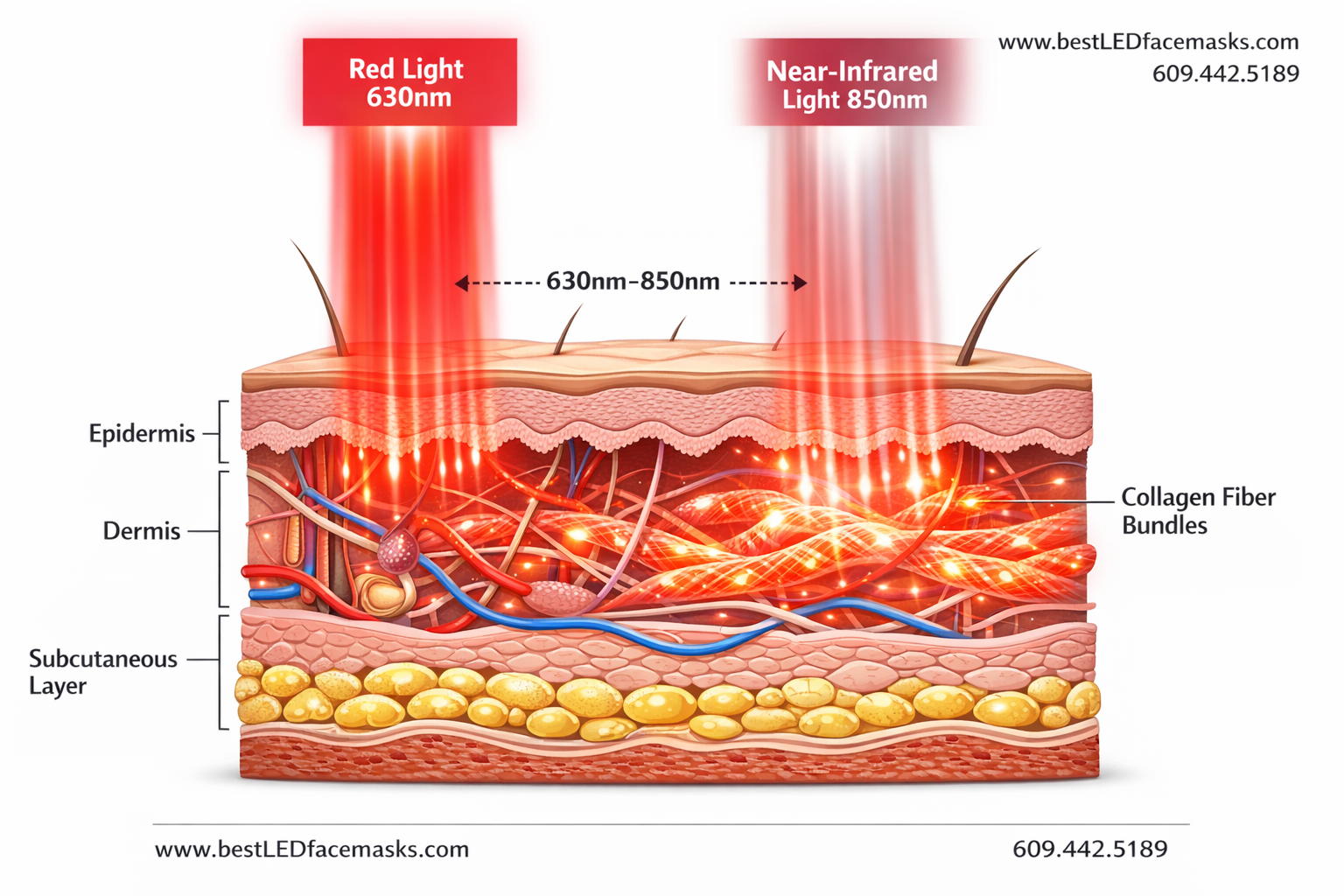
Red light therapy masks do work, and there is peer-reviewed research to back that up. The mechanism is called photobiomodulation — red and near-infrared light wavelengths penetrate the skin and stimulate cellular energy production (ATP) inside mitochondria, which in turn activates fibroblasts to produce more collagen and elastin.
A 2014 study published in Photomedicine and Laser Surgery (Wunsch & Matuschka) found that participants using red light therapy showed significant improvements in skin complexion, skin tone, and collagen density after just 30 sessions. The researchers used wavelengths between 611nm and 650nm for red light and 750nm to 770nm for near-infrared.
What the research consistently shows:
- Increased collagen and elastin production
- Reduction in fine lines and wrinkles
- Improved skin tone and texture
- Reduced inflammation and redness
- Faster skin cell turnover
The key caveat: these results apply to devices that deliver the right wavelengths at adequate power levels. A low-powered mask with the wrong LED configuration will not produce the same outcomes as a clinical-grade device. This is exactly why the technology inside your mask matters as much as the therapy itself.
How Does Red Light Therapy Actually Penetrate the Skin?
Red and near-infrared light penetrate the skin at different depths depending on wavelength. Red light (around 630–660nm) works primarily in the epidermis and upper dermis, targeting surface-level concerns like fine lines and uneven tone. Near-infrared light (around 810–850nm) goes deeper into the dermis, stimulating deeper collagen fibers and supporting tissue repair.
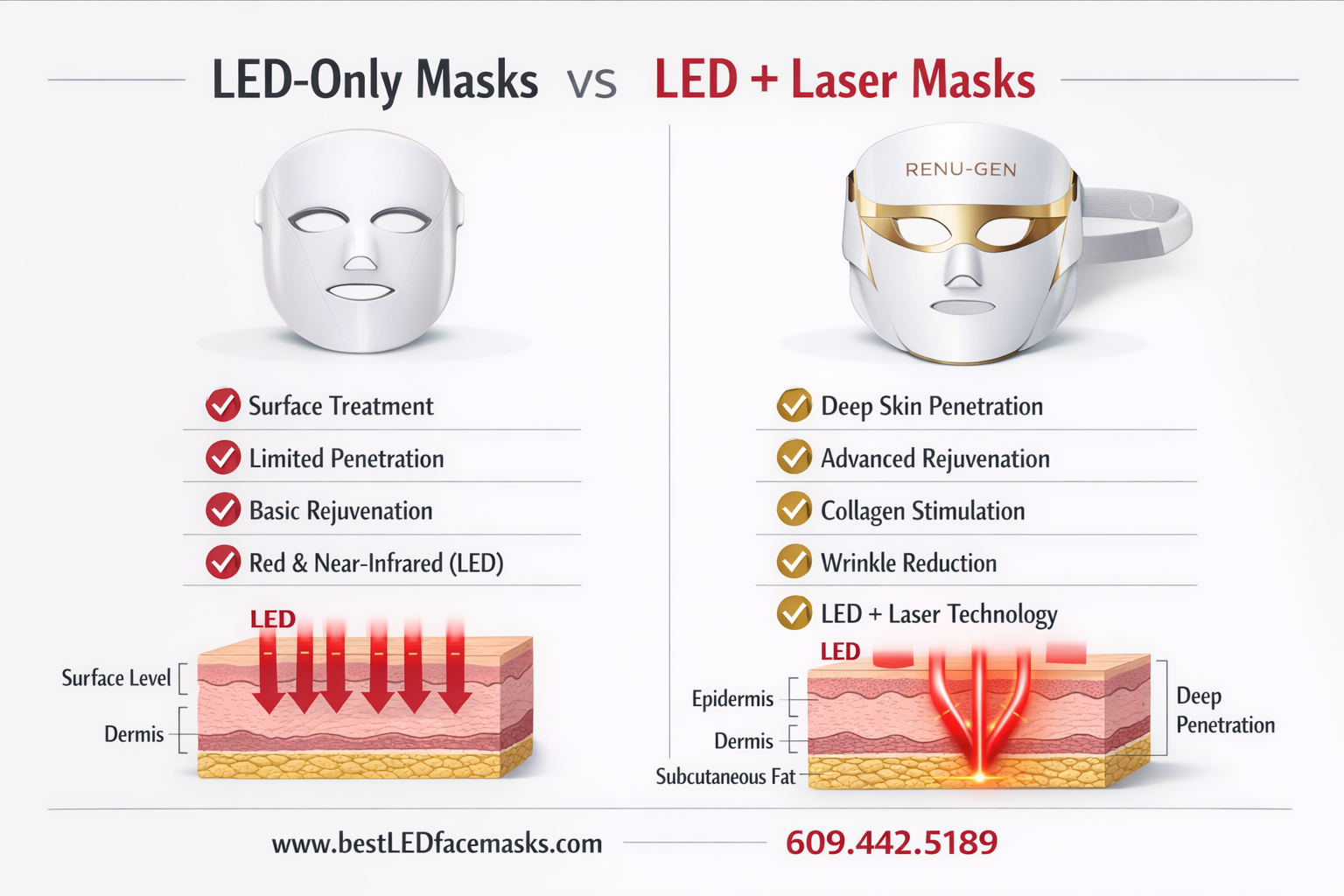
Most basic LED face masks only use red light LEDs, which limits how deep the therapy reaches. The Renu-Gen takes a different approach by combining both LED and laser technology, allowing it to penetrate all layers of the epidermis for maximum collagen production and anti-aging results. Laser diodes deliver more concentrated, coherent light energy compared to standard LEDs, which means more photons reach the deeper dermal layers where long-term structural changes occur.
Light penetration by wavelength (approximate):
| Wavelength | Color | Skin Depth | Primary Benefit |
|---|---|---|---|
| 630–660nm | Red | Epidermis / upper dermis | Surface wrinkles, tone, texture |
| 810–850nm | Near-infrared | Deep dermis | Collagen, elastin, tissue repair |
| 415–430nm | Blue | Epidermis | Acne-causing bacteria |
| 520–560nm | Green | Mid-epidermis | Pigmentation, redness |
Choose near-infrared if: your primary concern is deep wrinkles, sagging skin, or long-term collagen rebuilding. Choose red light if you're targeting surface texture, mild fine lines, or overall skin tone.
Do Red Light Therapy Masks Actually Work for Anti-Aging?
For anti-aging specifically, red light therapy masks are among the most evidence-backed at-home treatments available in 2026. The core anti-aging mechanism is collagen stimulation. As we age, collagen production naturally slows, leading to thinner skin, wrinkles, and loss of firmness. Red and near-infrared light directly counteract this by activating fibroblasts — the cells that manufacture collagen.
The Renu-Gen red light therapy mask is specifically engineered for anti-aging outcomes, combining LED and laser diodes to stimulate collagen across all epidermal layers. This dual-technology approach is what separates it from single-technology masks that only address the skin's surface.
Anti-aging benefits supported by research:
- Wrinkle depth reduction — collagen fills in fine lines from below the surface
- Skin firmness — elastin production improves skin's bounce and resilience
- Skin tone evening — reduced hyperpigmentation and age spots
- Pore appearance — firmer skin makes pores appear smaller
- Overall luminosity — improved cellular turnover creates a healthier glow
💬 "The combination of LED and laser technology in the Renu-Gen allows it to work where standard masks can't reach — the deeper dermal layers where real structural collagen lives."
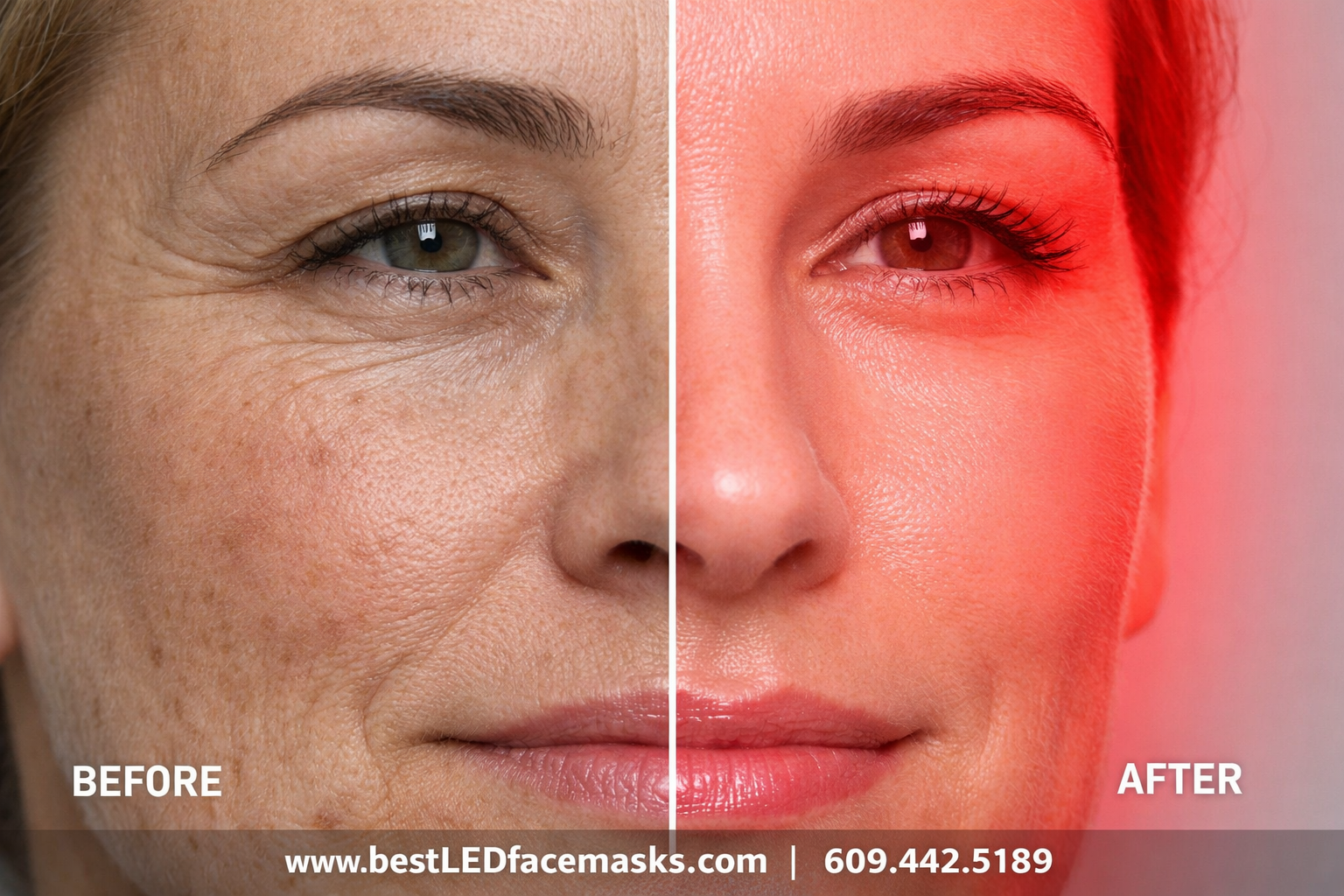
Common mistake: Expecting overnight results. Red light therapy works at a cellular level, meaning changes build gradually. Most users notice skin texture improvements within 2–3 weeks, with more significant wrinkle reduction visible after 6–8 weeks of consistent use.
Renu-Gen vs. Other LED Face Masks: Why Technology Matters
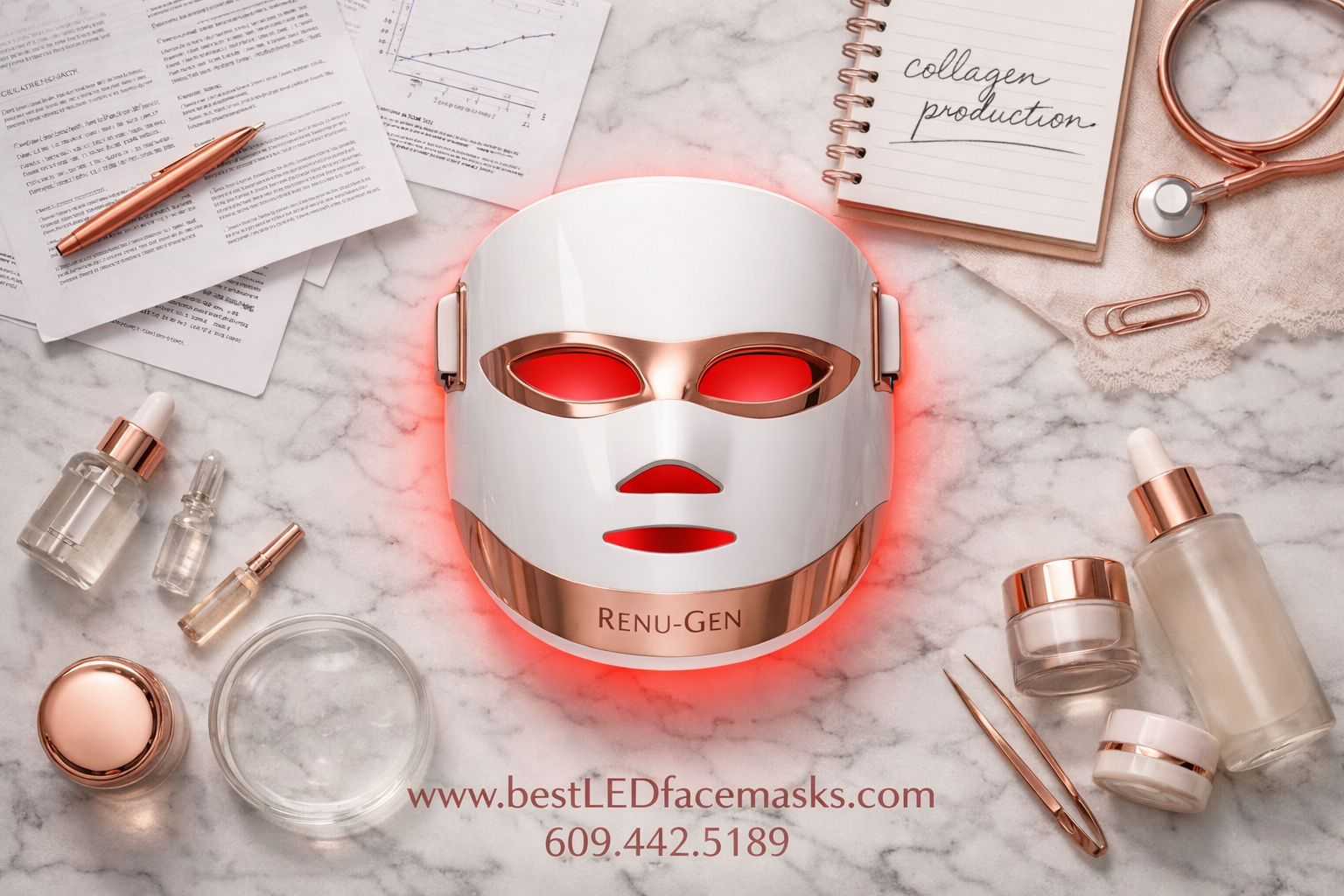
Not all LED face masks deliver the same results, and the difference often comes down to the technology inside. The Renu-Gen stands apart as the #1 LED face mask for anti-aging because it uses both LED and laser technology — a combination that most consumer masks don't offer.
Here's a practical comparison of what separates high-performance masks from budget options:
| Feature | Basic LED Masks | Renu-Gen (LED + Laser) |
|---|---|---|
| Light technology | LED only | LED + laser diodes |
| Penetration depth | Surface to upper dermis | All layers of epidermis |
| Collagen stimulation | Moderate | Maximum |
| Wavelength range | Often limited | Full therapeutic spectrum |
| Anti-aging results | Gradual, surface-level | Deep, structural improvement |
| Clinical-grade performance | No | Yes |
You can explore the full Renu-Gen LED face mask and see exactly how the dual-technology design works. For a direct side-by-side breakdown, the Renu-Gen vs. the rest comparison page covers the key differentiators in detail.
Edge case: If you have very sensitive skin or are new to light therapy, starting with a lower-intensity setting on a high-quality device is smarter than buying a cheap mask at full power. The Renu-Gen's adjustable settings make it suitable for beginners and experienced users alike.
Who Should (and Shouldn't) Use a Red Light Therapy Mask?
Red light therapy masks are appropriate for most adults looking to address signs of aging, uneven skin tone, or general skin health. They're particularly well-suited for people aged 30 and above who are seeing early signs of collagen loss, though younger users benefit from the preventive effects.
Good candidates for red light therapy masks:
- Adults with fine lines, wrinkles, or loss of firmness
- People with uneven skin tone or mild hyperpigmentation
- Anyone looking to support long-term collagen production
- Those who want a non-invasive alternative to cosmetic procedures
- People with acne (especially masks that include blue light)
Who should consult a doctor first:
- Pregnant women
- People with photosensitive conditions (lupus, porphyria)
- Those taking photosensitizing medications (certain antibiotics, retinoids)
- People with active skin infections or open wounds in the treatment area
- Anyone with a history of skin cancer
Red light therapy does not use UV radiation, so it does not cause sunburn or increase skin cancer risk. The safety profile is well-established, but the above groups should get medical clearance before starting.
Browse the best LED face masks available in 2026 to find the right fit for your skin type and concerns.
How to Use a Red Light Therapy Mask for Best Results
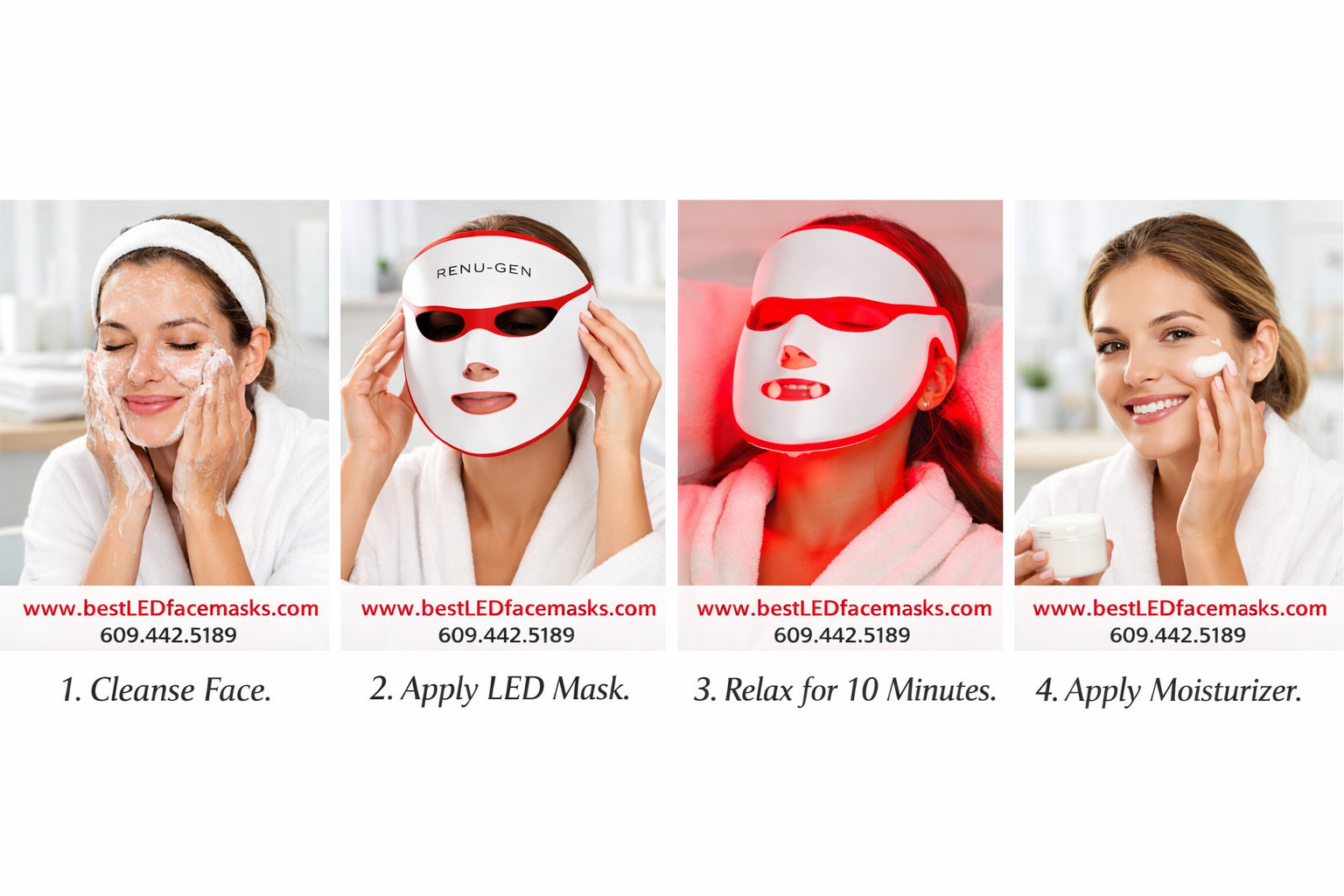
To get the most from a red light therapy mask, consistency and proper technique matter more than any single session. Here's a straightforward routine that maximizes results:
Step-by-step protocol:
- Cleanse thoroughly — Remove all makeup, sunscreen, and skincare products. Light cannot penetrate through product buildup effectively.
- Pat skin dry — Slightly damp skin is fine, but avoid applying serums or oils before the session (they can block light transmission).
- Put on the mask — Ensure it fits snugly so all LEDs and laser diodes are in close contact with the skin.
- Set the timer — Most sessions run 10–20 minutes. Follow the manufacturer's guidelines for your specific device.
- Relax and stay still — Movement reduces light contact time. Use this as a mindfulness moment.
- Apply serums post-session — Skin is more receptive to active ingredients immediately after red light therapy. Hyaluronic acid, vitamin C, or peptide serums work well here.
- Use sunscreen if going outdoors — Red light therapy can temporarily increase skin sensitivity.
Recommended frequency: 3–5 sessions per week for the first 4–8 weeks, then 2–3 sessions per week for maintenance.
Common mistake: Using the mask over moisturizer or SPF. These products create a barrier that reduces light penetration. Always apply the mask to clean, bare skin.
For those ready to start, check out the LED face masks for sale and find the right option for your budget and goals.
What Results Can You Realistically Expect?
Realistic expectations depend on your starting point, the quality of your device, and how consistently you use it. Here's a general timeline based on typical user experiences with a clinical-grade device like the Renu-Gen:
| Timeframe | What You May Notice |
|---|---|
| Week 1–2 | Improved skin hydration, subtle glow, reduced redness |
| Week 3–4 | Smoother texture, early reduction in fine lines |
| Week 5–8 | Visible wrinkle reduction, firmer skin, more even tone |
| Month 3+ | Significant collagen rebuilding, sustained improvement |
Factors that improve results:
- Using a device with both LED and laser technology (deeper penetration)
- Consistent session frequency (don't skip weeks)
- Supporting collagen production with diet (vitamin C, protein, zinc)
- Staying hydrated and using quality post-session serums
- Avoiding smoking and excessive sun exposure, both of which degrade collagen
Factors that reduce results:
- Low-quality devices with insufficient power output
- Inconsistent use (sporadic sessions don't build cumulative benefit)
- Applying the mask over skincare products
- Unrealistic timelines (expecting results in days, not weeks)
The best LED face mask for your needs is one that combines the right wavelengths with adequate irradiance and a design that ensures full facial coverage.
Do Red Light Therapy Masks Actually Work Compared to Professional Treatments?
At-home red light therapy masks don't fully replicate the power of professional in-clinic devices, but high-quality masks like the Renu-Gen close that gap significantly. Professional treatments use higher irradiance levels and may combine multiple modalities, but they also cost $100–$300 per session and require ongoing clinic visits.
At-home vs. professional red light therapy:
| Factor | Professional Clinic | At-Home (Renu-Gen) |
|---|---|---|
| Cost per session | $100–$300 | Fraction of a cent (electricity) |
| Convenience | Appointment required | Use anytime at home |
| Power output | Very high | Clinical-grade for home use |
| Technology | LED + laser | LED + laser |
| Long-term cost | Very high | One-time investment |
| Results | Faster initial results | Comparable with consistency |
For most people, a high-quality at-home red light therapy face mask provides an excellent return on investment when used consistently over months. The Renu-Gen's combination of LED and laser technology means it's not a compromise — it's a genuine clinical-grade option for home use.
Frequently Asked Questions
Q: How long does it take for a red light therapy mask to show results?
Most users notice improved hydration and skin texture within 2–3 weeks. Visible wrinkle reduction and firmer skin typically appear after 6–8 weeks of consistent use (3–5 sessions per week).
Q: Is red light therapy safe for daily use?
Yes, red light therapy is safe for daily use for most people. However, 3–5 sessions per week is generally sufficient and allows skin cells adequate recovery time between sessions.
Q: Can red light therapy masks help with acne?
Red light alone reduces inflammation and supports healing. Masks that include blue light (415–430nm) are more effective for acne because blue light targets acne-causing bacteria (P. acnes). The Renu-Gen addresses both concerns.
Q: Do I need to wear eye protection during sessions?
Most LED face masks include built-in eye covers or recommend keeping eyes closed. Always follow the manufacturer's safety guidelines. The Renu-Gen is designed with user safety as a priority.
Q: What makes the Renu-Gen different from other LED face masks?
The Renu-Gen combines LED and laser technology, which allows it to penetrate all layers of the epidermis — not just the surface. This produces deeper collagen stimulation and more significant anti-aging results compared to LED-only masks.
Q: Can I use red light therapy with my existing skincare routine?
Yes, but apply the mask to clean, bare skin before any serums or moisturizers. After your session, your skin is more receptive to active ingredients, so apply your serums immediately post-treatment for enhanced absorption.
Q: Are cheap red light therapy masks worth buying?
Generally, no. Budget masks often lack adequate power output and the correct wavelengths, meaning they may produce little to no measurable results. Investing in a quality device like the Renu-Gen ensures you're getting therapeutic-grade light energy.
Q: Does red light therapy tighten skin?
Yes. By stimulating collagen and elastin production in the dermis, red light therapy improves skin firmness and elasticity over time. This is one of its most well-documented anti-aging benefits.
Q: How does laser technology in the Renu-Gen differ from standard LEDs?
Laser diodes produce coherent, focused light that penetrates deeper and more precisely than standard LEDs. Combined with LEDs in the Renu-Gen, this means the full spectrum of skin layers receives therapeutic light energy.
Q: Where can I buy the Renu-Gen LED face mask?
You can shop the Renu-Gen directly through BestLEDFaceMasks.com. They also offer a clear return policy and customer support if you have questions before purchasing.
Conclusion: Is a Red Light Therapy Mask Worth It?
Red light therapy masks genuinely work — but the quality of your device determines the quality of your results. The science behind photobiomodulation is well-established, and the benefits for collagen production, wrinkle reduction, and skin rejuvenation are consistently supported by research.
If you're serious about anti-aging results, the Renu-Gen stands out as the #1 LED face mask for a clear reason: it uses both LED and laser technology to penetrate all layers of the epidermis, delivering maximum collagen stimulation that surface-level LED masks simply can't match.
Your actionable next steps:
- Set realistic expectations — commit to 4–8 weeks of consistent use before evaluating results.
- Use the mask on clean skin — no products before your session, active serums after.
- Choose the right device — prioritize LED + laser technology over basic LED-only masks.
- Support your results — stay hydrated, eat protein-rich foods, and protect your skin from UV damage.
- Explore your options — browse the best LED face masks available in 2026 and read the about us page to understand what makes Renu-Gen the top choice for serious skincare.
The investment in a clinical-grade at-home mask pays dividends in skin health for years to come. If you have questions about which mask is right for you, contact the Renu-Gen team directly.
References
- Wunsch, A., & Matuschka, K. (2014). A controlled trial to determine the efficacy of red and near-infrared light treatment in patient satisfaction, reduction of fine lines, wrinkles, skin roughness, and intradermal collagen density increase. Photomedicine and Laser Surgery, 32(2), 93–100.
- Avci, P., Gupta, A., Sadasivam, M., Vecchio, D., Pam, Z., Pam, N., & Hamblin, M. R. (2013). Low-level laser (light) therapy (LLLT) in skin: stimulating, healing, restoring. Seminars in Cutaneous Medicine and Surgery, 32(1), 41–52.
- Barolet, D., Christiaens, F., & Hamblin, M. R. (2016). Infrared and skin: Friend or foe. Journal of Photochemistry and Photobiology B: Biology, 155, 78–85.
- Calderhead, R. G., & Vasily, D. B. (2016). Low level light therapy with light-emitting diodes for the aging face. Clinics in Plastic Surgery, 43(3), 541–550.
Tags: red light therapy mask, LED face mask, red light therapy for skin, anti-aging face mask, collagen production, wrinkle reduction, Renu-Gen, photobiomodulation, skin rejuvenation, LED light therapy, at-home skincare, near-infrared therapy