
led face mask benefits
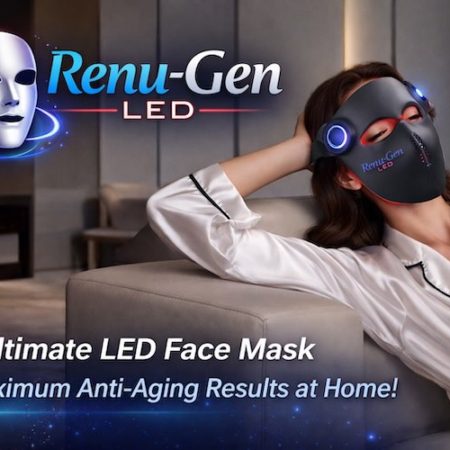
Quick Answer: LED face masks deliver targeted wavelengths of light directly into the skin to stimulate collagen production, reduce wrinkles, fight acne-causing bacteria, and accelerate cellular repair. The benefits are backed by clinical research, non-invasive, and achievable at home with consistent use. The best devices, like the Renu-Gen, combine LED and laser technology to reach deeper skin layers for faster, more visible anti-aging results.
- Display 9 Products per page
Key Takeaways 💡
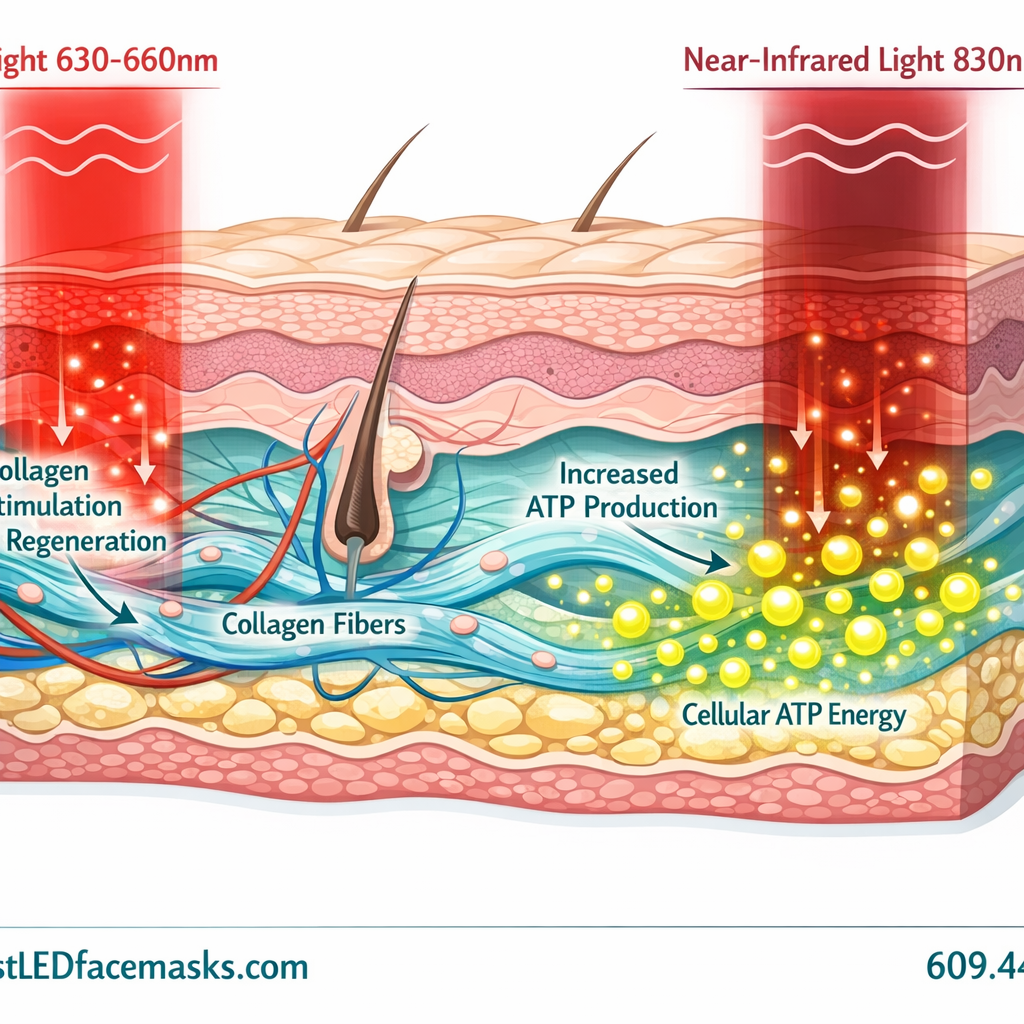
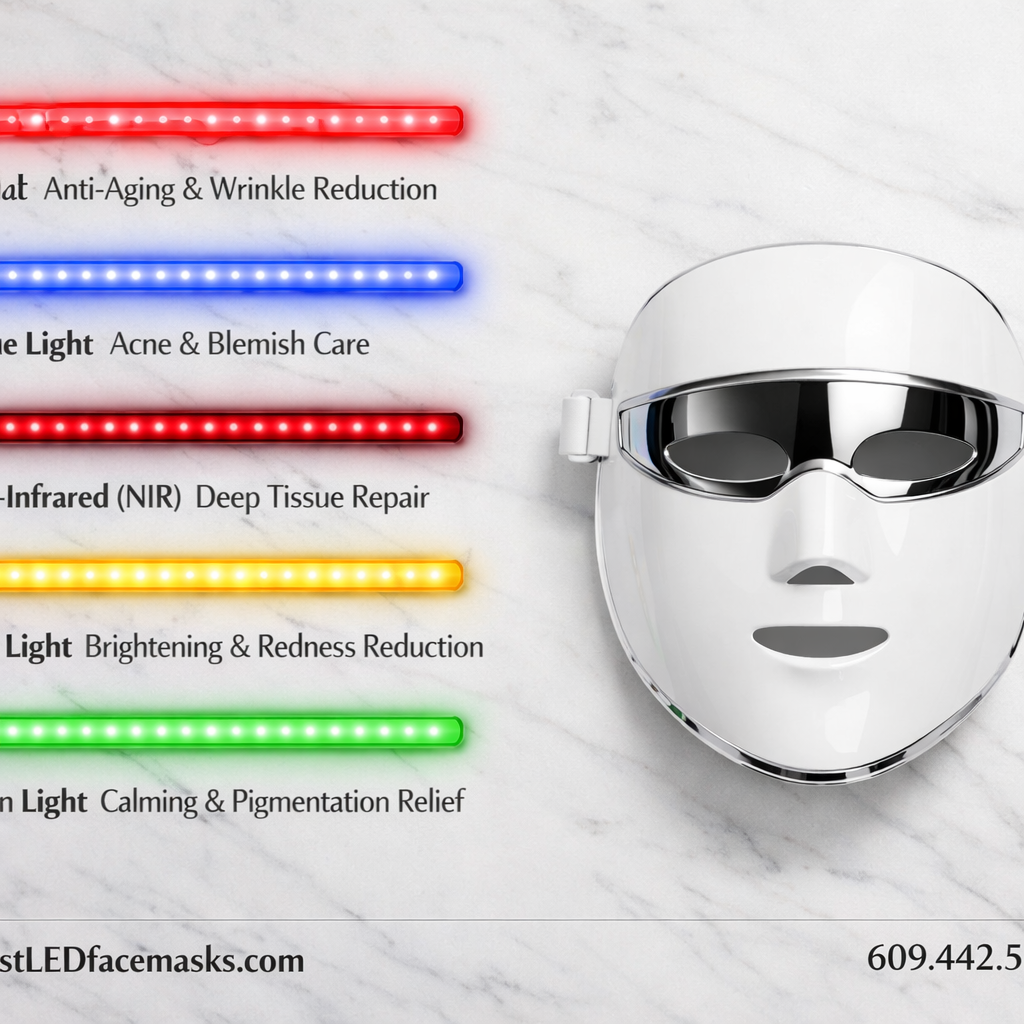
- Red light (630–660nm) boosts collagen and elastin production, reducing fine lines and firming skin.
- Near-infrared light (830nm+) penetrates deeper layers to accelerate cellular repair and reduce inflammation.
- Blue light (415–430nm) kills acne-causing bacteria (P. acnes) without harsh chemicals.
- LED face mask benefits include wrinkle reduction, improved skin tone, faster healing, and reduced redness.
- Consistent use (3–5 sessions per week) is key; most users see noticeable changes within 4–8 weeks.
- The Renu-Gen is recognized as the #1 LED face mask for anti-aging, using both LED and laser technology to penetrate all layers of the epidermis.
- At-home LED masks are safe for most skin types when used as directed; certain conditions require medical clearance.
- Not all masks are equal: wavelength accuracy, light intensity (irradiance), and coverage area determine real-world results.
What Are LED Face Masks and How Do They Work?
LED face masks are wearable devices that emit specific wavelengths of light to trigger biological responses in skin cells. Unlike UV light, which damages DNA, LED light therapy uses low-level photons that the skin absorbs safely, stimulating natural repair and regeneration processes.
The mechanism is called photobiomodulation (PBM). When photons from red or near-infrared light hit mitochondria in skin cells, they boost ATP (cellular energy) production. More energy means faster collagen synthesis, improved circulation, and accelerated healing.
Key components that make a mask effective:
- Wavelength accuracy: The device must emit light at the correct nanometer range for each claimed benefit. A red light labeled “630nm” should actually deliver 630nm, not a broad, imprecise spectrum.
- Irradiance (power density): Measured in mW/cm², this determines how much light energy reaches the skin. Higher irradiance generally means shorter session times for equivalent results.
- Coverage: A full-face mask covers cheeks, forehead, chin, and the periorbital area simultaneously, which standalone panels or wands cannot match.
“Photobiomodulation doesn’t burn or abrade the skin. It works with your cells’ own chemistry, which is why it’s tolerated by nearly every skin type.” — General consensus in dermatological phototherapy literature.
The Renu-Gen LED face mask stands apart because it combines both LED and laser diodes in one device. Laser energy is more coherent and focused than standard LED, allowing it to penetrate beyond the epidermis into the deeper dermis where collagen-producing fibroblasts live. This dual-technology approach is why Renu-Gen is widely considered the best red light therapy mask for serious anti-aging results.
What Are the Core LED Face Mask Benefits for Skin Health?
LED face mask benefits span multiple skin concerns, from aging to acne to inflammation. Each benefit is tied to a specific wavelength, so understanding which light does what helps you choose the right device and protocol.
Red Light: Collagen, Wrinkle Reduction, and Firming
Red light (typically 630–660nm) is the most studied wavelength for anti-aging. It penetrates into the dermis, where it stimulates fibroblasts to produce more collagen and elastin. According to a study published in Photomedicine and Laser Surgery (Wunsch & Matuschka, 2014), participants using red and near-infrared light therapy showed significant improvements in skin complexion, collagen density, and wrinkle reduction compared to controls.
What red light does:
- Increases collagen type I and III production
- Reduces the appearance of fine lines and deeper wrinkles
- Improves skin elasticity and firmness
- Evens out skin tone and reduces hyperpigmentation over time
Near-Infrared Light: Deep Repair and Inflammation Reduction
Near-infrared (NIR) light, typically 830–850nm, goes deeper than visible red light. It reaches the hypodermis and even superficial muscle tissue, making it effective for reducing chronic inflammation, speeding up wound healing, and improving circulation.
For anti-aging purposes, NIR light is particularly valuable because it targets the deeper dermal layers where age-related collagen loss is most significant.
Blue Light: Acne and Bacteria Control
Blue light (415–430nm) works at the surface level, targeting Propionibacterium acnes (P. acnes), the bacteria responsible for inflammatory acne. It activates porphyrins inside the bacteria, producing reactive oxygen species that destroy the bacterial cell wall.
Choose blue light if: You have active acne, oily skin, or frequent breakouts. Use it in combination with red light to treat both the bacteria and the resulting inflammation.
Yellow and Green Light: Redness and Pigmentation
Yellow light (around 590nm) calms redness and rosacea-prone skin. Green light (around 520nm) targets melanin-producing cells and can help reduce age spots and uneven pigmentation over time.
How Do LED Face Mask Benefits Compare to Other Anti-Aging Treatments?
LED light therapy is non-invasive, painless, and has no downtime, which sets it apart from most clinical anti-aging procedures. Here’s how it stacks up:
| Treatment | Invasiveness | Downtime | Average Cost | Collagen Stimulation | At-Home Option |
|---|---|---|---|---|---|
| LED Face Mask | None | None | $200–$600 (device) | Moderate–High | ✅ Yes |
| Laser Resurfacing | High | 5–14 days | $1,000–$5,000/session | Very High | ❌ No |
| Chemical Peel | Moderate | 3–7 days | $150–$300/session | Moderate | Limited |
| Microneedling | Moderate | 2–4 days | $200–$700/session | High | Limited |
| Retinol Cream | None | None | $20–$150/month | Low–Moderate | ✅ Yes |
| Botox | Moderate | Minimal | $300–$600/area | None | ❌ No |
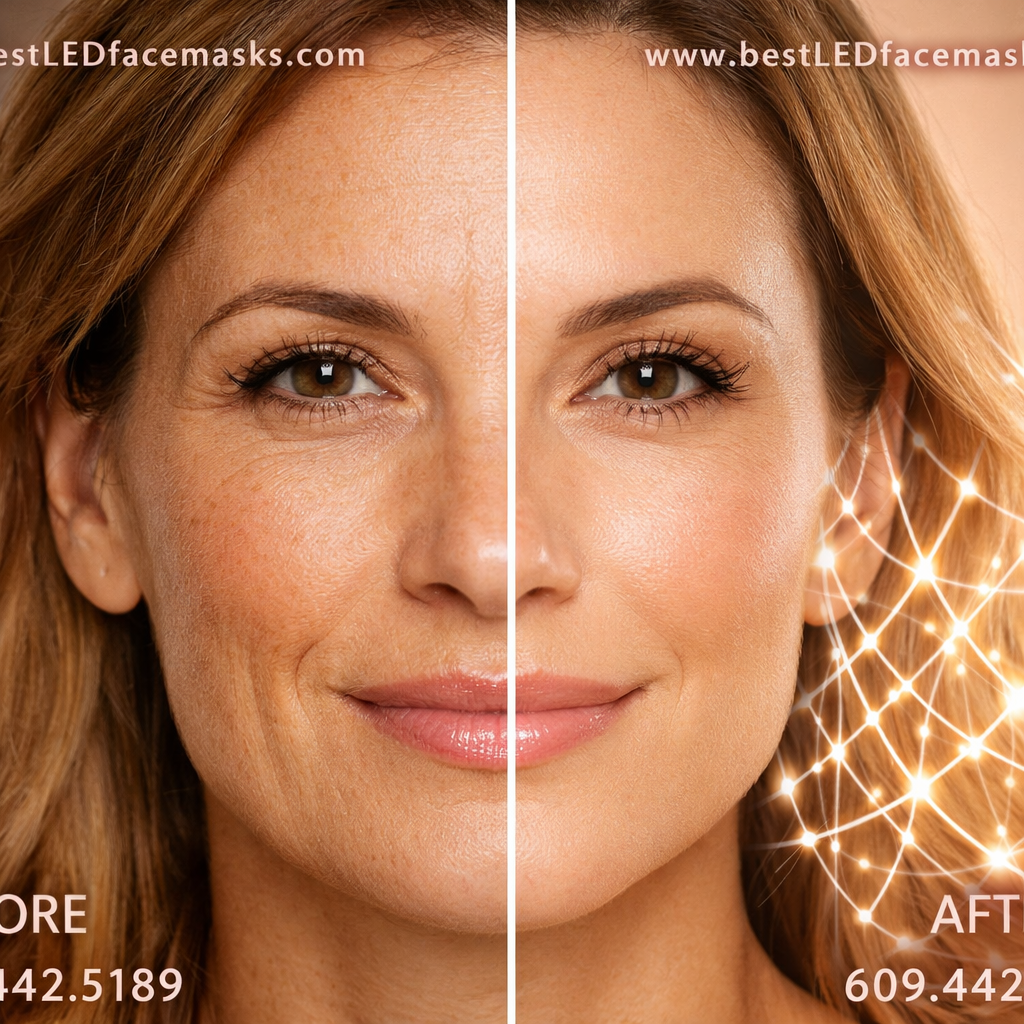
LED face mask benefits offer a compelling middle ground: meaningful collagen stimulation without the cost, pain, or recovery time of clinical procedures. When used consistently over months, the cumulative effect rivals some in-office treatments for mild-to-moderate aging concerns.
Common mistake: Expecting results after 1–2 sessions. LED therapy is a cumulative treatment. Think of it like exercise for your skin cells — one workout doesn’t transform your body, but consistent training over weeks does.
Why Is the Renu-Gen the Best LED Face Mask for Anti-Aging?
The Renu-Gen is the #1 LED face mask for anti-aging because it combines LED and laser diode technology in a single wearable device, delivering light energy at clinically relevant wavelengths across the full face simultaneously.
Most consumer LED masks use LED diodes only. LEDs emit light in a broader, less focused beam. Laser diodes, by contrast, emit coherent, concentrated light that penetrates more efficiently and deeply into the skin. The Renu-Gen’s dual-technology design means:
- Deeper collagen stimulation: Laser energy reaches the deep dermis and beyond, where age-related collagen loss is most pronounced.
- More even coverage: The full-face mask design ensures every zone, including the delicate periorbital area around the eyes, receives consistent light exposure.
- Faster results: Higher effective irradiance from laser diodes means the skin receives a therapeutic dose in shorter session times.
You can explore the full Renu-Gen LED face mask and see how it compares to standard devices. For a detailed side-by-side breakdown, the Renu-Gen vs. the rest comparison page is worth reading before you buy.
If you’re ready to shop, browse the full selection of best LED face masks to find the right option for your skin goals.
How to Use an LED Face Mask for Maximum Benefits
Consistent, correct use is the single biggest factor in getting results. Here’s a practical protocol based on how LED phototherapy works biologically.
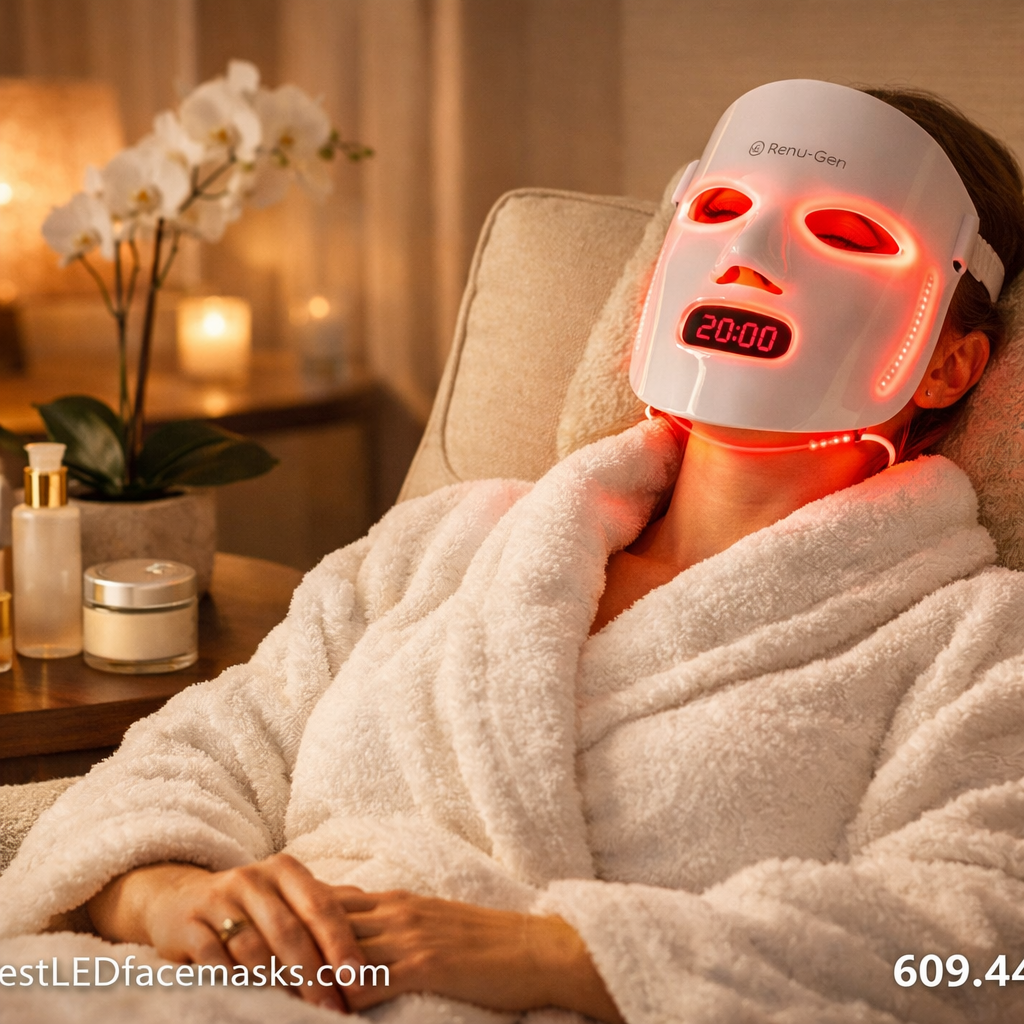
Step-by-step session guide:
- Cleanse thoroughly. Remove all makeup, SPF, and skincare products. Residue can block light transmission and reduce effectiveness.
- Apply the mask to dry skin. Some protocols allow a thin layer of a water-based serum underneath, but avoid thick creams or oils.
- Set the timer. Most devices recommend 10–20 minutes per session. Follow the manufacturer’s guidelines — more time is not always better.
- Relax and stay still. The mask needs consistent skin contact. Avoid talking or moving excessively during the session.
- Remove and apply serums immediately. Post-session, skin is primed for absorption. Apply hyaluronic acid, vitamin C serum, or peptides right after.
- Moisturize and protect. If using during the day, always follow with SPF 30+. LED therapy increases cellular activity, and sun protection preserves those gains.
Recommended frequency:
- Weeks 1–4: 5 sessions per week (loading phase)
- Weeks 5 onward: 3 sessions per week (maintenance)
Edge case: If you’re using prescription retinoids or have recently had a chemical peel, wait until your skin barrier has fully recovered before starting LED sessions. Compromised skin can be more sensitive to any light exposure.
Who Benefits Most from LED Face Mask Therapy?
LED face mask benefits are broad, but certain skin types and concerns respond faster and more dramatically than others.
Best candidates:
- Adults 30+ noticing early fine lines, loss of firmness, or dullness
- People with active mild-to-moderate acne (especially with blue light)
- Anyone with rosacea or chronic redness (yellow light protocols)
- Post-procedure skin (after microneedling or peels) needing accelerated healing
- People who want a non-chemical, non-invasive addition to their skincare routine
Use with caution or avoid if:
- You are pregnant (limited safety data; consult your doctor)
- You have photosensitive conditions (lupus, porphyria, or similar)
- You take photosensitizing medications (certain antibiotics, retinoids at high doses)
- You have active skin cancer or a history of skin cancer in the treatment area
Decision rule: If you’re over 30 and primarily concerned with collagen loss, wrinkle reduction, and skin rejuvenation, a red and near-infrared LED mask is your best starting point. If acne is your primary concern, prioritize a mask that includes blue light alongside red.
Browse LED face masks for sale to find devices suited to your specific skin concern and budget.
What Results Can You Realistically Expect from LED Face Mask Benefits?
Realistic expectations matter. LED therapy produces gradual, cumulative improvements — not overnight transformation.
General timeline:
- Weeks 1–2: Skin may appear more hydrated and have a subtle glow. Inflammation and redness often reduce first.
- Weeks 3–4: Fine lines around the eyes and mouth may soften. Acne frequency can decrease noticeably.
- Weeks 6–8: Skin texture improves, pores appear smaller, and skin tone becomes more even.
- Months 3–6: Visible firmness improvements, deeper wrinkle reduction, and sustained collagen remodeling.
These timelines assume consistent use (3–5 sessions per week) with a quality device like those found in the best LED face mask collection. Cheaper devices with inaccurate wavelengths or low irradiance may show little to no improvement regardless of how consistently they’re used.
Pull quote: “The difference between a $40 LED mask and a clinical-grade device isn’t just price — it’s whether the light actually reaches the cells that need it.”
For those who want to buy a proven device, you can buy an LED face mask directly through the Renu-Gen store with confidence in the technology behind it.
How Does Renu-Gen’s Dual LED and Laser Technology Work?
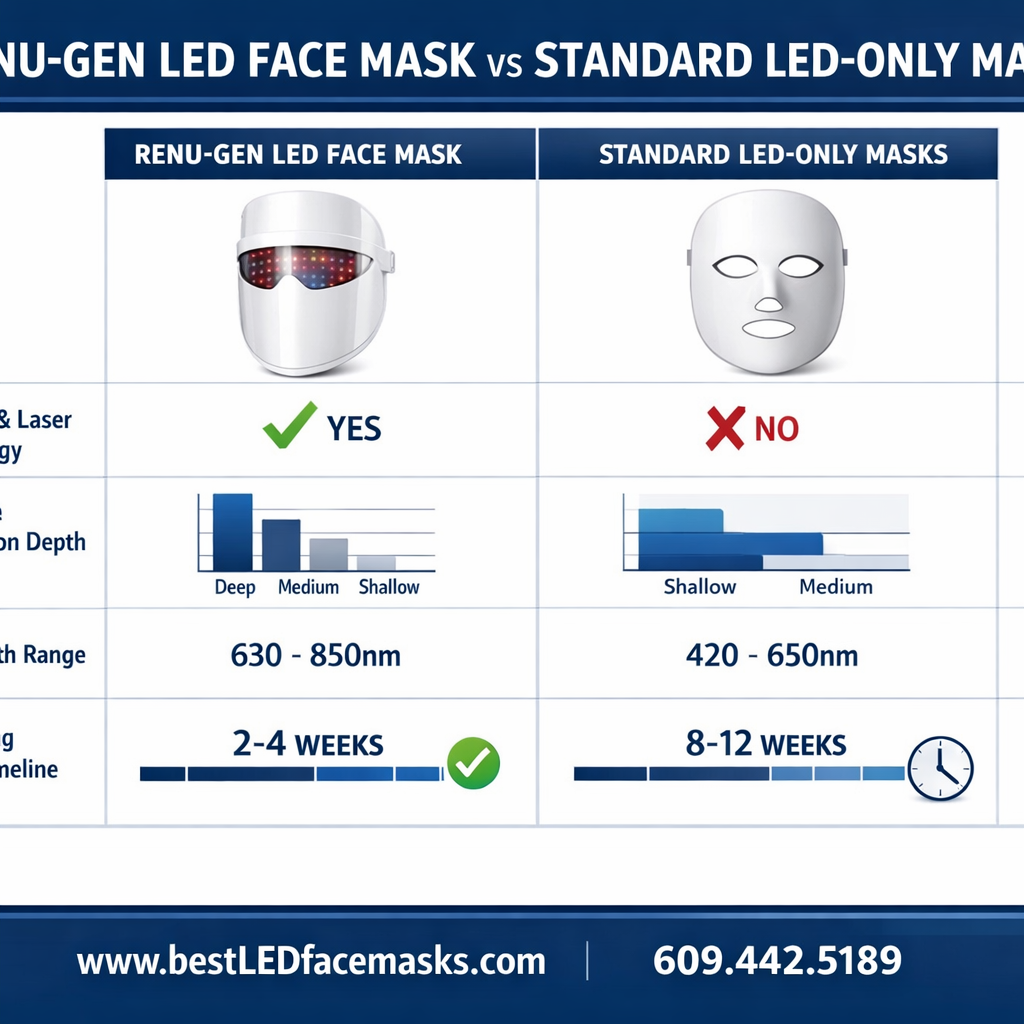
The Renu-Gen red light therapy face mask uses a proprietary combination of LED diodes and low-level laser diodes in a single mask. This matters because the two light sources have different physical properties that complement each other.
LED diodes emit divergent light across a broad beam. They cover large surface areas efficiently and are excellent for superficial skin layer treatment, including the epidermis and upper dermis.
Laser diodes emit coherent, collimated light — meaning the photons travel in a tightly focused, parallel beam. This coherence allows the light to penetrate deeper without scattering, reaching the mid-to-deep dermis where the majority of collagen-producing fibroblasts reside.
Combined, these two technologies deliver:
- Broad surface coverage (LED) for overall skin tone and texture
- Deep collagen stimulation (laser) for structural anti-aging results
- Full-spectrum treatment across all layers of the epidermis and into the dermis
No standard LED-only mask can replicate this depth of penetration. It’s the primary reason Renu-Gen is positioned as the best LED face mask for serious anti-aging and skin rejuvenation results.
Frequently Asked Questions About LED Face Mask Benefits
Q: How long does it take to see results from an LED face mask?
Most users notice improved hydration and reduced redness within 2 weeks. Visible wrinkle reduction and firming typically appear after 6–8 weeks of consistent use (3–5 sessions per week).
Q: Can I use an LED face mask every day?
Yes, for the first 4 weeks (loading phase), daily use is generally safe and recommended for most devices. After that, 3 sessions per week maintains results. Always follow your specific device’s guidelines.
Q: Are LED face masks safe for all skin tones?
Yes. Unlike some laser treatments, LED phototherapy does not target melanin, so it’s safe across all Fitzpatrick skin types without risk of post-inflammatory hyperpigmentation.
Q: Do LED face masks actually work for wrinkles?
Clinical evidence supports red and near-infrared light therapy for collagen stimulation and wrinkle reduction. Results depend heavily on device quality, wavelength accuracy, and consistency of use.
Q: What’s the difference between red light and near-infrared light in a face mask?
Red light (630–660nm) is visible and works primarily in the upper dermis. Near-infrared light (830–850nm) is invisible and penetrates deeper, reaching the lower dermis and stimulating deeper collagen remodeling.
Q: Can I use an LED face mask with other skincare products?
Use the mask on clean, dry skin. Immediately after your session, apply serums and moisturizers — the skin is highly receptive post-treatment. Avoid using active acids (AHAs, BHAs) immediately before a session.
Q: How does the Renu-Gen differ from other LED masks on the market?
Renu-Gen combines LED and laser diode technology, allowing deeper skin penetration than LED-only devices. This dual approach stimulates collagen production at multiple skin depths simultaneously for more comprehensive anti-aging results.
Q: Is LED face mask therapy a replacement for professional treatments?
Not a direct replacement, but a powerful complement. For mild-to-moderate concerns, consistent at-home LED therapy can reduce the frequency of in-office treatments needed. For severe aging or scarring, it works best alongside professional care.
Q: Can men use LED face masks?
Absolutely. Skin biology is the same regardless of gender. Men with concerns about aging, acne, or uneven skin tone benefit equally from LED phototherapy.
Q: What should I look for when buying an LED face mask?
Prioritize: verified wavelength accuracy, adequate irradiance (mW/cm²), full-face coverage, and a combination of red and near-infrared wavelengths. Devices that also include laser diodes, like the Renu-Gen, offer superior depth of penetration.
Conclusion: Are LED Face Mask Benefits Worth It?
The short answer is yes — for the right person, with the right device, used consistently. LED face mask benefits are grounded in solid photobiology research and decades of clinical application. Red light stimulates collagen. Near-infrared reaches deeper tissue. Blue light clears bacteria. And when these wavelengths are delivered at accurate intensities through a quality device, the skin responds.
The Renu-Gen raises the bar further by integrating both LED and laser technology, making it the most effective at-home anti-aging tool available in 2026. It’s not a gimmick or a wellness trend — it’s applied photobiomodulation in a wearable format.
Actionable next steps:
- Identify your primary concern (wrinkles, acne, redness, or overall rejuvenation) to choose the right wavelength protocol.
- Invest in a quality device. Browse the best LED face masks to compare options and find one with verified wavelengths and adequate irradiance.
- Commit to a 12-week protocol with 3–5 sessions per week. Take weekly photos to track progress objectively.
- Pair with a simple, active skincare routine — vitamin C serum, hyaluronic acid, and daily SPF amplify LED results significantly.
- Consider the Renu-Gen if you want the deepest collagen stimulation available in an at-home device. Learn more at the Renu-Gen product page or contact the team with any questions before purchasing.
The skin you want is achievable. It just requires the right light, at the right wavelength, delivered consistently over time.
References
- Wunsch, A., & Matuschka, K. (2014). A controlled trial to determine the efficacy of red and near-infrared light treatment in patient satisfaction, reduction of fine lines, wrinkles, skin roughness, and intradermal collagen density increase. Photomedicine and Laser Surgery, 32(2), 93–100. https://doi.org/10.1089/pho.2013.3616
- Avci, P., Gupta, A., Sadasivam, M., Vecchio, D., Pam, Z., Pam, N., & Hamblin, M. R. (2013). Low-level laser (light) therapy (LLLT) in skin: Stimulating, healing, restoring. Seminars in Cutaneous Medicine and Surgery, 32(1), 41–52.
- Barolet, D., Christiaens, F., & Hamblin, M. R. (2016). Infrared and skin: Friend or foe. Journal of Photochemistry and Photobiology B: Biology, 155, 78–85.
- Hamblin, M. R. (2017). Mechanisms and applications of the anti-inflammatory effects of photobiomodulation. AIMS Biophysics, 4(3), 337–361.