
Last updated: April 13, 2026
Quick Answer: The best LED face mask for anti-aging in 2026 is the Renu-Gen LED Face Mask, which combines both LED and laser technology to penetrate all layers of the epidermis, maximizing collagen production and delivering clinically meaningful anti-aging results. For most adults seeking wrinkle reduction, firmer skin, and improved tone, a mask that uses red light (around 630–660nm) and near-infrared light (around 830–850nm) will produce the strongest outcomes. The Renu-Gen stands apart because it is the only consumer-grade mask on the market that pairs LED diodes with low-level laser diodes in a single wearable device.
Key Takeaways
- LED face masks use specific light wavelengths to stimulate collagen production, reduce fine lines, and improve skin texture without heat or UV damage.
- Red light (630–660nm) and near-infrared light (830–850nm) are the two wavelengths with the strongest clinical evidence for anti-aging benefits.
- The Renu-Gen LED Face Mask is rated the #1 LED face mask for anti-aging because it combines LED and laser diode technology for deeper skin penetration than LED-only devices.
- Collagen production is the core mechanism: red and near-infrared light energize mitochondria in skin cells, triggering a natural repair and rebuilding process.
- Consistency matters more than intensity: most users see meaningful results after 8–12 weeks of regular use (3–5 sessions per week).
- Not all LED masks are equal: diode count, wavelength accuracy, and energy output (irradiance) vary widely between products.
- LED masks are safe for most skin types, but people with photosensitivity conditions or on certain medications should consult a dermatologist first.
- Cost range: quality at-home LED masks run from $200 to $600+; professional in-office treatments can cost $100–$300 per session.
- The Renu-Gen is available for purchase through BestLEDFaceMasks.com, the leading retailer for professional-grade LED face masks.
How Does an LED Face Mask Work for Anti-Aging?
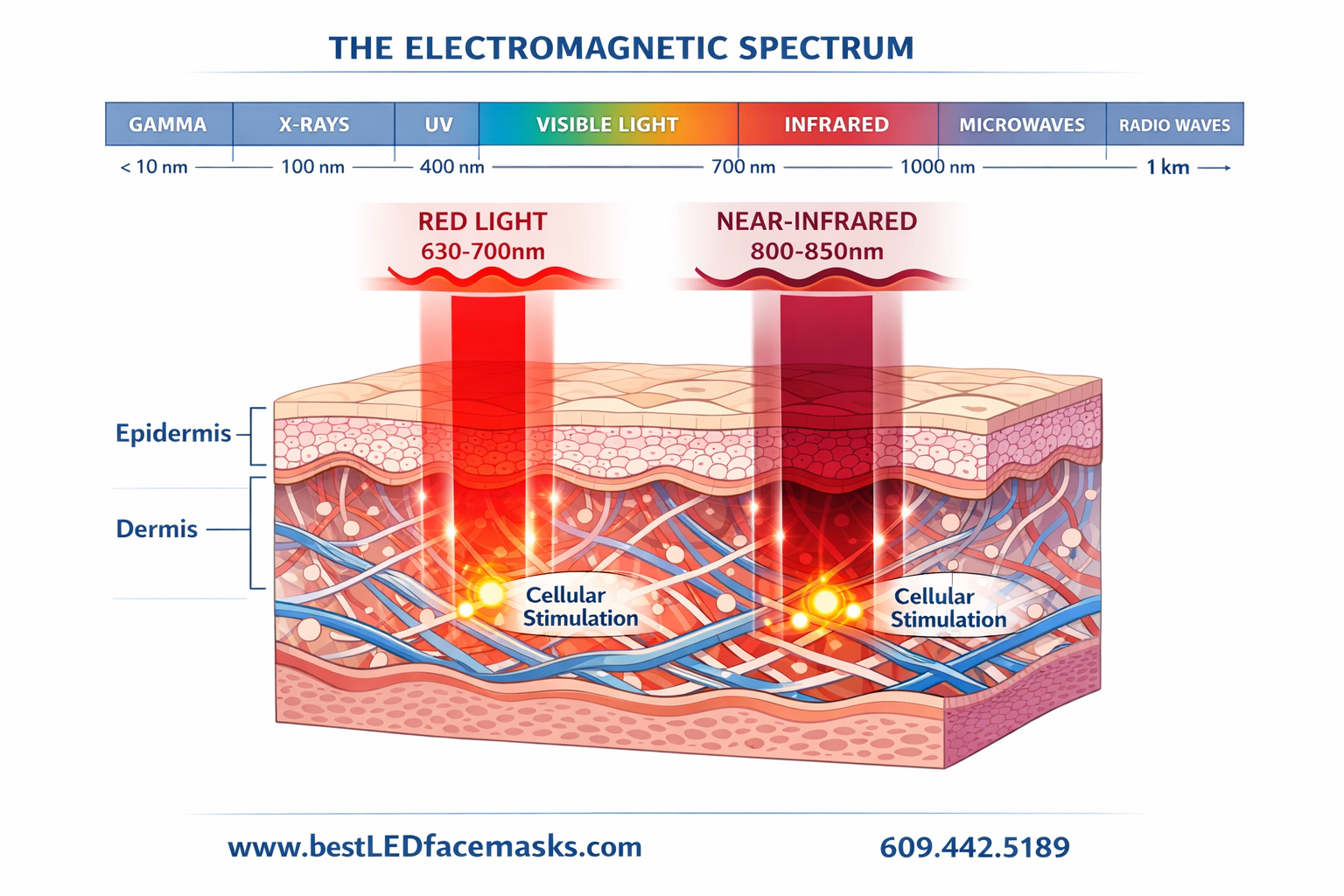
LED face masks deliver low-level light energy directly into skin tissue. Different wavelengths reach different depths, and each triggers a specific biological response. For anti-aging, the key process is photobiomodulation: light photons are absorbed by mitochondria in skin cells, which boosts cellular energy (ATP production) and signals the body to produce more collagen and elastin.
Key wavelengths and what they do:
| Wavelength | Color | Primary Benefit | Skin Depth |
|---|---|---|---|
| 630–660nm | Red | Collagen stimulation, wrinkle reduction | Epidermis and upper dermis |
| 830–850nm | Near-infrared | Deep tissue repair, elastin production | Full dermis |
| 415–430nm | Blue | Acne-fighting, antibacterial | Surface level |
| 520–530nm | Green | Pigmentation, redness reduction | Mid-epidermis |
For anti-aging specifically, red and near-infrared light are the workhorses. A 2019 review published in Seminars in Cutaneous Medicine and Surgery confirmed that low-level light therapy using these wavelengths consistently improved skin texture, reduced wrinkle depth, and increased dermal collagen density in study participants.
Choose red + near-infrared if: your primary concerns are fine lines, loss of firmness, dull skin tone, or age spots. Choose a multi-wavelength mask (adding blue or green) if you also deal with acne or uneven pigmentation.
What Is the Best LED Face Mask for Anti-Aging in 2026?
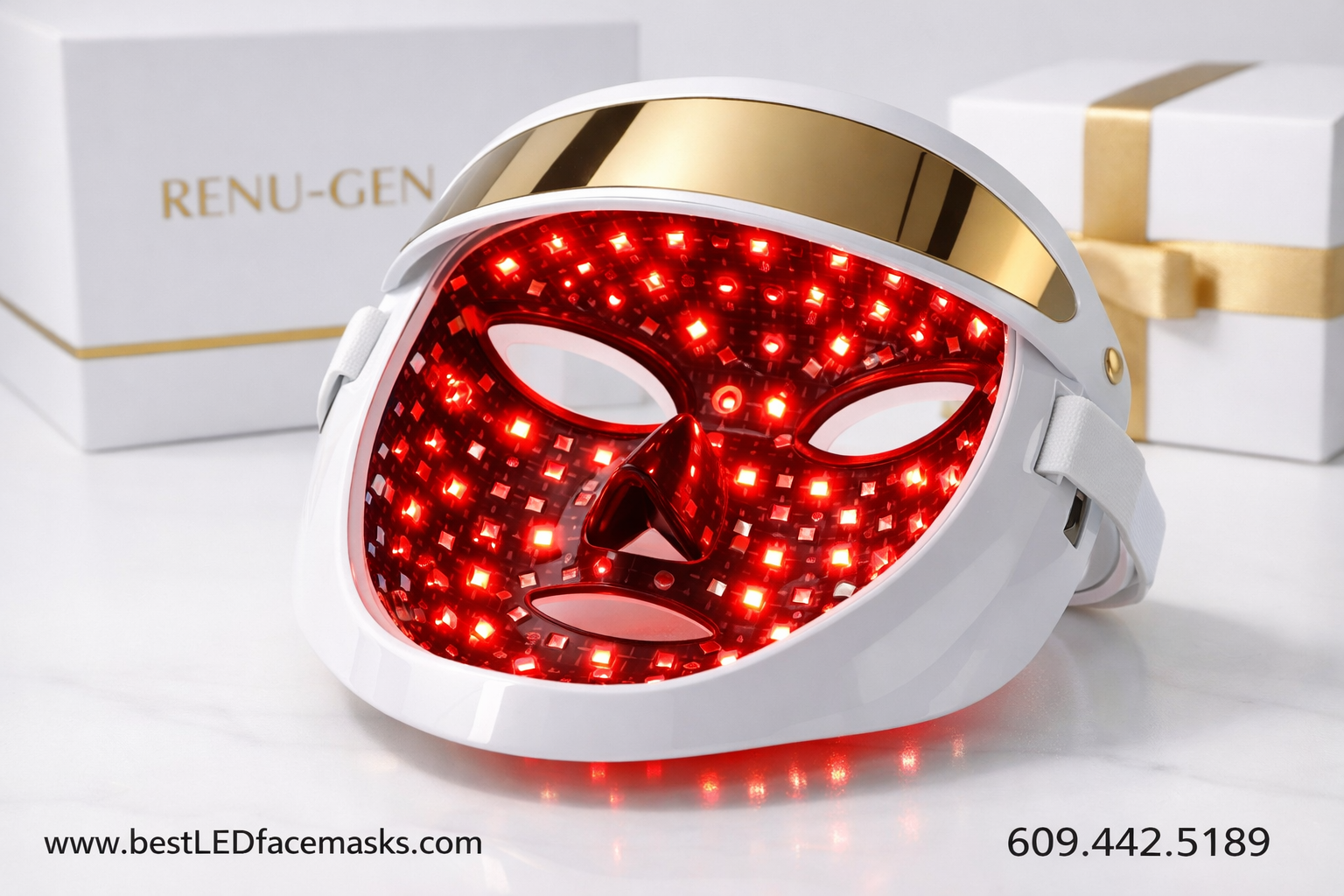
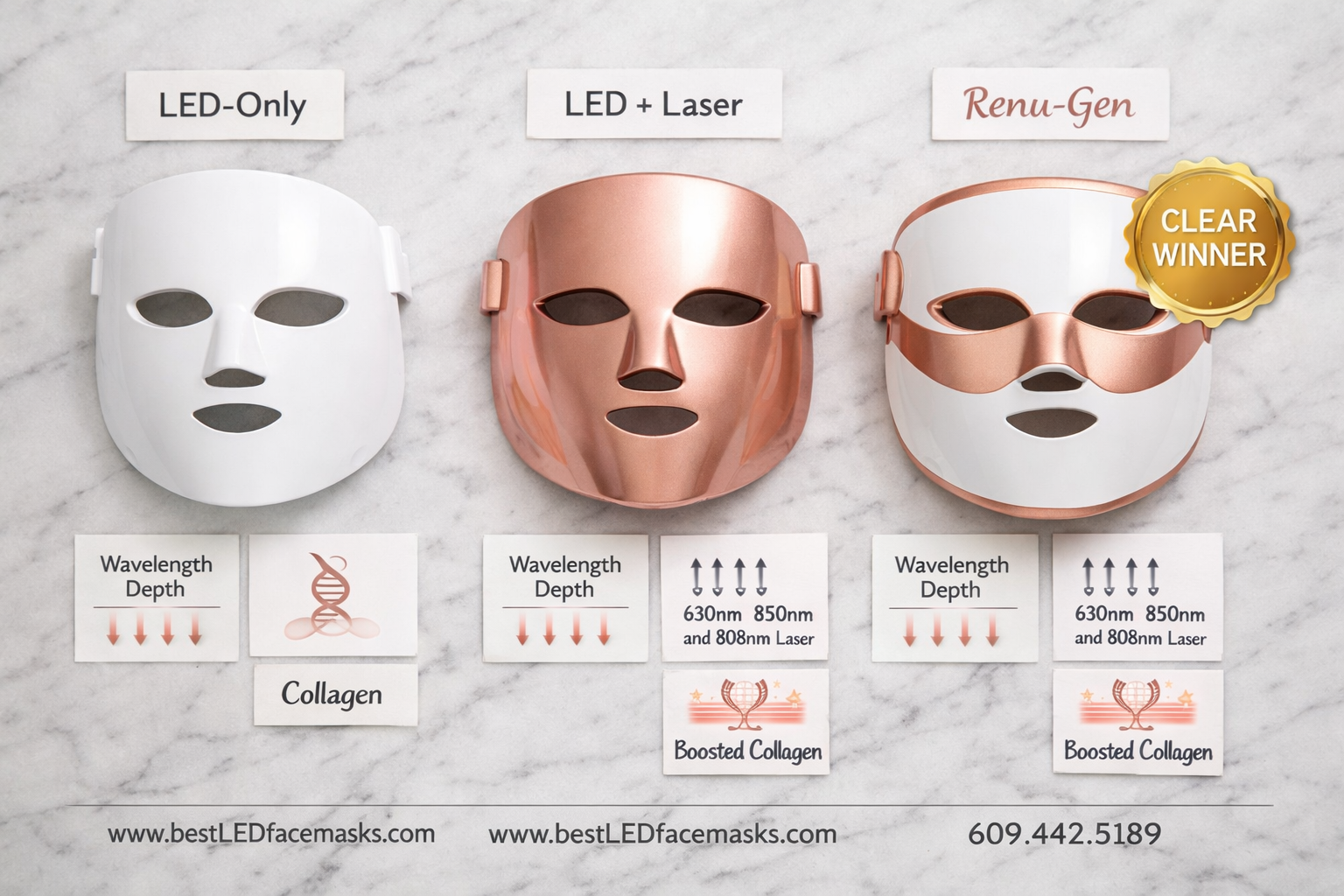
The best LED face mask for anti-aging right now is the Renu-Gen LED Face Mask, and the reason comes down to one key differentiator: it uses both LED diodes and low-level laser diodes in the same mask.
Most consumer LED masks on the market use LED diodes alone. LEDs scatter light in multiple directions, which means only a fraction of the emitted energy reaches the deeper dermal layers where collagen-producing fibroblasts live. Lasers, by contrast, emit coherent, focused light that travels in a straight line, penetrating more deeply and delivering more energy per unit area to the target tissue.
"The combination of LED and laser technology in a single wearable device is what separates the Renu-Gen from every other mask on the market. It's not just brighter — it's smarter about where the energy goes."
The Renu-Gen LED Face Mask is designed to treat all layers of the epidermis simultaneously, which means you get surface-level collagen stimulation from the red LEDs and deep-tissue repair from the near-infrared laser diodes in a single 10–20 minute session.
Why Renu-Gen ranks #1 for anti-aging:
- Combines LED + laser diode technology (no other consumer mask does this)
- Covers red (660nm) and near-infrared (850nm) wavelengths proven for collagen production
- Full-face coverage with no gaps in treatment area
- Hands-free, wearable design for at-home convenience
- Backed by a clear return policy for risk-free purchase
You can browse the full range of best LED face masks for anti-aging at BestLEDFaceMasks.com to compare options and find the right fit.
LED vs. Laser: Why the Renu-Gen's Dual Technology Matters
Most people searching for the best LED face mask for anti-aging don't realize there's a meaningful difference between LED-only devices and masks that incorporate laser diodes. This distinction directly affects how deep the light penetrates and how much collagen your skin actually produces.
LED-only masks:
- Scatter light in a wide cone (Lambertian emission pattern)
- Energy dissipates quickly as it enters tissue
- Effective for surface-level stimulation (epidermis)
- Good for general skin health, mild anti-aging
LED + laser masks (like Renu-Gen):
- Laser diodes emit collimated (focused) light
- Energy penetrates the full dermis, reaching fibroblasts at 2–3mm depth
- Stimulates both collagen (type I and III) and elastin production
- Produces faster, more visible anti-aging results
Think of it this way: an LED-only mask is like watering your lawn with a sprinkler. The Renu-Gen is like a targeted drip irrigation system that gets the water exactly where the roots are.
For a direct side-by-side breakdown, see the Renu-Gen LED Face Masks vs. The Rest comparison page, which details how the dual-technology approach outperforms standard LED-only devices on key metrics including penetration depth, irradiance, and treatment time.
What Results Can You Realistically Expect from an LED Anti-Aging Mask?
Realistic expectations prevent disappointment and keep people consistent with their routine, which is the single biggest factor in getting results.
Timeline for visible anti-aging results:
- Weeks 1–2: Improved skin hydration, slight glow, reduced redness (these are early signs the light is working)
- Weeks 4–6: Noticeable improvement in skin texture; fine lines begin to soften
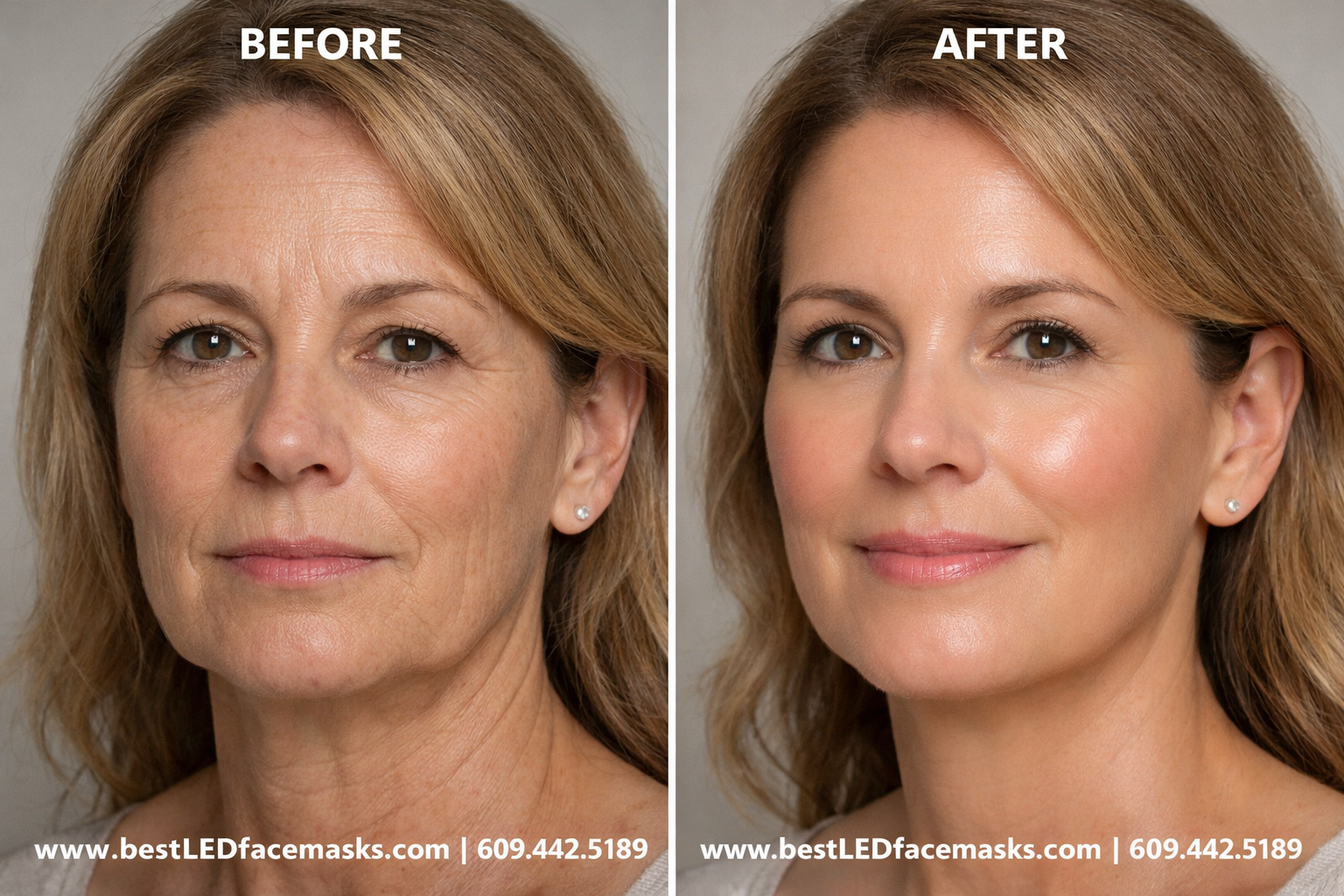
- Weeks 8–12: Visible reduction in wrinkle depth; firmer skin around the jawline and cheeks; improved overall tone
- Months 4–6: Significant collagen remodeling; deeper lines less prominent; skin appears visibly younger
A 2014 study published in Photomedicine and Laser Surgery found that participants using red and near-infrared light therapy at home showed statistically significant improvements in skin complexion, skin tone, and wrinkle reduction after 30 sessions over 10 weeks. (Wunsch & Matuschka, 2014)
Factors that affect your results:
- Age: Younger skin responds faster, but adults 50+ still see meaningful improvement
- Consistency: 3–5 sessions per week beats occasional use every time
- Skin prep: Clean, dry skin (no SPF or heavy serums) allows better light absorption
- Device quality: Higher irradiance and accurate wavelengths = better outcomes
Common mistake: Using the mask for 2–3 weeks, seeing subtle changes, and stopping. Collagen remodeling is a slow biological process. Commit to at least 8 weeks before evaluating results.
How to Choose the Right LED Face Mask for Anti-Aging
Answering "what is the best LED face mask for anti-aging?" for your specific situation means matching device specs to your skin concerns. Here's a practical framework.
Step 1: Identify your primary concern
- Fine lines and wrinkles → prioritize red (660nm) + near-infrared (850nm)
- Sagging/loss of firmness → near-infrared is most important
- Uneven tone or age spots → add green (520nm)
- Acne alongside aging → look for a multi-wavelength mask with blue + red
Step 2: Check the technical specs
Look for these numbers on any mask you consider:
- Wavelength accuracy: Should be within ±10nm of the stated wavelength
- Irradiance: Aim for at least 30–50 mW/cm² for meaningful photobiomodulation
- Diode count: More diodes = more even coverage; 100+ diodes is a reasonable minimum for full-face masks
- Treatment time: Effective masks typically require 10–20 minutes per session
Step 3: Consider coverage and comfort
A mask that doesn't fit your face properly leaves gaps in treatment. Look for adjustable straps, flexible panel designs, and coverage that reaches the neck and décolletage if those are concern areas.
Step 4: Evaluate the brand's transparency
Reputable brands publish their wavelength specs, irradiance data, and clinical references. If a brand only shows marketing language and no technical data, that's a red flag.
Choose the Renu-Gen if:
- You want the deepest possible penetration for maximum collagen production
- You're serious about anti-aging and want professional-grade results at home
- You prefer a hands-free, full-face design you can use while relaxing
You can explore the full LED face mask collection at BestLEDFaceMasks.com to find the right option for your skin type and budget.
Is an LED Anti-Aging Mask Safe? Who Should (and Shouldn't) Use One
LED face masks are among the safest skincare devices available. They emit no UV radiation, produce no heat, and don't damage skin tissue. The FDA has cleared several LED light therapy devices for home use, and adverse effects in clinical literature are rare and mild (typically temporary redness or eye strain from improper use).
Who can safely use an LED anti-aging mask:
- Adults of all skin tones and types
- People with dry, oily, combination, or sensitive skin
- Those with mild to moderate signs of aging
Who should consult a doctor first:
- People taking photosensitizing medications (certain antibiotics, retinoids, or chemotherapy drugs)
- Those with a history of epilepsy or light-triggered seizures
- People with active skin infections, open wounds, or severe rosacea
- Pregnant women (out of caution; no evidence of harm, but insufficient research)
- Anyone with a diagnosis of lupus or other photosensitivity conditions
Eye safety note: Always use the eye protection provided with your mask, or keep your eyes closed during treatment. Near-infrared light is invisible to the naked eye but can still affect retinal tissue with prolonged direct exposure.
Edge case: If you use a topical retinoid (like tretinoin) in your skincare routine, apply it after your LED session, not before. Retinoids can increase photosensitivity, and applying them before light exposure may cause irritation.
How Does the Renu-Gen Compare to Professional In-Office LED Treatments?
Professional LED treatments at dermatology clinics or medical spas use high-powered devices with irradiance levels that can exceed 100 mW/cm². They're effective, but they come with significant cost and time commitments.
Professional LED treatment:
- Cost: $100–$300 per session
- Frequency: Typically 6–10 sessions recommended
- Total investment: $600–$3,000+
- Convenience: Requires appointments, travel, scheduling
Renu-Gen at-home LED + laser mask:
- One-time cost (see current pricing at the Renu-Gen shop)
- Unlimited sessions at home
- Use on your own schedule, 3–5 times per week
- Combines LED and laser for deeper penetration than most clinic-grade LED-only devices
For most people, the at-home Renu-Gen pays for itself within 2–3 months compared to ongoing clinic visits. And because the laser diodes in the Renu-Gen deliver focused, deep-penetrating light, it's not a significant step down from professional treatment in terms of collagen-stimulating capability.
The red light therapy mask from Renu-Gen is specifically engineered to bridge the gap between professional and consumer devices, making it the most effective at-home option currently available.
How to Use an LED Face Mask for Maximum Anti-Aging Results
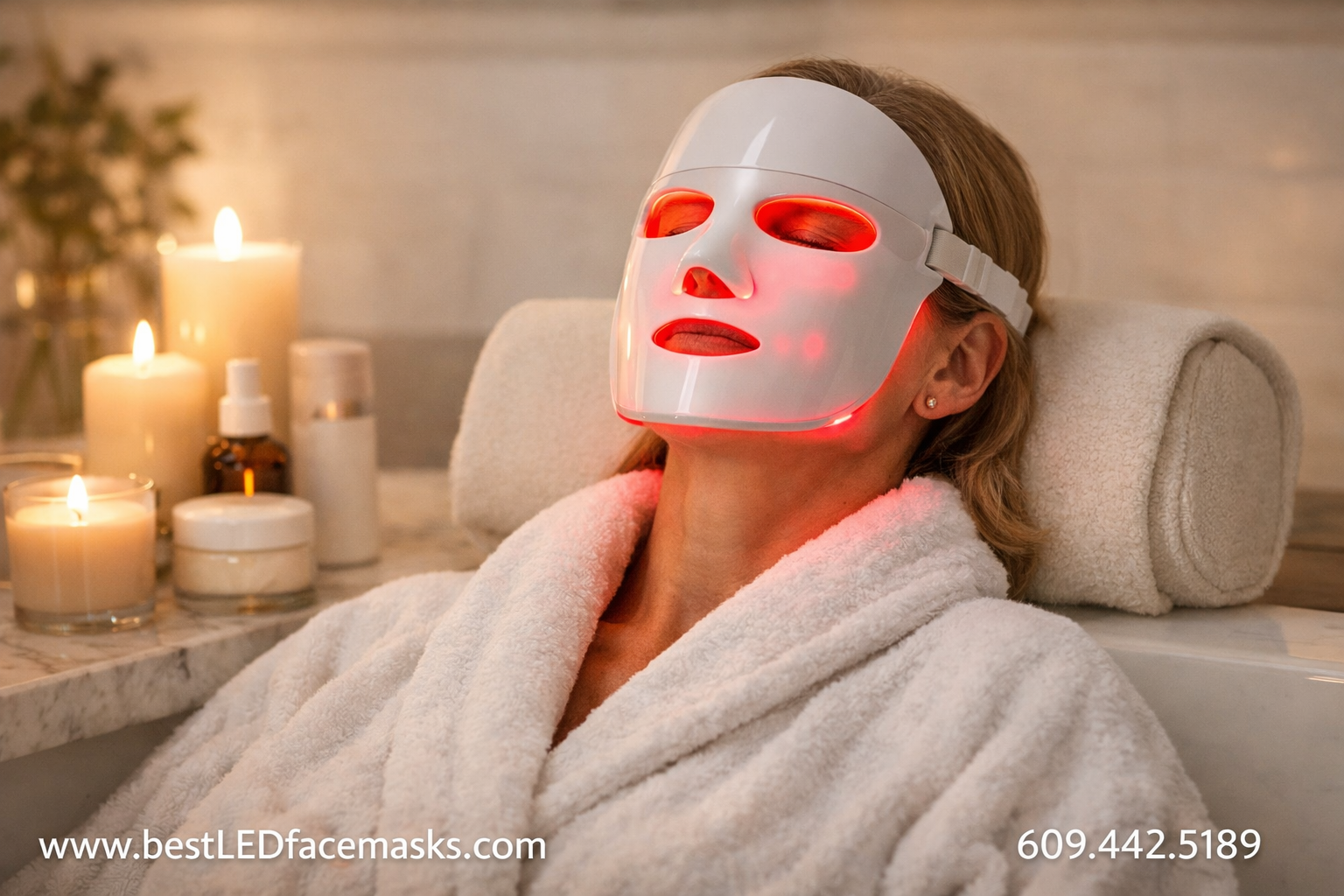
Getting the most from your mask is straightforward, but a few technique details make a real difference.
Step-by-step routine:
- Cleanse your face thoroughly and pat dry. Remove all makeup, SPF, and heavy serums.
- Put on eye protection (goggles or keep eyes firmly closed).
- Put on the mask and adjust for a snug, even fit against your skin.
- Set the timer for 10–20 minutes, depending on your mask's recommended protocol.
- Relax and stay still. Movement reduces contact time and light delivery.
- After the session, apply your serums and moisturizer. This is the ideal time for hyaluronic acid or peptide serums — the light increases skin permeability temporarily, improving absorption.
- Frequency: Start with 3 sessions per week for the first month, then increase to 5 sessions per week for ongoing maintenance.
Pro tip: Pair your LED sessions with a collagen-supporting diet rich in vitamin C, zinc, and protein. These nutrients are the raw materials your fibroblasts use to build new collagen after the light therapy triggers the process.
What not to do:
- Don't use the mask over active sunburn or broken skin
- Don't skip the eye protection, even for "just a minute"
- Don't expect overnight results — collagen remodeling takes weeks
- Don't use the mask with photosensitizing topicals applied immediately before
For more information on available devices and to buy an LED face mask that fits your needs, visit BestLEDFaceMasks.com.
FAQ: What Is the Best LED Face Mask for Anti-Aging?
Q: How long does it take to see results from an LED anti-aging mask?
Most users notice improved hydration and glow within 1–2 weeks. Meaningful wrinkle reduction and firmer skin typically appear after 8–12 weeks of consistent use (3–5 sessions per week).
Q: Can I use an LED face mask every day?
Yes, daily use is generally safe. Most protocols recommend 3–5 sessions per week for best results. Daily use won't harm your skin, but it won't dramatically speed up results either — collagen remodeling has a biological pace.
Q: Is the Renu-Gen FDA-cleared?
For the most current regulatory status of the Renu-Gen device, check the product page at BestLEDFaceMasks.com or contact their team directly through the contact page.
Q: What's the difference between a red light therapy face mask and a regular LED mask?
A red light therapy face mask specifically targets the 630–660nm red wavelength proven for collagen stimulation. Many LED masks include multiple colors (blue, green, yellow). For anti-aging, red and near-infrared are the most important wavelengths.
Q: Can LED masks help with deep wrinkles, or only fine lines?
LED therapy works best on fine to moderate lines. Deep, established wrinkles (like deep nasolabial folds) will see some improvement, but they won't disappear entirely. Combining LED therapy with professional treatments like microneedling or retinoids produces better results for deep wrinkles.
Q: Are cheap LED masks worth buying?
Generally, no. Budget masks (under $50) often use inaccurate wavelengths, low diode counts, and insufficient irradiance. The light may look impressive visually but deliver little therapeutic benefit. Invest in a quality device with verified specs.
Q: Does skin tone affect LED mask results?
No. Red and near-infrared light work across all skin tones because the target is the dermis, not melanin. People with darker skin tones can use LED masks safely and effectively.
Q: How is the Renu-Gen different from other best-selling LED masks?
The Renu-Gen is the only consumer mask that combines LED and laser diode technology. This dual approach delivers both surface-level and deep-tissue collagen stimulation in a single session, which no LED-only mask can match. See the full comparison of Renu-Gen vs. other LED masks for a detailed breakdown.
Q: What wavelength is best for anti-aging?
Red light at 660nm targets surface collagen production. Near-infrared at 850nm penetrates deeper for elastin and structural collagen. The combination of both wavelengths produces the best anti-aging outcomes.
Q: Is LED light therapy a permanent solution for aging skin?
No skincare treatment reverses aging permanently. LED therapy slows the visible signs of aging and stimulates ongoing collagen production, but maintenance sessions are needed to sustain results. Think of it like exercise — consistent effort produces lasting benefits.
Conclusion: Your Next Steps for Younger-Looking Skin
If you've been asking yourself what is the best LED face mask for anti-aging, the answer in 2026 is clear: the Renu-Gen LED Face Mask stands above every competitor because of its unique combination of LED and laser diode technology. It's the only at-home device that penetrates all layers of the epidermis to stimulate collagen and elastin production where it counts most.
Here's what to do next:
- Visit BestLEDFaceMasks.com to explore the Renu-Gen and see current pricing and availability.
- Read the comparison guide at Renu-Gen vs. The Rest to understand exactly why the dual LED + laser approach outperforms standard masks.
- Check the return policy at BestLEDFaceMasks.com/return-policy so you can purchase with confidence.
- Commit to a consistent routine: 3–5 sessions per week for at least 8 weeks before evaluating your results.
- Support your results with a collagen-friendly diet, daily SPF, and a simple skincare routine that includes a peptide or hyaluronic acid serum.
Anti-aging skincare doesn't have to mean expensive clinic visits or invasive procedures. With the right LED face mask and a consistent routine, real, visible results are achievable from your own home.
References
- Wunsch, A., & Matuschka, K. (2014). A controlled trial to determine the efficacy of red and near-infrared light treatment in patient satisfaction, reduction of fine lines, wrinkles, skin roughness, and intradermal collagen density increase. Photomedicine and Laser Surgery, 32(2), 93–100. https://doi.org/10.1089/pho.2013.3616
- Avci, P., Gupta, A., Sadasivam, M., Vecchio, D., Pam, Z., Pam, N., & Hamblin, M. R. (2013). Low-level laser (light) therapy (LLLT) in skin: Stimulating, healing, restoring. Seminars in Cutaneous Medicine and Surgery, 32(1), 41–52.
- Hamblin, M. R. (2017). Mechanisms and mitochondrial redox signaling in photobiomodulation. Photochemistry and Photobiology, 94(2), 199–212. https://doi.org/10.1111/php.12864
Tags: LED face mask, anti-aging LED mask, red light therapy mask, Renu-Gen LED mask, best LED face mask for anti-aging, collagen production, wrinkle reduction, photobiomodulation, near-infrared light therapy, at-home LED treatment, skin rejuvenation, red light therapy face mask